Independent comparisons. We may earn from shop links. More info

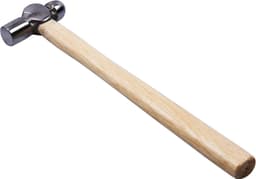
How to use an engineer's hammer

Updated: 23 October 2026

You have the hammer in one hand and a punch or a cold chisel in the other, and the next blow will throw a chip if the face meets the steel at an angle. How to use an engineer's hammer is a check, a flat face, impact eye protection, and a stop when the head moves or the face mushrooms. This page does not rank the seven listings. Prices and pein names stay on the [engineer's hammer comparison](/hub/hand-tools/engineers-hammer). Peter F. used UK safety guidance and listing notes captured on 19 October 2026. Vibration was not measured. A qualifying purchase can earn a commission at no extra cost to you.

You have the hammer in one hand and a punch or a cold chisel in the other, and the next blow will throw a chip if the face meets the steel at an angle.

Our top picks

On this page

Check the hammer before the first blow

Look at the head before you swing. It should sit tight, the flat face should be free of chips and a mushroomed rim, and the shaft should be free of oil. HSE guidance treats a visual check as enough until something is wrong. PUWER 1998, where the hammer is work equipment, requires that equipment stay suitable. Movement at the eye is a stop, and soaking a wooden handle to swell it is not a repair. Several UK reviews of the Amtech 4 oz hammer say the head was loose, glued, or came off. A cracked or mushroomed head is not a candidate for grinding.

Strike the punch or chisel square

Use the flat face on a punch or a cold chisel. The ball and the cross pein shape metal. They are the wrong end for driving the struck end of a chisel. TTE LISA says the striking face should be at least about 12 mm larger than the tool you hit, and that you should not strike with the cheek. Sealey says to strike squarely and to discard a mushroomed, chipped or loose face. Hold the punch or chisel steady, and bring the flat face down parallel to the struck end. A glancing blow throws the chip sideways. A claw hammer is a poor stand-in, because the claw crowds the swing.

Eyes, hands, and the work area

Wear impact eye protection when you strike metal. The Health and Safety Executive treats flying particles as an eye hazard. At work, the PPE at Work Regulations 1992 require suitable PPE where nothing else controls the risk, and new PPE on the GB market generally needs UKCA or CE marking. At home the chip is the same piece of steel. None of the seven listings is described as non-sparking. If the air around you can ignite, stop. A fewer-vibrations bullet is not a measurement.

When to stop

Stop when the head moves, when the face mushrooms, chips or cracks, and when the job has left ordinary bench work. Sealey says not to refurbish a mushroomed face. TTE LISA says not to redress the head. Grinding the rim thins whatever hardening the seller claimed. A wooden shaft can be re-wedged only when the head itself is sound. Hand the job on when the rivet is structural, the part holds pressure, or the metal is hot and you do not already run that process. A flammable atmosphere is a stop.

Common questions

Which face do I use on a punch or cold chisel?
Use the flat face, held parallel to the end you are striking. The ball pein and the cross pein are for shaping, not for driving the chisel. TTE LISA's safe-use sheet asks for a striking face at least about 12 mm larger than the tool head, and for a blow that does not use the cheek. If your hammer face is smaller than the chisel head, change one of them before you change your swing.
How do I keep the blow square?
Set the punch or chisel so it cannot wander, then bring the flat face down in line with the struck end. A short blow that lands flat beats a long swing that clips the edge. Sealey's instructions say to strike squarely and to discard the hammer if the face is already mushroomed. If UK reviews are right that some larger Amazon Basics heads sit at an angle, sort that before you chase a square blow.
Do I need eye protection at home, or only at work?
You need impact eye protection in both places. At work, the PPE at Work Regulations 1992 require suitable PPE where other controls do not remove the risk from flying particles, and new PPE on the GB market generally carries UKCA or CE marking. HSE describes those particles as an eye hazard. At home, put the same impact glasses on before the first blow. Only the Amazon Basics bullets tell you to wear safety goggles.
What if the head shifts on the handle?
Stop. A head that moves is out of use until it is tight again or the hammer is replaced. Do not soak the wood and carry on. A sound wooden head can be re-wedged on a dry shaft with a dry wedge. Fibreglass and a one-piece steel hammer have no wedge to add. Several UK reviews of the about £4.95 Amtech describe a head that was loose, glued, or off the handle.
Can I grind a mushroomed face back into shape?
Leave the face alone and retire the hammer. Sealey says not to refurbish a mushroomed, chipped or loose face, and TTE LISA says not to redress the head. Grinding the rim changes whatever hardening the seller claimed. The WEDO bullets claim 50–58 HRC at the face. That number is untested here. A dent, a crack or a mushroom is the end of that hammer.
Is a claw hammer acceptable for a cold chisel?
A claw hammer is a poor tool for a cold chisel. The face is meant to start and draw nails, the claw crowds the swing, and a glancing blow is how chips leave the bench. An engineer's hammer puts a flat face on that end. If you only own a claw, get a metalwork hammer in a head weight you can control rather than forcing the claw to do the strike.

Related pages

Sources

Sources for this comparison, last checked on 19 October 2026.

  1. Screwfix hammer buying guide (retrieved 19 October 2026)
  2. DT Online, ball pein hammer (retrieved 19 October 2026)
  3. Tooled-Up engineers' hammers (retrieved 19 October 2026)
  4. BS 876:1995, hand hammers including engineers' ball pein and cross pein (retrieved 19 October 2026)
  5. HSE PPE overview (retrieved 19 October 2026)
  6. HSE work equipment inspection (retrieved 19 October 2026)
  7. Hultafors, how to re-handle hammers (retrieved 19 October 2026)
  8. Cromwell hammer wedges (retrieved 19 October 2026)