Independent comparisons. We may earn from shop links. More info

How to use a Weber gas barbecue safely

Updated: 16.10.2026

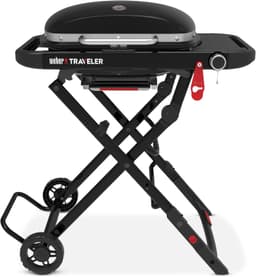
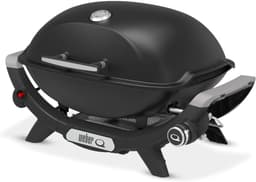
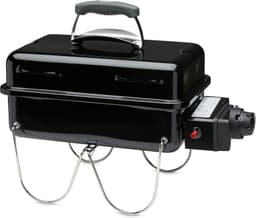
For a first cook, check the outdoor location and gas connection, open the lid, light the burner, then preheat with the lid closed. This guide explains how to use a Weber gas barbecue from the single-burner models in our [main comparison](/hub/grills-and-barbecues/weber-gas-barbecue). Your exact manual remains the authority. These steps follow Weber’s UK guidance and add UK food-safety advice. Multi-burner indirect methods do not apply to a one-burner Q, Traveler or Go-Anywhere. This page is from the Products Compared editorial team. It is not a laboratory cook.

For a first cook, check the outdoor location and gas connection, open the lid, light the burner, then preheat with the lid closed.

Our top picks

On this page

Before you light the burner

Use the barbecue outdoors in a well-ventilated position, away from doors, open windows, combustible surfaces and busy routes. LPG is flammable and heavier than air, so escaping gas can collect in low or enclosed places. A garage, shed, tent or enclosed balcony is not made safe by opening one door. Place the grill on a level, stable surface and keep the lid able to open fully. Check your lease, building rules and local fire guidance before using any flame on a balcony. A compact grill can fit physically while still being prohibited. Our UK balcony guide explains why permission comes before product size. Inspect the hose, regulator, cartridge seal and connector for visible damage or contamination. Use only the fuel type and connection approved in the manual for your exact model. Do not force mismatched threads, improvise an adapter or alter a regulator. If you are uncertain, stop and use the gas bottle or cartridge guide before attaching anything.

Lighting the barbecue in the right order

Start with the lid open so unburned gas does not accumulate inside the cookbox. Confirm that the burner control is off, connect and open the approved fuel supply as the manual describes, then turn the single burner to its lighting or high position. Operate the push-button, electronic or twist-knob igniter fitted to your model and look for a stable flame. If the burner does not ignite promptly, turn the control and gas supply off. Do not keep clicking while gas continues to flow. Leave the lid open and allow the gas to disperse before the manual’s retry sequence. The Q1000/Q1200 owner-guide pattern says to wait five minutes before relighting after a burner goes out. Use that as the minimum where it applies to your model. If you smell gas strongly, hear a leak or see a damaged hose, do not attempt another ignition. Turn off the supply only if safe, move people away and seek competent help. Never test for a leak with a naked flame. On a single-burner model there is no second burner to compensate, so confirm the flame rather than relying only on the sound of the igniter.

Preheating and cooking with the lid

Once the burner is visibly lit, close the lid for preheating. Weber’s support guidance gives a typical preheat of 10–15 minutes, with the lid closed, for the relevant gas-barbecue pattern. Follow your model manual if it specifies a different procedure. Weather, fuel pressure and model output affect the time, so do not treat one minute figure as universal. Brush the hot grate, then adjust the burner for the food. Keep the lid closed for most cooking because it retains heat. The thermometer shows air temperature near the lid. It does not tell you whether the centre of the food is safe. These grills have one burner, so they cannot produce a true hot zone and cool zone by turning off burners on one side. You can vary burner level and food position, but the whole grate remains above the same heat source. For foods prone to burning, use moderate heat and follow the model manual rather than inventing an indirect setup.

Check UK food temperatures, not only colour

The UK Food Standards Agency advises cooking food until it reaches 70°C for two minutes, or an equivalent time-and-temperature combination. Check the thickest part with a clean food thermometer, avoiding bone and the hot grate. This matters for poultry, sausages, burgers and kebabs, where harmful bacteria may be mixed through the food rather than remaining on the surface. Do not use the lid gauge as a meat probe. A high cookbox reading says nothing conclusive about the centre of a chicken thigh. Clean the probe between raw and cooked checks, and test more than one piece if thicknesses differ. Keep raw and cooked utensils separate, and place finished food on a clean plate rather than the tray that held it raw.

Clean down and store after cooking

When food is removed, follow your manual’s burn-off and shutdown instructions. Turn the burner control off and close the gas supply in the stated order. Let the barbecue cool fully before touching the grease tray, folding legs, lowering a cart or fitting a cover. A Traveler lid lock is for transport after cooling, not for trapping heat immediately after cooking. Empty and clean the grease tray regularly. Built-up fat attracts pests, smells and can ignite during the next cook. Brush the grates as directed, but inspect wire brushes for loose bristles and replace damaged tools. Do not flood burner ports or ignition components. Store cartridges and cylinders according to the manufacturer’s instructions and your building rules. Do not change a cartridge in an enclosed space or beside another ignition source. Our buying guide identifies listings with clear and unclear fuel information.

Common questions

Should the lid be open or closed when lighting?
Open the lid before releasing gas and during ignition so unburned gas cannot collect in the cookbox. After you have confirmed a stable flame, close it to preheat. If ignition fails, turn the controls off, keep the lid open and follow the manual’s waiting period before retrying.
How long should I preheat a Weber Q?
Weber guidance for the relevant Q pattern gives 10–15 minutes with the lid closed. Your exact manual takes priority, and cold weather, wind and fuel pressure can change warm-up. Use the range as a guide, not a guarantee for every model.
Can I cook with the lid open?
You can open the lid to turn or check food, but Weber gas grills are generally designed to retain heat with it closed. Constant open-lid cooking slows recovery and makes results less predictable. Never close the lid until the burner has ignited successfully.
What if the burner goes out?
Turn the burner and fuel supply off, open the lid and let gas disperse. The relevant owner-guide pattern uses a five-minute wait before relighting. If the flame repeatedly fails or you smell gas, stop using the barbecue and seek competent help.
Can I use indirect cooking on a one-burner Weber?
Not in the same way as a multi-burner barbecue, where one side can be switched off. A single burner cannot create a true unheated zone. Use recipes and methods intended for your model, or choose a multi-burner appliance if independent zones are essential.
When is the food safe?
For foods such as burgers, sausages and poultry, use a clean food probe in the thickest part. The FSA’s standard reference is 70°C for two minutes or an equivalent combination. A lid thermometer measures the cooking chamber, not the centre of the food.

Related pages

Sources

Listing prices, stars and review counts are from amazon.co.uk on 15 October 2026. The public sources below cover LPG, the gas-safety regulations, outdoor barbecue standards and cooking temperatures.

  1. HSE: About LPG (retrieved 15 October 2026)
  2. Gas Safety (Installation and Use) Regulations 1998, regulation 2 (retrieved 15 October 2026)
  3. Gas Safety (Installation and Use) Regulations 1998, regulation 26 (retrieved 15 October 2026)
  4. BSI: BS EN 498:2012, outdoor LPG barbecues (retrieved 15 October 2026)
  5. Food Standards Agency: Cooking your food (retrieved 15 October 2026)
  6. GOV.UK: UKCA and CE in Great Britain (retrieved 15 October 2026)
  7. amazon.co.uk listings for the eight Weber gas barbecues (retrieved 15 October 2026)