Independent comparisons. We may earn from shop links. More info

Lumpwood vs briquettes UK

Updated: 22 October 2026

You are choosing a fuel bed for a kettle sear, a long indirect cook, or a pizza oven, and the shelf mixes lumpwood, briquettes, and instant-light as if they were one sack. They are not. Lumpwood vs briquettes UK, here, is that trade-off in garden-cooking terms. The [charcoal comparison](/hub/grill-accessories/charcoal) holds lumpwood sacks and instant-light bags only, with no briquette in that six-bag table. Peter F. used Weber’s own fuel notes and the amazon.co.uk listings in this set. This page does not re-score those bags, and it is not a lab burn.

You are choosing a fuel bed for a kettle sear, a long indirect cook, or a pizza oven, and the shelf mixes lumpwood, briquettes, and instant-light as if they were one sack. They are not.

Our top picks

On this page

What lumpwood and briquettes are

Lumpwood is charred wood in irregular shapes. Air gaps between the pieces drive fast heat, and the fire moves as the lumps collapse, which suits direct grilling and short bursts of high temperature. Briquettes are ground charcoal pressed with binders into uniform pillows. They pack tighter, burn more evenly, and often suit a longer cook where you do not want the grate to swing every time a lump falls in. Weber’s comparison, for Weber’s own fuels and not these amazon.co.uk bags, describes lump as faster and hotter with a shorter window, and briquettes as steadier with a longer burn at moderate heat. Cookery sources use the same split. Neither source replaces the bag you actually buy. Instant-light bags in this folder are a third path: small treated lump-style bags for corner lighting, not briquettes. Do not call them additive-free. That path is on instant light charcoal.

When cooks pick each fuel

For a quick direct sear on a kettle, sack lumpwood such as Big K CH10 or the Homefire 12 kg row is the default in UK reviews when people want high heat for burgers and sausages. Expect to manage hot spots as pieces break down. For a longer indirect session, briquettes are the shape that holds an even bed. Buy them from the barbecue briquettes comparison. Coconut-shell briquettes are a separate comparison in this hub. Do not expect a briquette row in the lumpwood table. On a pizza oven or a kamado with a narrow mouth, lump size matters more than the word restaurant on the sack. Reviews for Chilla-Grilla and Homefire mention large pieces when the bag cooperates, and dust still arrives often enough that you should plan to sort. Many pizza guides assume lump for peak heat. Check the oven maker before you switch to briquettes. Camping, or one meal, is a different fork. A 1 kg instant-light bag trades a higher price per kilogram for speed. That is treated convenience against sack economy, not lump against briquette. The order of those checks is on the charcoal buying guide. Some cooks start with lump for heat and add briquettes for stability. That is experience, not a rule from this set. If you try it, light outdoors and skip petrol. Lump ash collapses into irregular shapes. A briquette bed often crumbles flatter. Neither belongs in a hot household bin. A dusty lump sack is a quality problem before it is a chemistry debate. Fat dripping onto glowing fuel makes flavour smoke. Lump’s open bed flares when fat hits it. Briquettes can smoulder more steadily. A dirty grate swamps that difference on an ordinary weeknight.
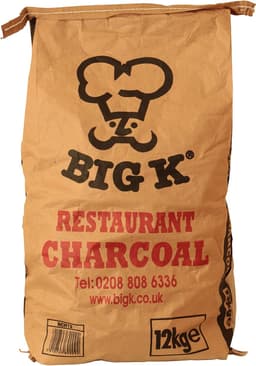
Big K Big K lumpwood (10 kg)

Testsieger

Big K Big K lumpwood (10 kg)
9.1/10about £12.40

Where instant-light fits

Instant-light is not a briquette, and it is not the same as additive-free sack lumpwood. It is treated fuel in small bags, listed on the main charcoal page as IL04, IL04C, and MOSKILA. Use it when portability beats cost per kilogram. Use sack lumpwood when you chimney-light regularly. Use briquettes from their own category when you want a binder-formed steady burn. Calling a treated corner bag a natural briquette does not change the pieces in it. The additive line on the listing is the line that counts.

Where briquettes sit on this site

This charcoal folder answers which lumpwood or instant-light bag is on amazon.co.uk in the set. Binder claims and coconut alternatives sit with the briquette comparisons, not in these six rows. When you have already chosen lumpwood, the best-charcoal page maps those sacks and bags to jobs without pretending one of them beats every briquette in the country. If you are still undecided after both tables, buy one small amount of each form for the same style of cook and note which bed was easier to manage on your grill. That tells you more than a headline about a single best fuel.

Which shape for which cook

If you want a hot, shorter sear on a kettle, use sack lumpwood from this comparison and watch the hot spots. If you want hours of steadier indirect heat, buy briquettes from the briquette comparison, because none of these six bags is that fuel. If you want a 1 kg bag you can light at the corner, that is instant-light, and it is treated. The three choices are not three labels for one sack.

Common questions

Which fuel is better for a quick sear?
Sack lumpwood in the charcoal comparison is the usual choice for a quick sear. Briquettes can reach cooking heat, but they often take longer to give the same snap at the grate. Manage the hot spots as the lumps collapse. This set does not include a briquette to time against them.
Which fuel is better for a long indirect cook?
Briquettes, from the briquette categories in this hub, are the usual choice for a long even bed. Instant-light bags here are a poor first choice for hours of steady heat. Sack lumpwood can cover a moderate indirect cook if you manage the air, and it still finishes sooner than a dense briquette bed in Weber’s own fuel notes.
Do briquettes contain binders?
Pressed briquettes use binders. Lumpwood sacks in this charcoal table are irregular wood pieces. Instant-light bags in the same table are treated lump-style pieces, not pillows. Read the additive line on the exact listing. A no-additives line on CH10 does not transfer to a briquette you buy elsewhere.
Is lumpwood always additive-free?
Lumpwood is wood charcoal in irregular pieces. That shape is not the same as an additive-free claim. Instant-light lump bags in this set are treated. CH10 states no additives. Chilla-Grilla is described as treated. Read the additive field on the listing you are paying for.
Are instant-light bags lumpwood or briquettes?
In this set they are lump-style pieces in treated bags, not pressed briquettes. You light them from a corner. They cost more per kilogram than a 10 kg lumpwood sack, and they are a poor match for a long indirect cook. Do not file them under briquettes because the bag is small.
Can I mix lumpwood and briquettes?
Some cooks do, starting with lump for heat and adding briquettes for a steadier bed. That is practice, not a result from this set. Light the mix outdoors, keep petrol and lighter fluid off it, and manage the vents on a kettle as the lumps collapse around the pillows.
Which produces less ash?
It varies by brand and by how long you cook. Weber’s comparison discusses the character of its own lumpwood and briquettes, not the ash weight of these six ASINs. Lump tends to leave irregular pieces. Briquettes often crumble into a flatter layer. Cool either on bare soil, not in a hot bin.
Where do I buy briquettes in this hub?
Use the barbecue briquettes comparison for standard pressed fuels. Coconut-shell briquettes have their own comparison in the same hub. The charcoal table on this site will not grow a briquette row. Come back to lumpwood or instant-light only after you have chosen that shape.

Related pages

Sources

Public UK sources used for this comparison. Listing prices, stars and review counts are the amazon.co.uk figures for these ASINs. Retrieved 21 October 2026.

  1. GOV.UK: smoke control area rules (retrieved 21 October 2026)
  2. GOV.UK: smoke control enforcement in England (retrieved 21 October 2026)
  3. Defra: authorised fuels in England (retrieved 21 October 2026)
  4. NHS: carbon monoxide poisoning (retrieved 21 October 2026)
  5. London Fire Brigade: barbecue safety leaflet, April 2024 (retrieved 21 October 2026)
  6. GOV.UK: fire safety outdoors (retrieved 21 October 2026)
  7. Weber: lumpwood and briquettes (retrieved 21 October 2026)
  8. Globaltic: what restaurant grade charcoal means (retrieved 21 October 2026)