Barbecue ash disposal: when it is safe to move

Learn when barbecue ash is truly cold, why grey coals can still be dangerous, and how to dispose of them without setting fire to a wheelie bin outdoors.
On this page
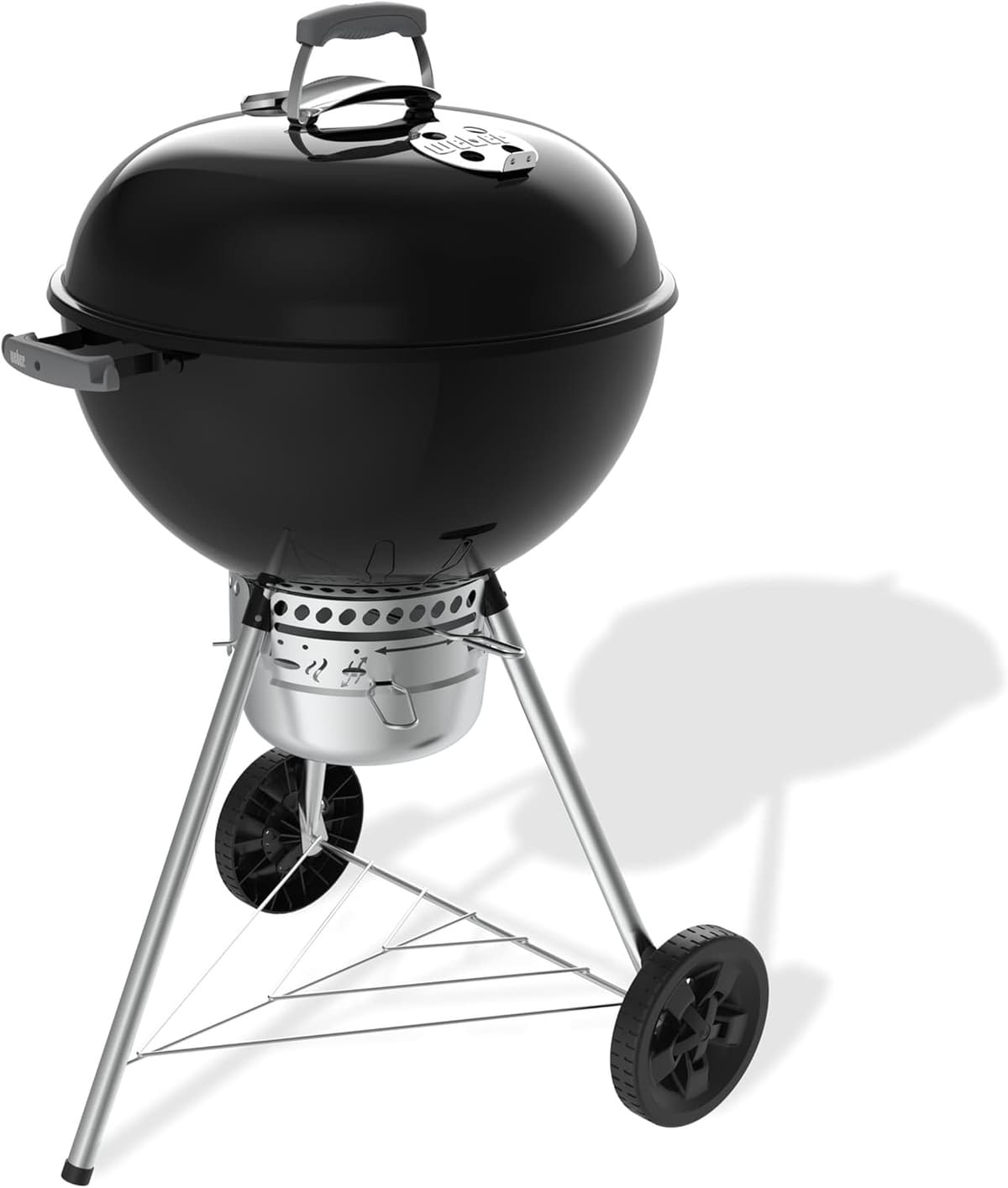
The flames have gone, the food is indoors and the ash looks grey, but that does not mean barbecue ash disposal can start. A buried ember may still be hot enough to burn skin, melt a plastic wheelie bin or ignite rubbish long after cooking ends. The safe decision is based on the whole barbecue being cold outdoors, not on the colour of the ash or a fixed number of minutes.
In short
Leave charcoal, ash and the barbecue outside until the fuel bed, ash catcher and grill body are completely cold. Do not carry cooling coals indoors, and do not put warm ash into a dustbin or wheelie bin. GOV.UK advises emptying cool ash onto bare garden soil instead.
Grey ash is not cold ash
Grey is a sign that charcoal has burned, not a measurement of its temperature. A fine layer of ash insulates the material underneath, so the top can look lifeless while a dense lump or pocket lower down stays hot. Judging by sight alone is a poor basis for moving an ash pan.
The absence of flames is equally misleading. Charcoal is designed to hold heat and can continue to smoulder with little visible activity. Wind may then uncover or feed a concealed ember, particularly if you stir the pile or lift a lid. Treat every part of the fuel bed as potentially hot until the grill has had time to cool and checks show otherwise.
There is no honest clock time that covers every barbecue. A shallow disposable tray, an open stainless-steel pedestal barbecue and a deep lidded kettle hold different amounts of fuel and lose heat at different rates. Weather, airflow and remaining fuel all change the result. A wait of 30 minutes, or even two hours, can offer false reassurance. If you are not certain every component is cold, leave it. Keep a cooling barbecue stable and out of reach of children and pets.
How to check before you move anything
Start without touching the ash. Look for smoke, a red glow or heat shimmer, and notice whether the barbecue body is still radiating warmth when you stand near it. Check the lid handle, bowl, legs and ash catcher cautiously, because the ash itself is not the only hot part. A metal pan can retain enough heat to burn you even when the top layer seems settled.
Do not plunge a bare hand into the ash. After a long cool, and only if the design allows it, use a long metal tool to expose deeper material and keep your face away from dust. Stirring may reveal an ember or let more oxygen in, so no obvious glow is not permission to move it. Let the opened-out ash cool further, then check again.
- Stop adding fuel and leave the barbecue in its normal outdoor position.
- Keep people and combustible objects away, and follow the manufacturer's shutdown instructions.
- Wait until smoke and visible glow have stopped and the body, lid and ash collector give off no heat.
- Expose deeper material only without lifting, tipping or bringing the barbecue closer.
- After any stirring, wait again, then confirm the full depth and the surrounding metal are cold.
- Move only fully cold residue, in a container suited to the disposal route you have chosen.
This is a cold-state test, not a promise that one touch proves safety. Thick gloves reduce contact burns but do not make hot ash safe for a bin. If darkness, poor access or the barbecue's construction prevents a confident check, wait until daylight and leave the job for the next day.
Keep cooling charcoal outside
Cooling charcoal belongs outside in open air. London Fire Brigade warns that smouldering ash can still produce carbon monoxide, a gas you cannot see, smell or taste. Do not move a barbecue into a home, tent, caravan, garage, shed or conservatory to finish cooling. Charcoal barbecues and carbon monoxide explains why that gas continues after the flames have gone.
Removable ash pans and disposable barbecues follow the same rule. Carrying the tray indoors does not change what the fuel is doing. In one London incident, people became unwell after outdoor coals were brought inside to cool. Finished cooking is not the same as chemically inactive.
Keep the grill on a firm, level, non-combustible surface, away from fences, dry vegetation, furniture and stored fuel. Do not put a hot disposable barbecue on grass, decking or a table, and watch it if wind could scatter ash or tip a light tray. Closing vents may be part of shutdown for a lidded Weber charcoal barbecue. Follow your model's instructions. Less oxygen can help extinguish charcoal. It does not mean the coals are cold.
Where cold barbecue ash can go
GOV.UK outdoor fire-safety guidance says to cool a barbecue before moving it and to empty ashes onto bare garden soil rather than into a dustbin or wheelie bin. The important words are cool and bare. Neither warm ash nor dry grass is suitable. Choose ground free from vegetation, roots, leaf litter and anything else that could catch fire.
That advice is about preventing fire, not improving your garden. Do not spread barbecue ash across a lawn, vegetable bed or compost heap on the assumption that it is beneficial. Charcoal briquettes may contain binders or additives, and the ash can also contain grease and food residue. Soil chemistry, plant sensitivity and the product burned all matter, so this article does not claim barbecue ash is a fertiliser.
If bare soil is unavailable, follow your council's instructions for fully cold ash. Those routes still do not accept hot material. Where residual waste is allowed, contain the dust as directed. Never use a plastic bin as a cooling vessel. Paper and cardboard inside can catch from an ember, and the shell can melt. The fire can then spread to a fence, shed, vehicle or home.
Why water is not a complete solution
Water can suppress heat, but a wet surface does not prove that the centre of every charcoal piece is cold. Water may run around compacted ash, miss sheltered pockets or produce steam when it meets hot material. Pouring it abruptly can throw ash into the air or splash dirty, hot liquid, so it is not a shortcut to immediate handling.
Follow the barbecue manufacturer's extinguishing instructions. Some designs may permit careful use of water, while others rely on closing vents and letting the fuel burn out. Disposable barbecue guidance may differ again. Whatever method applies, keep the unit outdoors and complete the same cold checks before you move or discard it.
Wet ash mixed with rainwater forms a paste that holds moisture against metal and can encourage corrosion or block airflow. Weber UK advises clearing ash before it becomes wet, often the next day, but next day is a habit, not a guarantee. Check that it is cold first. If rain arrives while the barbecue is warm, do not carry it into an enclosed space. A ventilated outdoor shelter is suitable only if it keeps the manufacturer's clearances. Otherwise, safety comes before a dry bowl.
When it is already a fire
A hot, smoking or melting wheelie bin is no longer a disposal question. Move away, keep children and neighbours clear, and call 999 if there is a fire or an immediate danger of one developing. Tell the operator that barbecue ash or charcoal was placed inside, and follow the fire service's instructions.
Do not open the lid to inspect the contents, reach in for the coals or drag a burning bin through a building. Opening it may admit oxygen, and moving it may spread molten plastic or burning rubbish. Only move nearby objects if there is a clear, safe route and you can do so without approaching smoke or flames.
If anyone develops headache, dizziness, nausea, confusion, weakness or breathing difficulty after charcoal was cooled in an enclosed area, get everyone into fresh air and call 999. Do not re-enter. Barbecue ash is safe to move only when the ash, concealed charcoal, container and barbecue are all completely cold.
Common questions
Can grey barbecue ash still be hot?
Why should hot ash not go in a wheelie bin?
Can I tip barbecue ash onto the lawn?
Can I bring a cooling ash pan into the kitchen?
How do I know barbecue ash is cold?
Can charcoal ash go in garden compost?
What should I do if my wheelie bin is hot or melting?
Does rain make warm ash safe?

Products Compared publishes British-English buying guides based on amazon.co.uk listings and public UK sources. We do not run a lab and we do not invent test scores.
Related articles

Charcoal barbecues and carbon monoxide
Why a charcoal barbecue can keep producing carbon monoxide after the flames have gone out.

How to clean a charcoal barbecue
A practical approach to cleaning the grate, bowl and ash catcher without rushing hot coals.

How to light charcoal safely
How to get charcoal burning without petrol or other unsafe shortcuts.