Charcoal barbecue carbon monoxide: do not cool it indoors

Charcoal keeps releasing odourless carbon monoxide after the flames die. A tent, garage, awning, caravan or balcony is the wrong place to cool a barbecue.
On this page
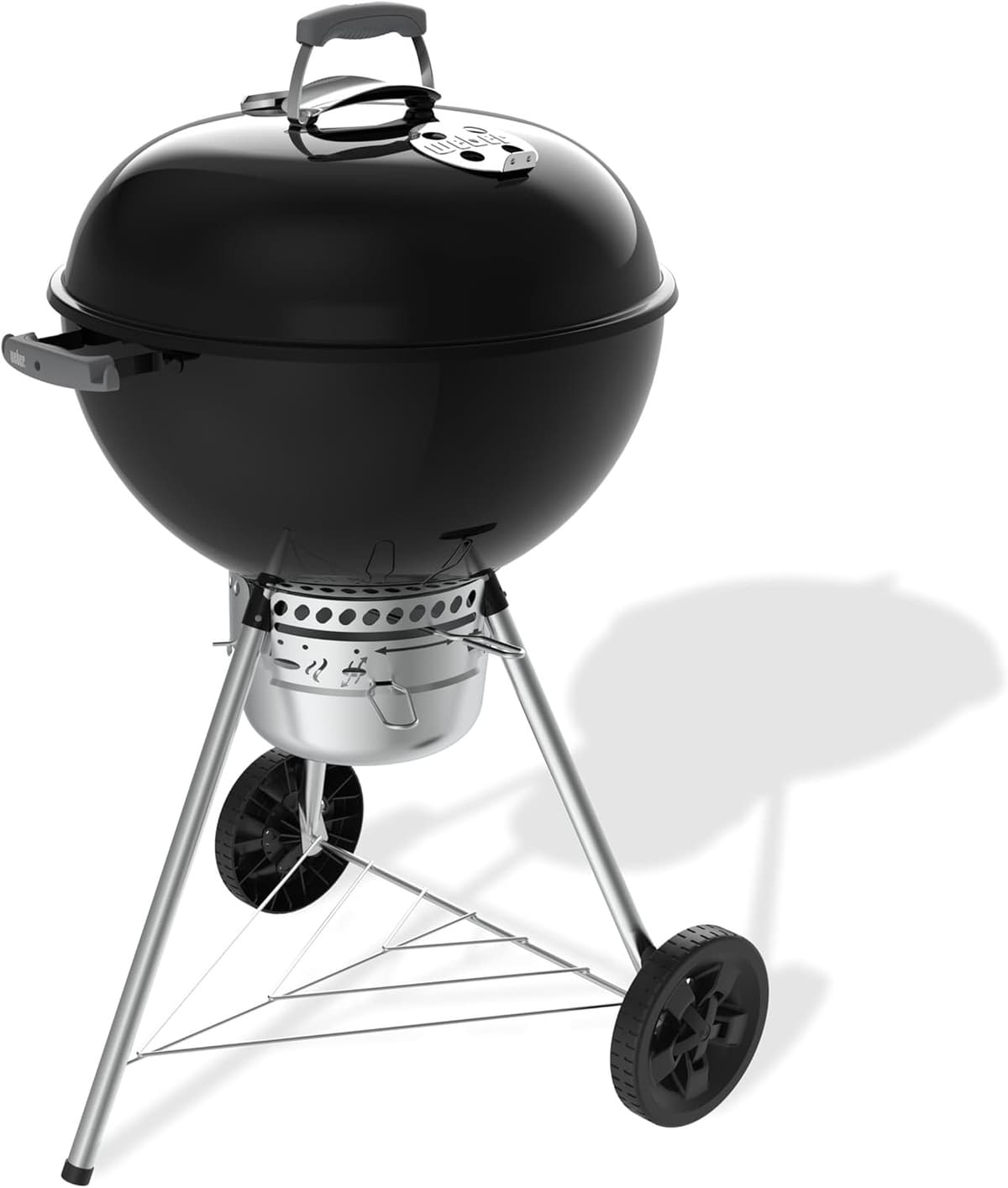
The burgers are done, the flames have gone, and the coals look quiet enough to move. That is when charcoal barbecue carbon monoxide becomes the problem you cannot see. The gas keeps leaving the fuel after the fire looks finished, and you cannot smell it. In September 2023 the London Fire Brigade dealt with a portable barbecue taken into a bathroom in Plaistow to cool. People were taken to hospital with suspected carbon monoxide poisoning.
A quiet grill still has to stay outside to finish cooling. This page follows GOV.UK and UK fire and rescue services, including the London Fire Brigade and Devon and Somerset Fire and Rescue. Nothing here is a lab reading from a meter held over one amazon.co.uk listing.
In short
Leave a charcoal barbecue outside in the open air until the fuel and the metal are cold. A tent, awning, caravan, garage, bathroom or balcony is the wrong place to cook, and the wrong place to cool the coals. A household carbon monoxide alarm does not make a tent acceptable, and fire-service guidance does not offer a short indoor cooling time.
What the gas does after the flames die
Carbon monoxide from a charcoal barbecue is a gas you cannot see or smell, and it continues to come off fuel that is only smouldering. The flame going out is not the end of combustion. Charcoal can sit grey and quiet while it still burns incompletely, and that incomplete burn is what produces the gas. Smoke, and the smell of lighter fluid, will not warn you in its place.
Plaistow is the concrete case. The barbecue was cooling in a bathroom. The London Fire Brigade's point was that the gas has no odour and that smouldering fuel keeps releasing it. A bathroom, a kitchen and a hallway hold air instead of letting the wind take it across a garden. The coals did not have to be flaming for people to need hospital care.
There is no safe indoor interval in that guidance. Ten minutes in a garage, or half an hour in a porch, is still indoors. Warm coals you would not put a hand into are still a source of gas, and they belong in the open air.
Tents, awnings, garages, caravans and balconies
GOV.UK's outdoor fire-safety guidance says never to use a barbecue in a tent, under an awning, or in a caravan. An awning with the door tied open is still an awning. A caravan with a roof vent cracked open is still a caravan. A BBQ in a tent, including the porch with the cool box and the chairs, puts smouldering coals into the same air as the people sleeping there.
Plaistow was a cool-down, so a garage is the same idea in a different building. A garage is indoors with the door shut, and it is indoors when the up-and-over door stands a little way up. A shed, a summerhouse and a covered porch that holds smoke belong with those rooms. If you would not strike the match in that room, leave the hot barbecue outside.
Balconies sit outside the flat and are still out of bounds for a charcoal barbecue. In April 2026 the London Fire Brigade said not to use barbecues indoors, on a balcony, or on decking. A small foil tray and a slim pedestal both fall under that rule. Timber under a hot bowl can burn even in the open. Scottish Fire and Rescue Service publishes its own safer-barbecues guide, so the enclosed-space warning applies across the United Kingdom, not only in England.
Cooling is still burning
Grey ash on the surface can cover darker, hotter pieces, and those pieces are still smouldering coals. You do not need a tall flame, a column of smoke, or a red glow you can see in daylight. A search for carbon monoxide charcoal risks, started because the bowl looks quiet, is the cooling problem the Plaistow warning describes.
Plan that cool-down before you light. The barbecue stays where you cooked: outside, stable, and clear of the shed, the fence, dry planting and anything else that can catch. When the rain arrives, you go in and the grill stays put. Leave the ash in the bowl rather than tipping it into a bucket in the kitchen. Lifting the ash pan out does not switch the fuel off.
On a kettle, the lid keeps rain off a fire that is already outside. How long the coals take depends on how much fuel you lit, how deep the pile is, and whether a pan or a lid is holding heat. The guidance gives no number of minutes. The fuel bed, the pan and the metal should be cold all the way through before you move them or set them beside a wheelie bin.
Headache, dizziness or confusion in anyone who has been near the charcoal means fresh air and a 999 call. Leave the barbecue where it is. Going back into a bathroom, a tent or a garage to fetch it puts another person into the same gas.
A carbon monoxide alarm does not make a tent safe
Devon and Somerset Fire and Rescue say a carbon monoxide alarm is not a reason to barbecue in a tent. The sensor does not thin the gas, drive it through canvas, or change what smouldering charcoal emits. If it sounds, you want fresh air and the emergency services.
Many household alarms are built for a room in a dwelling, with a fixed position, a test routine and an expiry date. A tent zipped at midnight should not contain a charcoal fire. Keep the alarm at home, and replace it when it expires. An alarm on a worktop does not make a garage suitable for a cooling pedestal.
Pedestals, kettles and disposables
The fuel decides the gas, whatever stand you put around it. A stainless-steel pedestal, a lidded kettle and a foil disposable all burn charcoal, and each can keep releasing carbon monoxide while anything in the bowl is still smouldering. Shop rules on disposable barbecues do not clear a reusable bowl for a flat, and they do not clear a disposable for a balcony.
Use the buying pages for the outdoor job only. A stainless-steel pedestal barbecue is an open column for direct heat, which suits burgers, sausages and other food you turn often. A Weber charcoal barbecue adds a lid and vents. That helps with thicker food, and it leaves the gas question untouched while the charcoal is alight or cooling. A Tepro charcoal barbecue is another charcoal format with the same outdoor boundary. Compare them on stability, grate size and how you will empty ash once it is actually cold.
The UK committee's note on BS EN 1860-1:2024 records that the carbon monoxide symbol in that standard was unclear. If the pictogram means nothing to you, read the sentence beside it. A clearer icon would not authorise a garage or a tent. Links to those comparisons can earn a commission if you buy through amazon.co.uk, which does not change the fire-service rule.
When an electric grill is a different product
A standing electric grill does not burn charcoal. There is no smouldering bed giving off carbon monoxide, and no ash pan to carry inside because it looks quiet. Consider one where a solid-fuel flame is banned, or where you have no open-air spot for coals. You lose charcoal flavour. You take on a hot plate, grease, a cable and the weather limits in the instructions.
Mains power does not open every balcony and every tent. A lease, a campsite rule or the manufacturer can still forbid that spot. The supply has to suit the outdoors. A lead from a bedroom socket across a wet step is its own hazard. Choosing electric so that a tent feels acceptable leaves you with a closed space and people in it.
An electric grill fits a permitted place in the open, with a proper outdoor socket, when the meal does not depend on charcoal smoke. Compare standing electric barbecues on heat control, grease collection and a UK 230 V listing with a BS 1363 plug. Buy it for a spot where that grill is allowed. It does not bring a charcoal barbecue indoors when the evening turns wet.
Common questions
Can I finish cooling a charcoal grill in the garage?
Is an awning safe if the door is open?
How long do coals give off carbon monoxide?
Will a household carbon monoxide alarm make a tent safe?
Is a balcony allowed if the grill is small?
Does this apply to a stainless pedestal as well as a disposable?
What symptoms mean I should get fresh air and emergency help?
Are electric grills the alternative where a flame is banned?

Products Compared publishes British-English buying guides based on amazon.co.uk listings and public UK sources. We do not run a lab and we do not invent test scores.
Related articles

When barbecue ash is safe to move
Grey ash can still hide hot coals, damage a wheelie bin, and give off carbon monoxide.

How to light charcoal safely
Get charcoal ready without petrol, and know when the coals are actually fit to cook on.

Electric barbecue vs charcoal: choose the right format
A kettle, an open pedestal and a plug-in grill solve different jobs, including sites that ban flames.