Fine surface filler vs multi-purpose filler
Two white tubs look the same, and the mark in the plaster is either a hairline or a picture-hook nick. Fine surface filler vs multi-purpose filler is that choice. Fine paste feathers a hairline. Multi-purpose paste takes a nick up to about 10 mm, still in layers. In this set that is Palace 68-4 against the Polycell tube and Palace ready mixed 68-1. Pack size and the wider indoor or outdoor order are the [wall filler buying guide](/hub/fillers-adhesives-and-sprays/surface-filler/sub/surface-filler-buying-guide). The listings are on the [surface filler comparison](/hub/fillers-adhesives-and-sprays/surface-filler). Prices are from 15 October 2026, not a live re-check. The Products Compared editorial team did not run a lab test.
Two white tubs look the same, and the mark in the plaster is either a hairline or a picture-hook nick. Fine surface filler vs multi-purpose filler is that choice. Fine paste feathers a hairline.
Two white tubs look the same, and the mark in the plaster is either a hairline or a picture-hook nick. Fine surface filler vs multi-purpose filler is that choice. Fine paste feathers a hairline. Multi-purpose paste takes a nick up to about 10 mm, still in layers. In this set that is Palace 68-4 against the Polycell tube and Palace ready mixed 68-1. Pack size and the wider indoor or outdoor order are the wall filler buying guide. The listings are on the surface filler comparison. Prices are from 15 October 2026, not a live re-check. The Products Compared editorial team did not run a lab test.
Our top picks
| Badge | Product | Filler type | Stated fill depth | Interior or exterior | Note | Price | Offer |
|---|---|---|---|---|---|---|---|
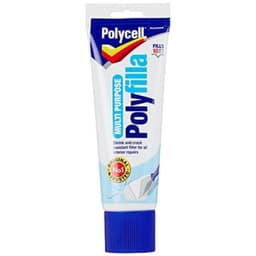
| Best overall |  Polycell Polycell Multi-Purpose Polyfilla 330 g | Multi-purpose ready mixed | Not stated | Not stated | 8.9 | about £3.49 | View offer |
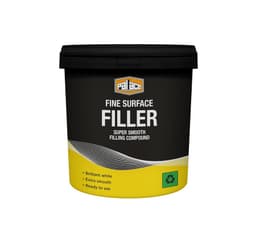
| Best value |  Palace Palace Fine Surface Filler 600 g | Fine surface | Layers of no more than 3 mm | Interior | 8.1 | about £1.25 | View offer |
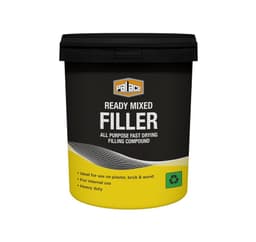
| Alternative |  Palace Palace Langlow Ready Mixed Filler 1 kg | Multi-purpose ready mixed | Layers no thicker than 10 mm | Interior; not exposed exterior | 8.7 | about £6.99 | View offer |
On this page
Fine surface filler is the feathered repair
Multi-purpose filler is the everyday nick
Palace fine against Polycell and Palace ready mixed
When you want neither
Common questions
What is the difference between fine surface filler and multi-purpose filler?
Will multi-purpose filler feather out on a hairline crack?
Is Palace 68-4 the same job as Palace 68-1?
Which one can I use on wood and skirting?
Which one is for outside?
Related pages
Sources
Public UK sources used for this comparison. Listing prices are from amazon.co.uk on 15 October 2026.
- Polycell — Multi Purpose Polyfilla Ready Mixed (retrieved 15 October 2026)
- Palace Chemicals — Ready Mixed Filler TDS (28 October 2024) (retrieved 15 October 2026)
- Toupret UK — powder versus ready-to-use (retrieved 15 October 2026)
- HSE — sanding taped plasterboard joints (retrieved 15 October 2026)
- NHBC — Cracking in your home (retrieved 15 October 2026)
- BBC — cracks in walls (retrieved 15 October 2026)
- Consumer Rights Act 2015, section 9 (retrieved 15 October 2026)
- Checkatrade — how to fill holes in a wall (retrieved 15 October 2026)