How to use nitrogen fertiliser without guessing the rate
The pack is in the shed and the lawn or the can is waiting. A handful, or a splash, is not a dose. How to use nitrogen fertiliser starts with the rate printed for the pack in your hand. If two rates disagree, or the dose is missing, you stop. You do not invent one. Listings are on the [nitrogen fertiliser comparison](/hub/fertiliser-soil-and-bark-mulch/nitrogen-fertiliser). Prices, where they appear, are the 19 October 2026 amazon.co.uk snapshot. This page is from Peter F., the DIY and tools editor, using those listings and RHS notes on scorch. This is not a lab test. A qualifying purchase can earn a commission at no extra cost to you.
The pack is in the shed and the lawn or the can is waiting. A handful, or a splash, is not a dose. How to use nitrogen fertiliser starts with the rate printed for the pack in your hand.
The pack is in the shed and the lawn or the can is waiting. A handful, or a splash, is not a dose. How to use nitrogen fertiliser starts with the rate printed for the pack in your hand. If two rates disagree, or the dose is missing, you stop. You do not invent one. Listings are on the nitrogen fertiliser comparison. Prices, where they appear, are the 19 October 2026 amazon.co.uk snapshot. This page is from Peter F., the DIY and tools editor, using those listings and RHS notes on scorch. This is not a lab test. A qualifying purchase can earn a commission at no extra cost to you.
Our top picks
| Badge | Product | Stated dose | Form | How you apply it | Note | Price | Offer |
|---|---|---|---|---|---|---|---|
| Best overall |  Bottos Bottos Sprint N, 2 kg | 2 kg per 80 m² | Granules | Spread granules and water in | 8.4 | about £13.87 | View offer |
 Bottos Bottos Sprint N, 4 kg kit | 4 kg per 160 m² | Granules | Granules; one review says hand spread | 8.6 | about £29.01 | View offer | |
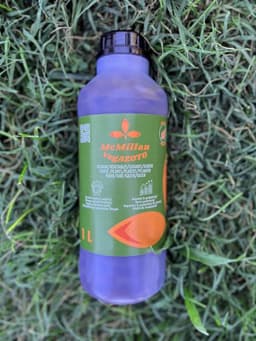
| Alternative |  McMillan VegAzoto nitrogen liquid, 1 litre | 300–500 g per 100 litres | Liquid | Dilute in water | 3.6 | about £18.99 | View offer |


On this page
Weigh the granule rate you can defend
Spread it evenly and water it in
Dilute only in the units on the label
When there is no dose
Scorch, pets, and a dead patch
Common questions
How do you turn 2 kg per 80 square metres into grams?
Why not use 30–35 g per square metre from a review?
How do you spread granules without leaving a stripe?
When do you water it in, and what if the bottle has no dose?
How do you scale 300–500 g per 100 litres?
How long should pets stay off, and what about a burnt stripe?
Related pages
Sources
Public UK sources from the research digest, used for this page in October 2026. Prices, stars and review counts are from the seven amazon.co.uk listings captured on 19 October 2026. A 60–90 day release claim was not measured. These listings do not name ammonium nitrate. A domestic lawn is outside the English nitrate vulnerable zone closed period.
- RHS, Lawn care in spring and summer (retrieved 19 October 2026)
- RHS, Fertiliser labels explained (retrieved 19 October 2026)
- RHS, Fertilisers: types and uses (retrieved 19 October 2026)
- RHS, Lawns: dead patches (retrieved 19 October 2026)
- GOV.UK, Supplying explosives precursors and poisons (retrieved 19 October 2026)
- GOV.UK, Using nitrogen fertilisers in nitrate vulnerable zones (retrieved 19 October 2026)
- GOV.UK, Rules for farmers and land managers to prevent water pollution (retrieved 19 October 2026)
- BBC Gardeners' World, Understanding and using NPK fertiliser (retrieved 19 October 2026)