How to use natural fertiliser: dilute and water in
You already have a meal sack or a concentrate, and the next hour is about not copying another brand's grams onto it. How to use natural fertiliser is the method on that pack, plus the months the Royal Horticultural Society names. This page is from Peter F., the DIY and tools editor, on 21 October 2026. The nine amazon.co.uk listings are on the [natural fertiliser comparison](/hub/fertiliser-soil-and-bark-mulch/natural-fertiliser), read with RHS feeding pages and GOV.UK animal-by-product guidance. Nobody here timed a watering. A qualifying Amazon purchase can earn a commission at no extra cost to you. Dilute the bottle you own, water in a meal that prints no grams, and know when to stop.
You already have a meal sack or a concentrate, and the next hour is about not copying another brand's grams onto it.
You already have a meal sack or a concentrate, and the next hour is about not copying another brand's grams onto it. How to use natural fertiliser is the method on that pack, plus the months the Royal Horticultural Society names. This page is from Peter F., the DIY and tools editor, on 21 October 2026. The nine amazon.co.uk listings are on the natural fertiliser comparison, read with RHS feeding pages and GOV.UK animal-by-product guidance. Nobody here timed a watering. A qualifying Amazon purchase can earn a commission at no extra cost to you. Dilute the bottle you own, water in a meal that prints no grams, and know when to stop.
Our top picks
| Badge | Product | How to apply | Dilution or ratio | Form | Note | Price | Offer |
|---|---|---|---|---|---|---|---|
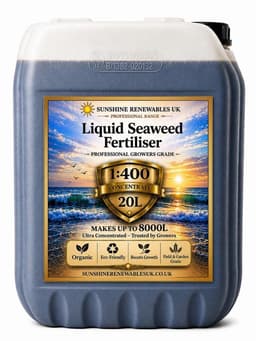
| Best overall |  Sunshine Renewables UK Sunshine Renewables seaweed 20 L | Dilute | 1:400 | Liquid | 9.4 | about £59.99 | View offer |
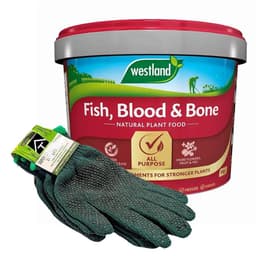
| Best value |  Topline Topline fish, blood and bone 8 kg | Water in | 1:0:0 | Granules | 9.2 | about £18.98 | View offer |
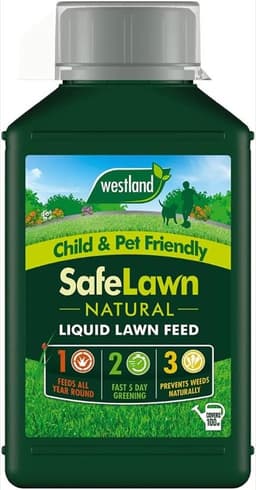
| Alternative |  Westland Westland Safelawn 1 L | Spray | 50 ml per 4.5 L of water | Liquid | 8.8 | about £8.90 | View offer |
On this page
Dilute a liquid from that bottle's ratio
Water in a meal and do not invent grams
Stay inside the UK months
Dogs, leaves, and a missing colour change
Common questions
How do I dilute the bottle I already have?
How do I apply fish, blood and bone or bone meal without a printed gram rate?
When do I start and stop in a UK year?
Can I use last summer's lawn liquid in October?
What do I do if the lawn looks the same after a fortnight?
How do I keep dogs off bone meal?
Can I use the same ratio on Maxicrop and Sunshine?
Will a heavy feed stop Empathy's mycorrhiza from working?
Related pages
Sources
Public UK sources from the research digest, used for this page in October 2026. Prices, stars and review counts are from the nine amazon.co.uk listings captured on 19 October 2026. The card score is the star rating multiplied by 20, not a laboratory test. Westland's published fish, blood and bone analysis is an example on the maker's page, not the analysis of every sack here. A dog that eats bone meal needs a vet. This page does not state a poison dose.
- RHS, fertilisers (retrieved 19 October 2026)
- RHS, seaweed products (retrieved 19 October 2026)
- RHS, biostimulants (retrieved 19 October 2026)
- RHS, fertiliser labels explained (retrieved 19 October 2026)
- RHS, how to feed plants (retrieved 19 October 2026)
- GOV.UK, fertiliser from animal by-products (retrieved 19 October 2026)
- GOV.UK, organic food approved control bodies (retrieved 19 October 2026)
- Soil Association, approved and verified inputs (retrieved 19 October 2026)
- Westland, fish, blood and bone (retrieved 19 October 2026)