Bat guano or seabird guano
You have a VitaLink tub in one tab and COMPO sticks in the other, and both say guano. Bat guano or seabird guano is not a flavour choice. It is whether the label names an animal, and what UK rules say if you are tempted to collect your own. GOV.UK defines guano as excrement from bats or wild sea birds. This page splits the nine saved listings into bat, seabird, and neither, then sets the import note against the roost offence. The [guano fertiliser comparison](/hub/fertiliser-soil-and-bark-mulch/guano-fertiliser) only shows the source column. Form and pack size stay on the [guano fertiliser buying guide](/hub/fertiliser-soil-and-bark-mulch/guano-fertiliser/sub/guano-fertiliser-buying-guide).
You have a VitaLink tub in one tab and COMPO sticks in the other, and both say guano. Bat guano or seabird guano is not a flavour choice.
You have a VitaLink tub in one tab and COMPO sticks in the other, and both say guano. Bat guano or seabird guano is not a flavour choice. It is whether the label names an animal, and what UK rules say if you are tempted to collect your own. GOV.UK defines guano as excrement from bats or wild sea birds. This page splits the nine saved listings into bat, seabird, and neither, then sets the import note against the roost offence. The guano fertiliser comparison only shows the source column. Form and pack size stay on the guano fertiliser buying guide.
Our top picks
| Badge | Product | Stated source | Form | Pack size | Note | Price | Offer |
|---|---|---|---|---|---|---|---|
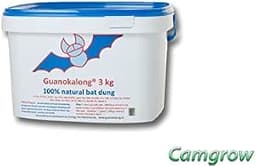
| Best overall |  Guanokalong Guanokalong bat guano, 3 kg | Bat | Powder or granules | 3 kg | 10.0 | about £29.96 | View offer |
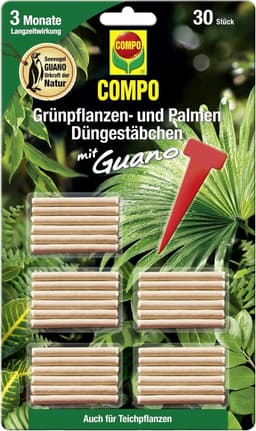
| Alternative |  COMPO COMPO palm sticks with guano, 30 | Seabird | Sticks | 30 sticks | 9.0 | about £15.78 | View offer |
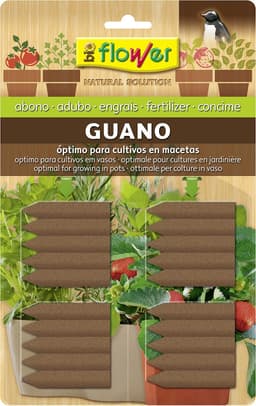
| Best value |  Flower Flower guano sticks, 20 | Not stated | Sticks | 20 sticks | 8.0 | about £5.97 | View offer |
On this page
The label says bat, seabird, or neither
A seabird stick is not bat powder
Sea-bird import rules are not a licence to collect bats
UK loft droppings are a small compost exception
Read the animal, then stop
Common questions
What is guano in UK rules?
Which packs in this set say bat, which say seabird, and which say neither?
Is a seabird stick the same product as bat powder?
Can I scrape droppings from a UK loft and use them like a tub?
Does the UK histoplasmosis advice cover imported cave guano?
Does guano on Annex I mean this listing is certified organic?
Do I need a licence to buy a sealed tub?
Related pages
Sources
Public UK sources from the research digest, used for this page in October 2026. Prices, stars and review counts are from the nine amazon.co.uk listings in the saved files. A 100% organic line names no certifier. A star count whose saved texts are not from the United Kingdom is not UK opinion. This is not a laboratory test. Do not collect droppings from a bat roost.
- GOV.UK, manure, guano and digestive tract content (retrieved October 2026)
- GOV.UK, import of sea bird guano (IIN ABP/21) (retrieved October 2026)
- GOV.UK, fertilisers made from processed animal by-products (retrieved October 2026)
- GOV.UK, bats: protection and licences (retrieved October 2026)
- Bat Conservation Trust, managing droppings and urine (retrieved October 2026)
- legislation.gov.uk, Regulation (EC) No 889/2008 Annex I (retrieved October 2026)
- GOV.UK, rules for farmers and land managers to prevent water pollution (retrieved October 2026)
- RHS, fertilisers (retrieved October 2026)