Independent comparisons. We may earn from shop links. More info

Hydrangea colourant or ericaceous compost

Updated: October 2026

You have three baskets open: a bag of ericaceous compost, a tub of hydrangea colourant, and a box of hydrangea feed. They do three different jobs. Compost is the medium in the pot or the planting hole. A colourant supplies aluminium on a schedule so responsive pink flowers can move towards blue. A hydrangea feed feeds the shrub. Buying all three because the word blue appears on each label leaves a chalk garden with a feed, a salt and the same alkaline soil. Shelf prices are on the [blue fertiliser comparison](/hub/fertiliser-soil-and-bark-mulch/blue-fertiliser).

You have three baskets open: a bag of ericaceous compost, a tub of hydrangea colourant, and a box of hydrangea feed. They do three different jobs. Compost is the medium in the pot or the planting hole.

Our top picks

On this page

Three products, three jobs

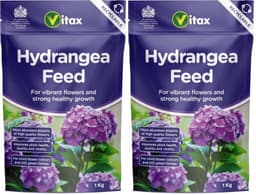
Ericaceous compost is a lime-free growing medium. A hydrangea colourant, here the Westland 500 g tub at £6.99, is sold to move pale pink flowers towards blue and dark pink towards mauve blue. According to the manufacturer, the safety sheet is mostly aluminium sulphate, with a serious eye-damage warning. Vitax at £11.98 for two 1 kg packs states magnesium and iron, and aluminium is absent. On chalk, or in multipurpose compost, start with ericaceous compost in a container, then a colourant at the label rate. On acid soil, with a responsive pink, the colourant can be the only purchase. If the shrub is short of flower, the feed is the tin. The cultivar check is on the buying guide.

When ericaceous compost comes first

The Royal Horticultural Society tells gardeners on alkaline soil to grow blue-flowered hydrangeas in containers of ericaceous compost. That is the answer after a repot into ordinary compost turned a blue plant pink. The patio sequence is on blue hydrangea in a pot. According to the manufacturer, the alkaline-soil line offers ericaceous compost or a double application rate. For a chalk border we follow the container, because large or repeated amounts of aluminium sulphate can interfere with phosphorus. The double rate stays at twice the stated figure.

When a colourant comes first

Buy the colourant first when the shrub is already in acid soil or ericaceous compost, and you will keep a weekly programme from April to September. In this comparison that pack is Westland Hydrangea Colourant, 500 g, at £6.99, with 4.2 from 1,244 reviews. In the Amazon reviews, people who watered the base from spring reported a move back towards blue. If the ground is already acid, another bag of compost is optional. The 50 g rates are on how to use hydrangea colourant. Copy those rates onto a generic 30 ml tub only if that label says the same grams.

Feed, sulphur, and what to leave in the shed

Vitax Hydrangea Feed is the best value in this set for flowering: £11.98, 4.4 from 1,741 reviews, magnesium and iron. Use the feed for more bloom and the Westland tub for colour. The £16.99 bundle is both, if you will use the litre of liquid feed. Some reviewers still saw blue or blue-purple flowers. Sulphur is the Royal Horticultural Society's usual soil acidifier. They note you need about seven times less sulphur than aluminium sulphate for the same pH change. The flower pigment still wants available aluminium. Do not lime a shrub in the same month you are trying to blue it.

Common questions

Do I need compost or a colourant?
If the soil is alkaline or the pot is multipurpose compost, and you want blue on a shrub that can change, buy ericaceous compost first and grow it in a container. Add a colourant at the label rate once that medium is in place. If the soil is already acid and the flowers are a responsive pink, the colourant can be the only purchase. The Westland tub in this set is £6.99. Ericaceous compost is a separate bag, and it was kept out of these eight fertiliser listings.
Can I use both?
Yes, in sequence. Pot into ericaceous compost, then apply the colourant at 50 g per 5 litres of compost at potting and as the weekly soil drench through the growing season. That is the Westland container rate plus the RHS alkaline-soil pot. Pouring a double rate, a feed and a bag of compost into unaltered chalk on the same day stacks three treatments. The pot is the combination that matches the guidance. The heap on the border is the one to avoid.
Is hydrangea feed enough to turn flowers blue?
The Vitax feed in this set is sold for flowering, with magnesium and iron, at £11.98 for 2 kg. Aluminium is unstated, so the listing does not promise a blue flower. Some of the 1,741 reviews mention a shift towards blue or purple, and one buyer did not want that shift. For a reliable colour programme on a responsive pink mophead, the named colourant is the tin. For more bloom, the feed is the best value in the set, with that colour caveat.
Is sulphur the same as aluminium sulphate?
Sulphur is the slower acidifier the Royal Horticultural Society usually recommends, and they describe it as needing about seven times less material than aluminium sulphate to move pH. Aluminium sulphate is the rapid blueing salt, with a warning that large or repeated amounts can harm plants and lock up phosphorus. Westland's colourant sits in that salt family. A bag of sulphur acidifies over time. The flower still wants available aluminium.
Will ericaceous compost turn a white hydrangea blue?
White, red and green cultivars keep their colour in a pot or in a border. Ericaceous compost gives acid-loving plants a suitable medium, and it gives responsive pink and blue mopheads the pH side of a shift. If the label says white or Annabelle, buy compost only when you want a healthy shrub of that colour. Leave the colourant on the shelf.

Related pages

Sources

Public UK and maker sources from the research digest, used for this page in October 2026. Prices, stars and review counts are the amazon.co.uk listings in that digest. The Westland dose and the 93% aluminium sulphate figure are from the manufacturer pages, not from the amazon bullets. A 5.0 from three ratings has no review text.

  1. RHS shrubby hydrangea growing guide (retrieved 22 October 2026)
  2. RHS acidifying soil (retrieved 22 October 2026)
  3. Westland Hydrangea Colourant (retrieved 22 October 2026)
  4. Westland safety data sheet, 8 January 2021 (retrieved 22 October 2026)
  5. BBC Gardeners' World, how to grow hydrangeas (retrieved 22 October 2026)
  6. Grow Scotland, hydrangea flower colour (retrieved 22 October 2026)
  7. Agriculture Act 1970, section 68 (retrieved 22 October 2026)
  8. Fertilisers Regulations 1991, Schedule 2 (retrieved 22 October 2026)