Moss in Lawn UK: Feed, Rake or Leave It Alone?
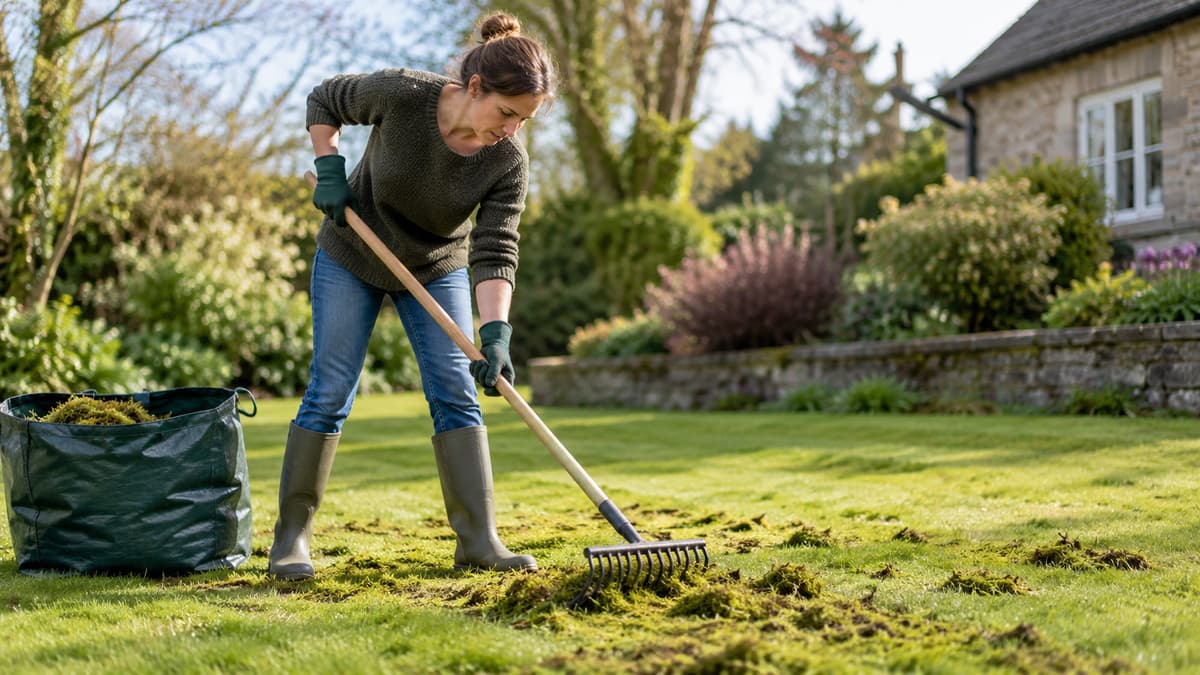
Moss in lawn UK: decide whether to keep, rake or treat it, when to scarify, and why iron in lawn feed is not automatically a legal moss killer.
On this page
Moss in a lawn can look like an emergency when it lifts in dark clumps under the mower, but the right response is not automatically a bag of feed or a bottle of lawn moss killer.
First decide what you want from the area: a grass-dominant surface for regular use, or a green, low-input lawn where some moss is welcome. That choice determines whether you leave it, improve the growing conditions, rake it out or use an authorised treatment.
In short
Keep moss if you like the appearance and the lawn does not need to withstand hard wear. If you want more grass, correct shade, moisture, compaction and mowing before scarifying. Feed supports recovery, but it does not automatically kill moss.
Use a moss-control product only when its UK label expressly authorises that use. Iron in an ordinary fertiliser is not permission to use it as a pesticide.
Decide whether moss is a problem
Moss is a plant, not proof that you have failed to care for the garden. Beneath mature trees it may stay greener than struggling turf and give a soft surface with less feeding and mowing. A mixed grass-and-moss lawn can be a deliberate choice where appearance matters more than hard wear.
The practical limit is wear. Moss has no dense root network to repair repeated scuffing, so a route to the shed, a children's play area or the ground under a washing line can turn muddy or bare.
Treat the worn route rather than the whole lawn. A few patches by a north-facing fence need a different response from a springy layer across the surface. Check whether those spots are hard, wet or shaded for much of the day.
Fix the conditions that favour moss
Shade, slow drainage, compacted ground, acidic or nutrient-poor soil and very close mowing can all weaken turf, and moss often occupies the space grass has surrendered. Diagnose rather than guess. A fertiliser cannot open compacted soil, and lime should not be applied merely because moss is present.
Test the soil if you suspect a pH problem and follow the result, not a garden myth. After rain, note whether puddles persist and whether one section stays soft for days.
On a small lawn, push a garden fork into compacted areas and gently lever back to open air channels without turning the surface over. Do this when the soil is moist enough to penetrate, but not so wet that each step smears it. Serious drainage faults may need landscaping rather than repeated aeration.
Pruning may improve light and airflow, but avoid damaging protected trees or removing large branches without appropriate advice. Where shade is permanent, accept a more open turf, use a grass mixture intended for shade, or redesign the patch.
Keep mower blades sharp and avoid taking off more than roughly one third of the grass height in a single cut. Scalping exposes soil and removes the grass's competitive advantage.
A thin thatch layer is normal, whereas a dense, springy layer can hold moisture near the surface. Aggressive work on weak turf creates bare soil ready for weeds and more moss.
Understand what lawn feed can do
Lawn feed helps grass grow when nutrients are genuinely limiting and the temperature, moisture and season support growth. It does not physically remove an existing mat, fix deep shade or drain a waterlogged site. It is part of recovery, not a universal first move.
Choose the product for the season and follow its own coverage rate. Spring and summer feeds often contain more nitrogen to support leafy growth, while autumn formulations usually avoid driving a soft flush before winter. Do not use leftover high-nitrogen feed simply because scarifying has made the lawn look thin.
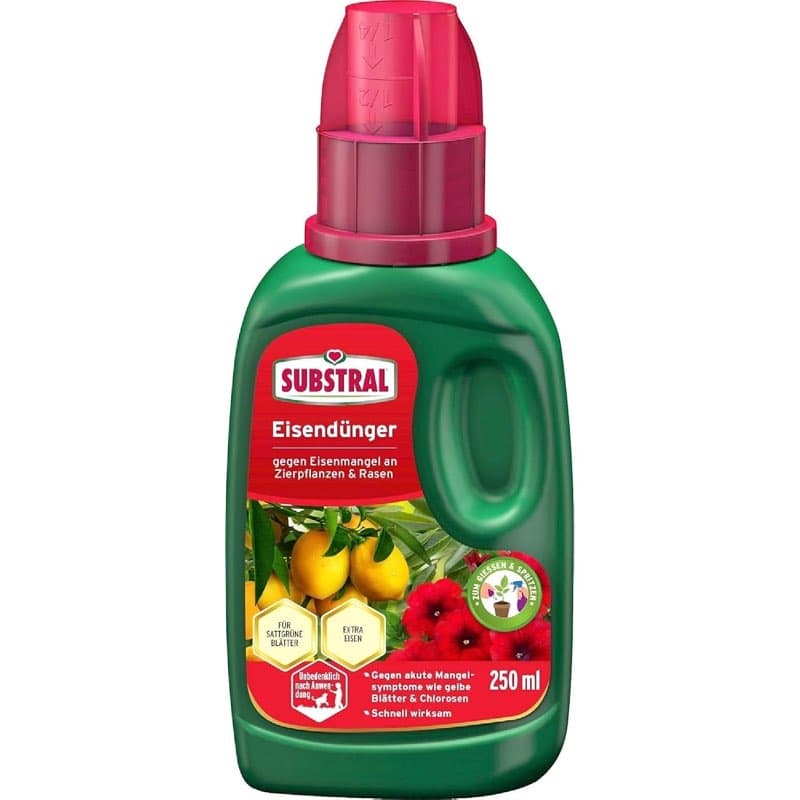
On the Substral lawn fertiliser guide, the top pick is Substral 7391 Iron Fertiliser Green at about £15.35, rated 4.6 from 848 reviews. The listing makes no moss-killing claim, so that rating is not evidence of moss control.
Compare it with the WOLF-Garten lawn fertiliser guide, then check the pack rather than transferring a rate from another product.
Feed, weed control and moss control are separate functions even when they appear on one bag. A product containing iron may green the grass or affect moss, but the ingredient list alone does not establish an authorised moss-control use. Read the purpose, rate, precautions and restrictions on the UK pack.
Choose a legal moss treatment
In the UK, presenting a product as controlling moss makes that use a plant-protection matter. If you want to kill moss, select a proprietary product whose current label specifically says it controls moss and provides the directions. Do not turn an ordinary ferrous sulphate fertiliser into a homemade moss killer by copying a dose from a forum or video.
Iron listed on a fertiliser is not an authorisation to kill moss. Follow a product whose current UK label says it controls moss, and use only the stated rate.
Follow the label for where it can be used, how much to apply, when people or animals can return, and whether blackened moss should be raked afterwards. Never strengthen the mixture.
Iron-containing products can leave rust-coloured stains on paving, stone, concrete, shoes and tools. Sweep stray granules off hard surfaces before watering, and keep children and pets away for the stated period. Avoid application before heavy rain if the instructions warn against run-off, and keep the product out of ponds, drains and neighbouring beds.
Vinegar, bleach, washing powder and improvised iron solutions are not shortcuts. They can scorch turf and other plants, and they give you none of the safeguards of a product assessed and labelled for the job. If you do not want an authorised treatment, mechanical removal and better growing conditions remain valid choices.
Rake or scarify at the right time
Raking removes visible moss. Scarification uses firmer tines or a powered machine to pull moss and excess thatch from the turf. A spring-tine rake is usually enough for isolated patches. A powered scarifier saves time on a large lawn but can strip a weak surface very quickly, so make a shallow test pass before you cross the whole lawn.
For established UK lawns, autumn is often the main scarifying period. The RHS specifically points to October or early November for removing moss, provided conditions allow grass to recover. Spring can suit lighter work after growth resumes. Do not scarify frozen, drought-stressed or waterlogged ground, and do not attack a heat-stressed summer lawn simply because the moss is conspicuous.
Mow beforehand, reducing the height gradually rather than scalping in one cut. Rake in one direction, collect the debris and reassess. Several brutal passes can uproot healthy grass. Bag the material, and compost it only if the product label allows disposal.
Overseed suitable bare areas, maintain even moisture while seed establishes and keep feet off vulnerable patches. Use seed suited to the site, such as shade-tolerant grass for lower light, rather than repeating a mixture that previously failed. Feed only when the season, the label and the grass make it appropriate.
Plan the next six weeks
Start by mapping the lawn into mossy, compacted, wet, shaded and worn areas. During the first week, raise the mowing height, clear leaves, stop routine traffic across a wet route and aerate modest compaction in suitable conditions. Decide which moss can stay.
If you plan to scarify, choose a recovery window rather than a free afternoon. Check that active grass growth and adequate moisture are likely, gather seed for bare patches and arrange a way to collect the debris. For thick moss, judge a test strip by how much viable turf remains, not by how much brown material the machine removes.
If you choose treatment, verify the current UK label before purchase and treat only the area and problem named on it. Record the application date so you do not repeat it early. Wait for the labelled interval before raking or reseeding, and do not add separate iron, extra feed or a second moss product to accelerate the result.
Recheck drainage after rainfall. If puddling and deep compaction persist, pause the cycle of feed and moss treatment and address the ground itself.
Common questions
Is moss in a lawn always a problem?
Does lawn feed kill moss?
When should I rake moss from a UK lawn?
Should I kill moss before scarifying?
Can I use ferrous sulphate from a fertiliser tub to kill moss?
Can I use vinegar or bleach on lawn moss?
Why does lawn moss keep coming back?

Products Compared publishes British-English buying guides based on amazon.co.uk listings and public UK sources. We do not run a lab and we do not invent test scores.
Related articles
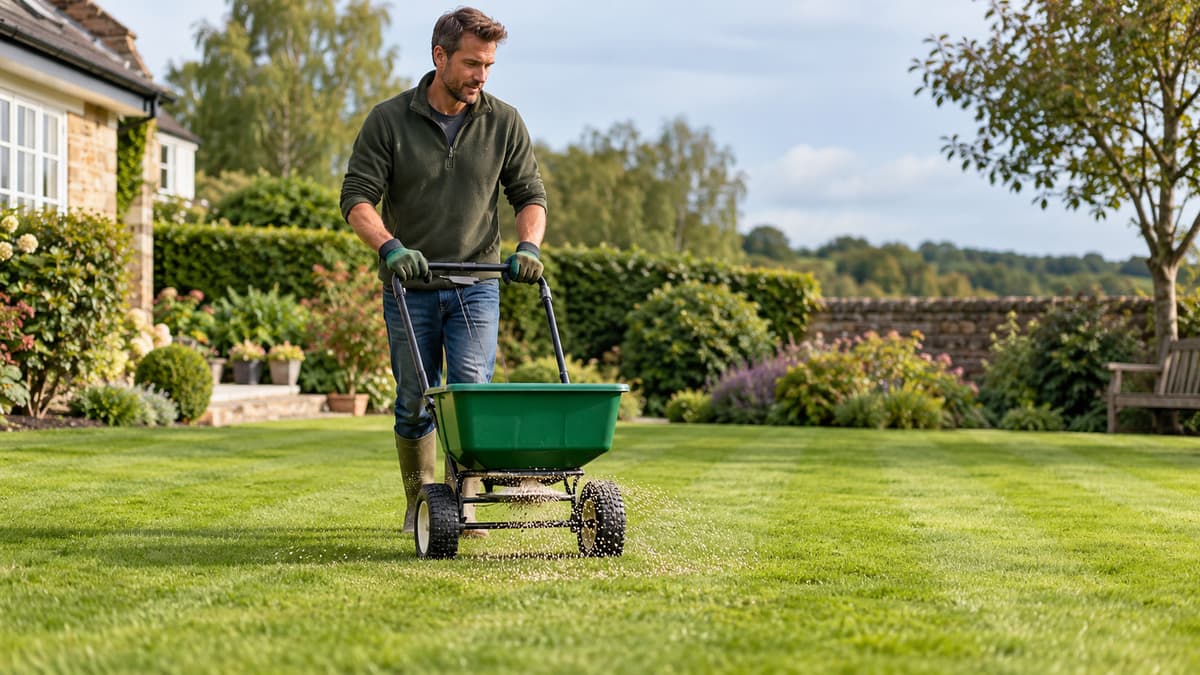
How to feed a UK lawn
Apply lawn feed evenly, at the labelled rate and in suitable conditions.
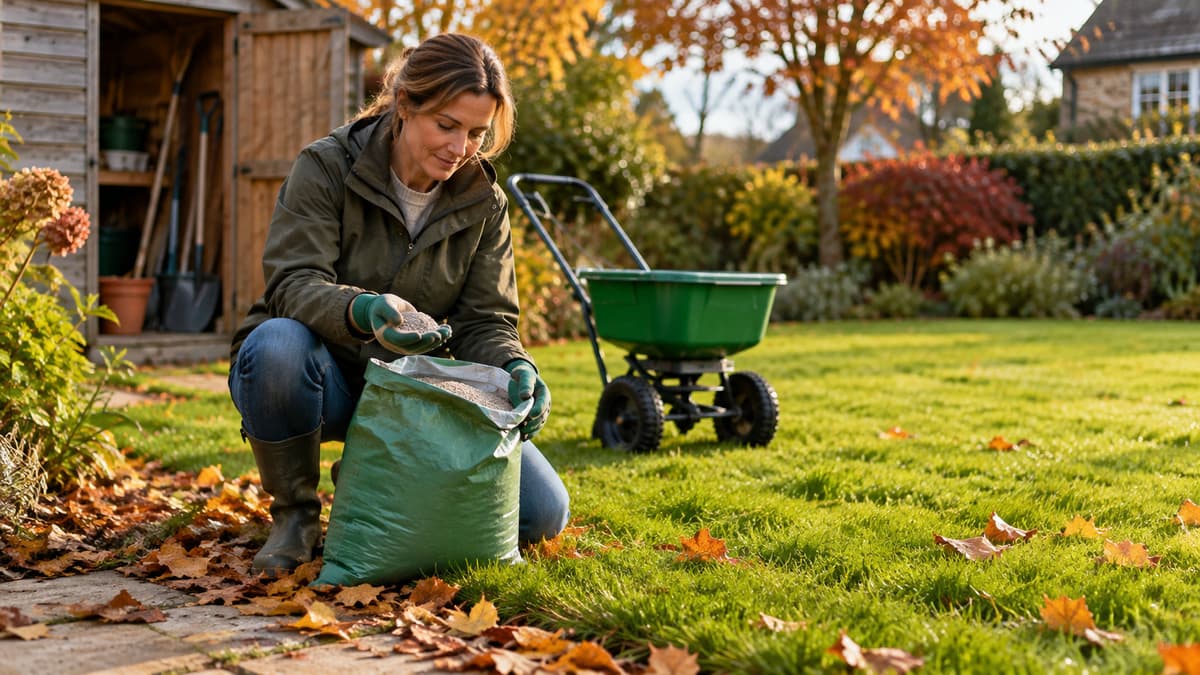
When to use an autumn lawn feed
Choose the right feeding window without pushing soft growth into winter.
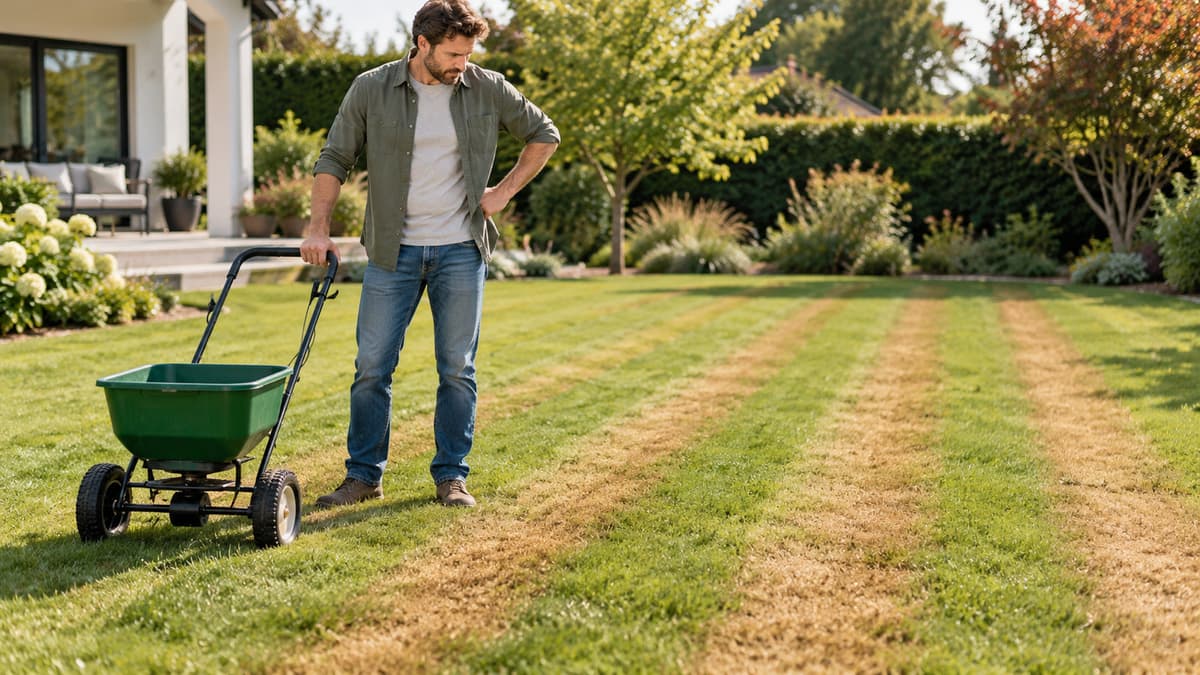
Brown stripes after feeding a lawn
Work out why feeding caused stripes or scorched patches and what to do next.