How to set up electric fence posts
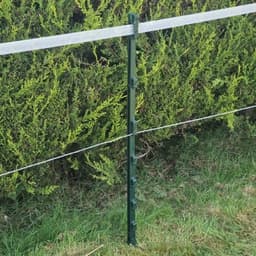
The usual mistake is to tread the first plastic post in the middle of the run, then discover the corner, the gate or the footpath. How to set up electric fence posts starts with a walk, then with anchors that can take the strain, and only then with the tread-in posts. You connect the energiser last, after the conductor is on and the earth is in the ground. The packs are on the [electric fence posts](/hub/fencing-and-wire/electric-fence-posts) comparison. Peter F. checked those amazon.co.uk listings on 19 October 2026. A qualifying purchase can earn us a commission at no extra cost to you. If a bridleway is the boundary you were about to follow, stop before the steps below.
The usual mistake is to tread the first plastic post in the middle of the run, then discover the corner, the gate or the footpath.
The usual mistake is to tread the first plastic post in the middle of the run, then discover the corner, the gate or the footpath. How to set up electric fence posts starts with a walk, then with anchors that can take the strain, and only then with the tread-in posts. You connect the energiser last, after the conductor is on and the earth is in the ground. The packs are on the electric fence posts comparison. Peter F. checked those amazon.co.uk listings on 19 October 2026. A qualifying purchase can earn us a commission at no extra cost to you. If a bridleway is the boundary you were about to follow, stop before the steps below.
Our top picks
| Badge | Product | Total length | Spike | Clips | Note | Price | Offer |
|---|---|---|---|---|---|---|---|
| Best overall |  Rutland Rutland Economy 84 cm poly post, green, 10 | 84 cm title | n/a | Polywire, 12/20 mm | 7.3 | about £27.99 | View offer |
 Doblit Doblit 156 cm poly post, white, 20 | 156 cm | 23 cm | 14 | 6.6 | about £63.99 | View offer | |
| Best value |  Doblit Doblit 105 cm poly post, green, 20 | 105 cm | 18 cm | 8 | 6.7 | about £38.00 | View offer |


On this page
Walk the line before you open the pack
Tread the line posts in
Spacing is a range
Conductor, earth, then the energiser
Stop if the public or a power line is involved
Common questions
What do I put in before the line posts?
How far apart should the posts be?
Can I hammer the top of a plastic or fibreglass post?
What if a footpath crosses the line?
When do I connect the energiser?
When should I stop and get a professional?
Related pages
Sources
Public UK sources listed below, checked on 19 October 2026. amazon.co.uk prices and review counts are taken from the listings in this comparison and can change.
- AHDB: Components of an electric fence (retrieved 19 October 2026)
- AHDB: Types of electric fencing for cattle and sheep (retrieved 19 October 2026)
- Highways Act 1980, section 162 (retrieved 19 October 2026)
- GOV.UK: public rights of way, landowner responsibilities (retrieved 19 October 2026)
- British Horse Society: fencing (retrieved 19 October 2026)
- British Horse Society: electric fencing near bridleways (March 2026) (retrieved 19 October 2026)
- Voltimum UK on BS EN 60335-2-76 (retrieved 19 October 2026)
- Cornwall Council: electric fence notes for landowners (retrieved 19 October 2026)