Independent comparisons. We may earn from shop links. More info

Plastic or fibreglass electric fence posts

Updated: October 2026

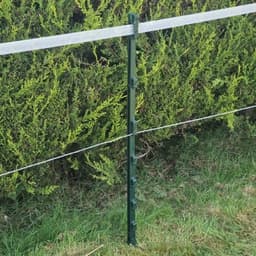
You have two rods in front of you, both meant to hold a live tape for a few weeks and then come out of the ground. One is moulded plastic with a ladder of clips. The other is a fibreglass stick with a handful of movable clips. Plastic or fibreglass electric fence posts is that choice, and in this amazon.co.uk set it is not a fair fight of evidence. Eleven of the twelve packs are plastic. The only fibreglass pack has one UK review. Both are on the [electric fence posts](/hub/fencing-and-wire/electric-fence-posts) comparison. Peter F. checked those listings on 19 October 2026. A qualifying purchase can earn us a commission at no extra cost to you.

You have two rods in front of you, both meant to hold a live tape for a few weeks and then come out of the ground. One is moulded plastic with a ladder of clips.

Our top picks

On this page

Both can hold a live conductor

AHDB treats plastic and fibreglass line stakes as insulating. You do not add a separate insulator the way you must on a steel T-post. If a frayed tape rests on the metal spike, either material can leak, because the spike is metal on both. The plastic body and the fibreglass rod stay out of the circuit when the conductor is in the clip. Steel and timber take the strain at corners, and they need insulators if they carry the live wire. Neither material in this set replaces a strainer.

What plastic is doing in this set

The plastic posts are light, and the clip is moulded at fixed heights. Rutland states polywire and 12/20 mm tape. Doblit’s 156 cm posts state 14 positions and 40 mm tape. The 105 cm posts state eight clips and tape to 40 mm. FENSMILE’s 122 cm plastic posts state tape to 50 mm. UV-stabilised appears on the Doblit and FENSMILE plastic listings. AHDB’s warning that some plastic turns brittle in the sun is general guidance, not a test of these brands. A Rutland buyer calls them a bit flimsy and bendy. A 2016 Hotline review calls that pack really bendy. On the green 156 cm Doblit posts, tape pushes up and a pony used the gap. Plastic remains the rational buy when you will lift the line often, the clip matches your conductor, and you can read a UK sample. Height and slot are the buying guide. The shortlist is on the best electric fence posts page.

What the one fibreglass pack shows

FENSMILE’s fibreglass pack, model EST116, is twenty posts at about £66.99. The title says 116 cm. The bullet also says 46 inches total and 37 inches above ground. You get a fixed top cap, three movable clips and a galvanised spike. Tape width, rod diameter and spike length are not stated. Across 116 ratings it sits at 4.2, and the listing notes contain one UK review, which prefers them to plastic that bends. US reviews in the same capture say tabs pop off, the spike pushes up through the rod, and posts break after a few moves. Those comments are not a UK rate. Three clips means fewer conductor heights than a 14-clip Doblit post. About £3.35 a post is more than the 105 cm Doblit twenty-pack at about £1.90.

When to choose which

Choose plastic when you will move the strip, you need a stated tape width, and you want more than one UK review. That is most of this set: Hotline and Rutland for a low line, Doblit 105 cm for strip grazing if 10 mm rope is not your conductor, and Doblit 156 cm when the top clip has to sit higher. Choose the fibreglass pack only as a flexible rod you will judge from one UK review, with three clips and an unstated tape width. If a horse leaning on plastic is the worry, read the horse paddock page before you spend about £66.99 to change the material. Do not call either material safer, and do not turn a UV bullet into a lifespan.

Common questions

Which one shorts the fence if the wire touches the post?
The metal spike can, on both. The plastic body and the fibreglass rod are insulating when the conductor stays in the clip. A frayed tape lying on the spike is a short either way. Steel posts are the ones that need a separate insulator for the live wire itself.
Which one flexes if a horse leans?
UK reviews describe bend on plastic: Rutland called flimsy, Hotline called bendy in 2016, and a pony pushing tape up a Doblit clip. The one UK fibreglass review prefers that rod to plastic that bends. US notes of fibreglass bases separating are not a UK lean test. Flex is not the same as a fence that contains a horse.
Is UV stabilised a measured fact on these listings?
It is a claim on the Doblit and FENSMILE plastic bullets, and a UV-resistant claim on the fibreglass bullet. AHDB’s warning about brittle plastic is general. This set has no sun-exposure test and no years-in-the-field figure you can quote as a result.
Why is plastic still the usual buy?
Because the UK review record is on the plastic packs, the clip widths are stated, and the posts are the ones you will pull up and move. Fibreglass may flex more, and in these listing notes you cannot score that from UK reviews beyond a single positive comment. Usual is not the same as strongest.
What would make fibreglass the wrong spend here?
Buying it for a 40 mm tape the listing does not mention, or buying it because 116 ratings sound like 116 UK opinions. One of those reviews is from the UK. The rest of the captured criticism is from the United States. About £66.99 for twenty posts is a poor trade if you needed the 14-clip ladder.
What must I not claim about safety?
Do not claim a safer post, a lab winner, or that fibreglass contains horses because one reviewer preferred it to bending plastic. Do not claim US breakage as the UK rate. Do not claim either post as the only boundary of a horse field.

Related pages

Sources

Public UK sources listed below, checked on 19 October 2026. amazon.co.uk prices and review counts are taken from the listings in this comparison and can change.

  1. AHDB: Components of an electric fence (retrieved 19 October 2026)
  2. AHDB: Types of electric fencing for cattle and sheep (retrieved 19 October 2026)
  3. Highways Act 1980, section 162 (retrieved 19 October 2026)
  4. GOV.UK: public rights of way, landowner responsibilities (retrieved 19 October 2026)
  5. British Horse Society: fencing (retrieved 19 October 2026)
  6. British Horse Society: electric fencing near bridleways (March 2026) (retrieved 19 October 2026)
  7. Voltimum UK on BS EN 60335-2-76 (retrieved 19 October 2026)
  8. Cornwall Council: electric fence notes for landowners (retrieved 19 October 2026)