Independent comparisons. We may earn from shop links. More info

Cutting fluid for stainless steel when the bit has already burnt

Updated: 23 October 2026

You have just blued a bit, or snapped a tap, in a piece of stainless on the bench, and another squirt of oil on the vice will not undo it. Cutting fluid for stainless steel has to stay on the edge while that edge keeps cutting, because austenitic grades work-harden when the tool rubs. This page sits beside the [drilling and cutting oil comparison](/hub/diy-supplies/drilling-and-cutting-oil), using the amazon.co.uk listings here and the British Stainless Steel Association’s drilling note. We did not publish a home speed chart, and we did not measure drill life. A qualifying purchase can earn a commission at no extra cost to you. This page stays with stainless.

You have just blued a bit, or snapped a tap, in a piece of stainless on the bench, and another squirt of oil on the vice will not undo it.

Our top picks

On this page

Why the edge burns in stainless

The British Stainless Steel Association treats work hardening, when drilling austenitic grades such as 304 (1.4301) and 316 (1.4401), as the main cause of trouble. If you dwell, or if a blunt lip rubs, the next turn of the bit skates. Entry, and the re-entry after you back out, should be at a proper feed. Both an excessively slow and an excessively fast speed can break a drill. We did not take a metres-per-minute figure from that note, so this page will not invent one. A through hole wants a backing plate so the drill does not snatch as it breaks out. The Association’s guide starts backing out around three to four drill diameters, then uses shorter bites, with as little dwell as you can manage. If the edge is dry at the point of contact, the metal still hardens.

A film that stays while the edge cuts

The fluid does not replace the feed. It stops the edge welding and burning while the edge is actually cutting. A spray that has already run off leaves the same dry rub as no fluid at all. Paste or wax in the flute is the cling answer for one hole. The cutting paste versus spray page is that delivery split. Do not dilute a neat oil because the metal is stainless. Soluble coolant is a different product and is not in this set. The Health and Safety Executive still treats the fluid as a COSHH substance when the swarf is stainless. The sequence for dab, back-off and wipe is on the how to use cutting fluid page.

Packs in this comparison that name stainless

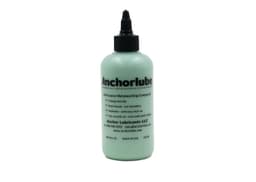
The top pick for an occasional stainless hole is Anchorlube 8 oz, part 3010, about £18.75, with 4.8 from 579 reviews. The title says stainless, and reviews say a dab stays on the bit. You wipe it off. Non-hazardous on the listing is not a GB CLP class. Part 3116 at about £27.99 is the larger jar of the same paste. Lubri-Cut, 10 oz at about £36.44 with 4.8 from 303 reviews, names stainless and stays in the flutes in reviews. The OB41 twin pack, about £13.72 with 4.7 from 94 reviews, names steels including stainless and then drips. SIP’s 5 litre can names a wide metal range on the bullets, including stainless. It is brushed neat oil, with one 4.0 review, and you do not dilute it. Tap Magic EP-Xtra at about £21.50 has one 5.0 review and an all-metals bullet. That is not a stainless result.

What still goes wrong after the right tin

The right paste does not save a blunt bit. A lip that has already rubbed will keep rubbing, and the hardened skin gets worse each time you sneak the feed. Back out on a deep hole, then come back at a proper feed. A tap packed with stainless chips snaps even when the paste was the correct tin. Half a turn back, clear, add paste, continue. A broken tap you cannot afford to lose is the moment to stop, rather than drilling beside it. Fluid in the eye, or breathing symptoms that track the workshop, belongs with a GP. Rocol and other trade pastes appear in UK search results and are not in this comparison. The tin changes the film. It does not change the fact that stainless punishes a rub.

Common questions

Why did the bit burn or the tap snap in stainless?
Austenitic stainless, such as 304 and 316, work-hardens when the edge rubs instead of cutting. A dwell in the bottom of the hole, a blunt lip, or a feed that is too timid builds that hard layer, and the next revolution skates and heats. A packed flute snaps a tap for the same reason: the tool is forced against chips it cannot clear. Oil on the bench does not reach that point of contact.
Is any oil enough if the speed is wrong?
No. Fluid does not replace feed. If the edge is rubbing, or the speed is so far off that the drill is burning, a film on the vice will not keep the cut going. The British Stainless Steel Association notes that both an excessively slow and an excessively fast speed can break a drill. This page does not add a revolutions chart, because we did not take a surface-speed figure from that guidance.
Should I peck, or does backing out harden the hole?
Peck on a deep hole so chips can leave, then re-enter at a proper feed. The Association’s published guide starts backing out around three to four drill diameters, then uses shorter bites, with minimum dwell. The harm is the dwell and the tentative rub on the way back in, not the fact that you withdrew the drill. A through hole still wants a backing plate so the drill does not snatch as it breaks out.
Does a water-based paste still need wiping off stainless?
Yes. Wipe it off the same day. A review reports light rust when water-based paste is left on steel, and that report is a reason to clean the hole even though the metal is stainless rather than mild steel. Non-hazardous on the Anchorlube listing is not a GB CLP class. Wax paste is a different residue, and you still clean it off the finished face.
What do I do if the tap has already broken in the hole?
Stop if you cannot afford to lose the piece. Drilling beside a broken tap, or forcing a screw extractor without a plan, often wrecks the hole. A professional removal is the sensible next step. If fluid has gone in your eye, or your breathing tracks the time you spend cutting, that is a GP visit, not another tin of paste.

Related pages

Sources

Public UK sources and the amazon.co.uk listings compared on this page. Updated 22 October 2026.

  1. HSE: About metalworking fluids (retrieved October 2026)
  2. HSE: MW series index (retrieved October 2026)
  3. HSE: MW2 skin (retrieved October 2026)
  4. HSE: GB CLP (retrieved October 2026)
  5. Aerosol Dispensers Regulations 2009, Schedule 1A (retrieved October 2026)
  6. GOV.UK: Aerosol Dispensers Regulations 2009 (retrieved October 2026)
  7. MSC UK: Neat cutting oils (retrieved October 2026)
  8. Oil Store: What is cutting fluid? (retrieved October 2026)