Independent comparisons. We may earn from shop links. More info

Cutting oil buying guide for a UK shed

Updated: 23 October 2026

You have a handful of holes to drill in the garage, and the amazon.co.uk results mix a paste, a foam, a neat-oil can and a household drip oil in one list. This cutting oil buying guide puts the decisions in order: the job, the metal, how the film stays, what the tin actually claims, then the pack you will finish. Prices are the GBP figures recorded for this comparison, not a live crawl, and we did not crown a single bottle. The ASIN table is the [drilling and cutting oil comparison](/hub/diy-supplies/drilling-and-cutting-oil). A qualifying purchase can earn a commission at no extra cost to you.

You have a handful of holes to drill in the garage, and the amazon.co.uk results mix a paste, a foam, a neat-oil can and a household drip oil in one list.

Our top picks

On this page

Start with the job, not the brand

One hole, or a hand tap, needs a film that stays in the flute. That is a paste, a wax, or a foam you are willing to watch. A pillar drill or bandsaw you use most weekends can justify a neat-oil can and a brush. A sump needs a fluid the machine is meant to pump. The pastes in this set are not that fluid. An 8 oz paste is sized for a 6 mm mild-steel bracket and three Saturday holes. SIP’s neat oil is about £51.95 for 5 litres in this snapshot, with one review. Buying it for the bracket leaves you storing oil you will not use. If you want a short list rather than the order, the best cutting oil page names a pack per job.

Match the metal before the additive claim

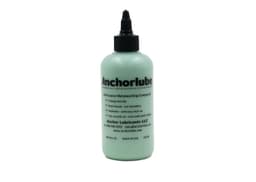
Stainless and high-tensile steel are why people buy an extreme-pressure paste. A rubbing bit work-hardens the surface. A fluid aimed only at aluminium is a different purchase. ECO SERVICE at about £6.43 recommends aluminium cutting and has no star line. Anchorlube part 3010, about £18.75, puts stainless in the title. Part 3011, about £28.12, lists stainless, brass and aluminium. OB41’s twin pack names cast iron and steels, including stainless. Sealey’s 500 ml bottle at about £12.60 does not name a metal. Aluminium and brass need a non-staining check, because active sulphur can tarnish them. That is guidance, not a lab result on every tin here. SIP’s bullets claim non-staining additives and name brass and bronze. Brass is often drilled dry because fluid packs the flutes. If you have already burnt a bit, the cutting fluid for stainless steel note stays on that metal.

How the film stays on the tool

Spray is fast. In OB41 reviews the foam clings, then dissipates and drips, and the jet is not directional. Paste and wax stay in the flute. Anchorlube reviews describe a dab that stays on the bit. Lubri-Cut, the 10 oz wax at about £36.44 with 4.8 from 303 reviews, is described as staying in the flutes. Liquid neat oil runs unless you brush it. Sealey claims high viscosity and gives no grade, so cling is unproven. “Water-based”, “no chlorine” and “non-staining” are listing claims until the safety data sheet and the tin say the same thing. In Great Britain the hazard label is GB CLP. In Northern Ireland it remains EU CLP. A stated flash point of 180 °C on the SIP can is not an aerosol flammability class. The cutting paste versus spray page is the delivery choice. Buy the form that is still on the edge while the tool cuts.

Pack size, and what you must not mix

A small bottle can cost more per litre than 5 litres and still be the right buy if you drill a few times a year. Part 3010 at about £18.75 for 8 fl oz is dearer per litre than SIP at about £10 a litre, and it is the pack you will finish. The 16 oz Anchorlube at about £27.99 is the step up when the 8 oz jar would be empty in a month. None of those comparisons is a live price check. Do not add water to SIP neat oil or to Tap Magic to invent a soluble coolant. Soluble oil is mixed with water on purpose, and it is not among these ASINs. Household 3-IN-ONE was left out because it is a drip oil for hinges and bikes, not a drilling fluid. A different CT-90 compound and a WD-40 Specialist cutting oil near £7.95 to £9.35 are not in this comparison either.

Common questions

Do I want a paste, a spray, or a can of neat oil?
Want paste or wax when one hole or a hand tap must keep a film in the flute. Want a spray or foam when the hole is general, you can reapply, and a drip is acceptable. Want a neat-oil can and a brush when a pillar drill or bandsaw is used often enough to finish the volume. A sump needs a fluid the machine is meant to pump, which these pastes are not.
Is soluble coolant the same product with water added?
No. Soluble oil is formulated to be mixed with water. The neat oils and pastes in this set are not given a mix ratio, and you should not dilute SIP or Tap Magic to imitate a sump coolant. Adding water to a neat oil does not create the fluid a machine is designed to circulate.
Will a steel cutting oil stain brass or aluminium?
It can, if the fluid uses active sulphur. That is a reason to check the tin before you use a steel fluid on aluminium or brass, not a test result for every bottle here. SIP claims non-staining additives and names brass and bronze. Brass is often drilled dry because fluid packs the flutes. ECO SERVICE is the spray in this set whose listing recommends aluminium, and it has no reviews.
Can I use 3-IN-ONE or a household drip oil instead?
No. A household drip oil for hinges, locks, chains and bikes is not a cutting fluid for a drill or a tap. It was set aside from this comparison for that reason. Using it because it is already on the shelf leaves the edge without the film these pastes and neat oils are sold to provide.
What is a 5 litre can for, if a small bottle costs more per litre?
The 5 litre can is for repeated cutting on a pillar drill or bandsaw. SIP is about £51.95 in this snapshot, about £10 a litre on that price alone. A dearer 8 oz paste can still be the right buy for a few holes a year, because you will finish it. Price per litre is the wrong ruler for three holes.

Related pages

Sources

Public UK sources and the amazon.co.uk listings compared on this page. Updated 22 October 2026.

  1. HSE: About metalworking fluids (retrieved October 2026)
  2. HSE: MW series index (retrieved October 2026)
  3. HSE: MW2 skin (retrieved October 2026)
  4. HSE: GB CLP (retrieved October 2026)
  5. Aerosol Dispensers Regulations 2009, Schedule 1A (retrieved October 2026)
  6. GOV.UK: Aerosol Dispensers Regulations 2009 (retrieved October 2026)
  7. MSC UK: Neat cutting oils (retrieved October 2026)
  8. Oil Store: What is cutting fluid? (retrieved October 2026)