Flatten spokeshave sole: paint, a file, and a stop line

A painted or rocky spokeshave sole skips the first shaving. Use 100-grit paper on a flat surface, clear cap-iron paint, and stop if the mouth or screws fail.
On this page
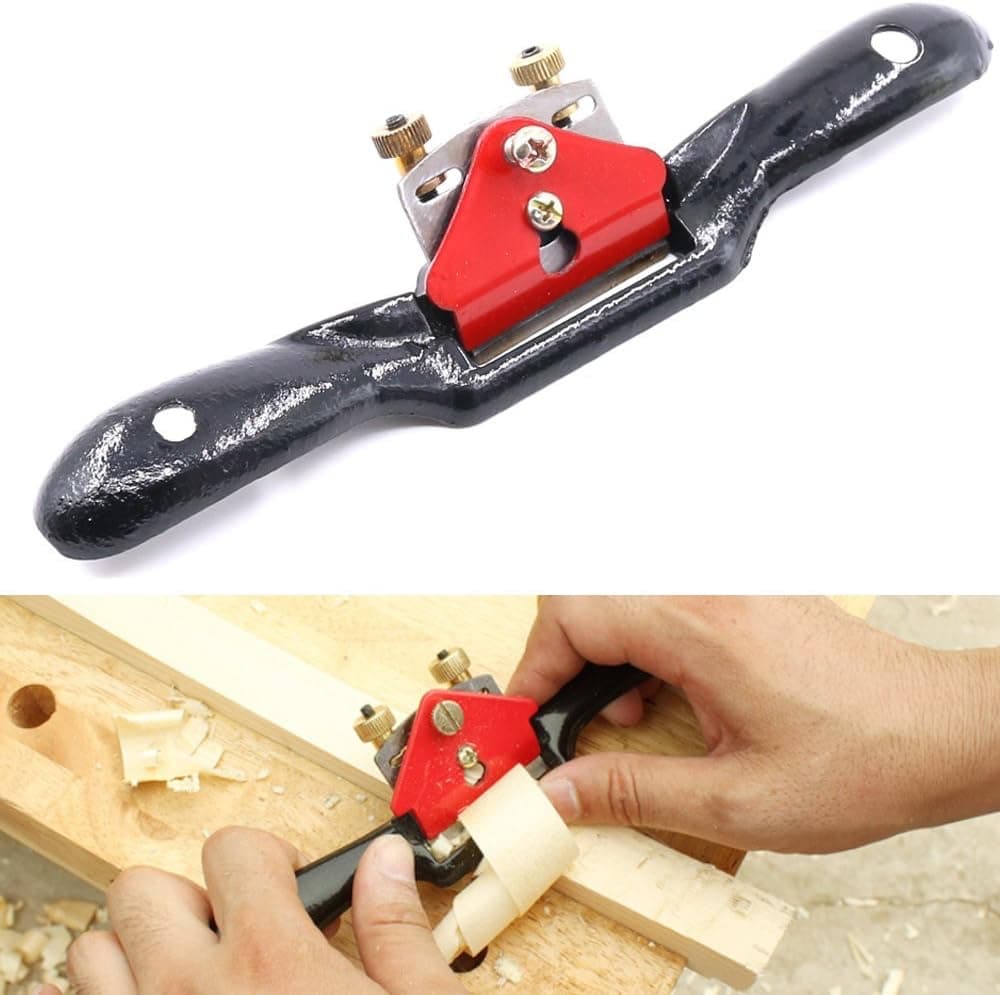
The first pass leaves a shiny stripe and paint still sitting at the edges, or the shave chatters and the ribbon breaks. You have already turned both adjusting screws. Flatten spokeshave sole is the job when that metal is painted or the casting rocks. A sharper iron still skips a high spot.
On the inexpensive flat-base tools in our spokeshave comparison, paint and a rocky casting are a common first afternoon. A sole you can bring to a surface you already know is flat is ordinary setup. A mouth that still will not pass a shaving afterwards, or screws that walk out, belongs with the seller.
Prices, stars, and review counts are the amazon.co.uk figures stored for that comparison, captured around 15 October 2026. The sole method follows published notes from Woodcraft and Common Woodworking, with Popular Woodworking as background on why a cheap metal shave needs tuning. We did not flatten any of the twelve tools in a workshop, and we did not decide that a named listing is faulty. A qualifying purchase through our links can earn a commission at no extra cost to you.
In short
Flatten a painted or rocky flat sole before you blame the iron. Woodcraft's route is 100-grit paper on a dead-flat surface, with firm, short, side-to-side strokes. Common Woodworking adds a file when the casting undulates, then a finer abrasive and oil, and treats thick cap-iron paint as part of the same setup. A round sole stays round. Screws that will not stay, or a mouth that still will not cut after the cap is clean, are a stop line.
Paint and a rocky sole
A spokeshave cuts where the sole is bearing and the edge projects by a hair. Paint sits thickest in the low spots and wears first on the high ones, so the first strokes polish a stripe and skip the rest. A rocky casting seesaws: the edge digs, then it lifts clear, and more depth on the screws makes the dig worse. Set the tool as the spokeshave how-to-use guide describes, take one short stroke, and look at the sole before you blame the iron.
The busiest flat-base listing is the Swpeet B0773LKJ5Y, at £8.99 with a 3.9 average from 1,928 ratings and a claimed 46 mm blade. Reviewers mention door edges that worked after adjustment, and also paint, a blade that needs a hone, and fiddly screws. The best spokeshave note treats it as a top pick if you will tune a flat sole. Popular Woodworking's background is that a cheap metal shave can work once the sole and the iron are tuned, which is setup, not a measurement of this Swpeet.
Take the iron and the cap off so the edge stays clear of the abrasive. If a straight edge already shows contact at the mouth, the toe, and the heel, hone instead. Flattening a true sole only removes metal at the mouth. A twisted sole, with one side of the mouth proud of the other, will not come true on paper.
Flatten on a known flat surface
Two published routes cover a flat sole. Woodcraft puts 100-grit sandpaper on a dead-flat surface and works the sole with firm, short strokes from side to side. Common Woodworking flattens on diamond stones, uses a flat file first if the sole undulates, then paper on the corners and a little oil. Use paper for paint or a slight rock, and the file when paper would dish the hollows. High spots go bright first, and low spots keep their paint.
Woodcraft names no brand of plate. Use a surface you already trust: the diamond plate you hone on, plate glass checked with a straight edge, or a machine table you already treat as a reference. Fix the paper so it cannot creep. A kitchen worktop or a board you have only looked along will lend the sole its own dip, and a dished sole opens the mouth in the middle.
Work in this order, with the iron and cap off the tool:
- Seat 100-grit paper on the flat reference, or set the sole on the diamond plate if that is the route you are following.
- Hold the body and take firm, short strokes from side to side, keeping the sole down so you stay off the corners.
- Stop every few strokes, wipe the dust, and look for bright metal on the highs and remaining paint in the lows.
- If the low paint is barely touched after a couple of minutes, file the high bands, then return to the abrasive.
- Paper the arrises so a sharp corner does not score the timber, wipe on a little oil, and refit the iron at a light set.
Short strokes matter more than pressure. A long sweep rounds the toe or the heel, and leaning through a small casting dishes the middle. Stop when a light set takes a continuous shaving, with contact at the mouth and both ends. A mirror polish thins the metal around the mouth. Oil the bare cast iron before it goes back into a damp shed, or flash rust becomes a new high spot. Dust on a sole that now sits flat means the edge is the next job.
Cap-iron paint
A thick band of paint on the leading edge of the cap holds the iron off the work. The mouth clogs, and a keener edge leaves that spacer where it was. Common Woodworking files the paint back until a bright silver band shows, then flattens the underside so the cap beds on the iron. File toward the edge, keep the file out of the slot, and leave enough thickness that the cap still supports the blade.
If the cap shoulders miss the notches in the body, file the screw slot until they meet. Filing the painted nose leaves that miss where it is. Common Woodworking warns that overtightening the screw through the cap can fracture it, and snug is enough. Clean the cap in the same session as the sole, then take one test shaving. If the mouth still will not pass a shaving, the mouth itself is cast in the way.
A round sole stays round
A round sole stays curved. Sanding it flat removes the shape that lets the cutter drop into a hollow. The flat and round spokeshave guide sets that split out. A flat sole follows a door edge, a chamfer, and a broad gentle curve. A round sole reaches a tighter hollow and is less steady on a straight stile.
Spear & Jackson SSROUND B0H2Z5N6SS is the named round shoe: £13.33, a 4.1 average from 93 ratings, cast iron, made in India. SSCON B0H2YW8WKL, at £26.74 with a 4.5 average from 106 ratings, is a concave and convex blade pair with a single locking screw. UK comments on these cast tools talk more about patience while setting the blade than about filing the sole. Paint shows up on the cheap flat castings, including the Swpeet pair at £4.44. On the round shoe, hone if the iron skids and leave the curve alone. The buying guide separates the shapes before you work the wrong sole.
When setup stops
Setup ends when more abrasive cannot make the edge meet the wood. Screws that walk out, a mouth that still will not pass a shaving after the cap is clean, or a twist that meets the timber on one side only, are the stop. Filing the high side of a thin casting opens that side of the mouth.
Section 9 of the Consumer Rights Act 2015 requires goods from a trader to be of satisfactory quality. What to say sits in the guide to a faulty spokeshave and your rights. This page names no faulty listing, because a photograph cannot show a twist. A fiddly set that then holds is technique. Screws that unwind under a normal cut are a fault. Once the sole contacts at the mouth and both ends, refit the iron and aim for an even shaving at a light set.
Common questions
A live price can move after 15 October 2026. The questions below use the same listings and the same two sole notes. If the mouth still will not pass a shaving once the cap is clean, the next step is the seller.
Common questions
Should you flatten the sole before you judge the blade?
Is paint on the sole a defect or ordinary setup?
Should you use sandpaper or a file?
What counts as a dead-flat surface at home?
Do you flatten a round sole the same way?
What does a thick cap iron have to do with the sole?
When is a twisted sole faulty enough to return?
Does a Spear & Jackson need the same treatment as a £4 shave?

Peter F. is the editor for DIY & tools at productscompared.co.uk. Comparisons in this category are checked against amazon.co.uk listings, review evidence and public UK sources.
Related articles
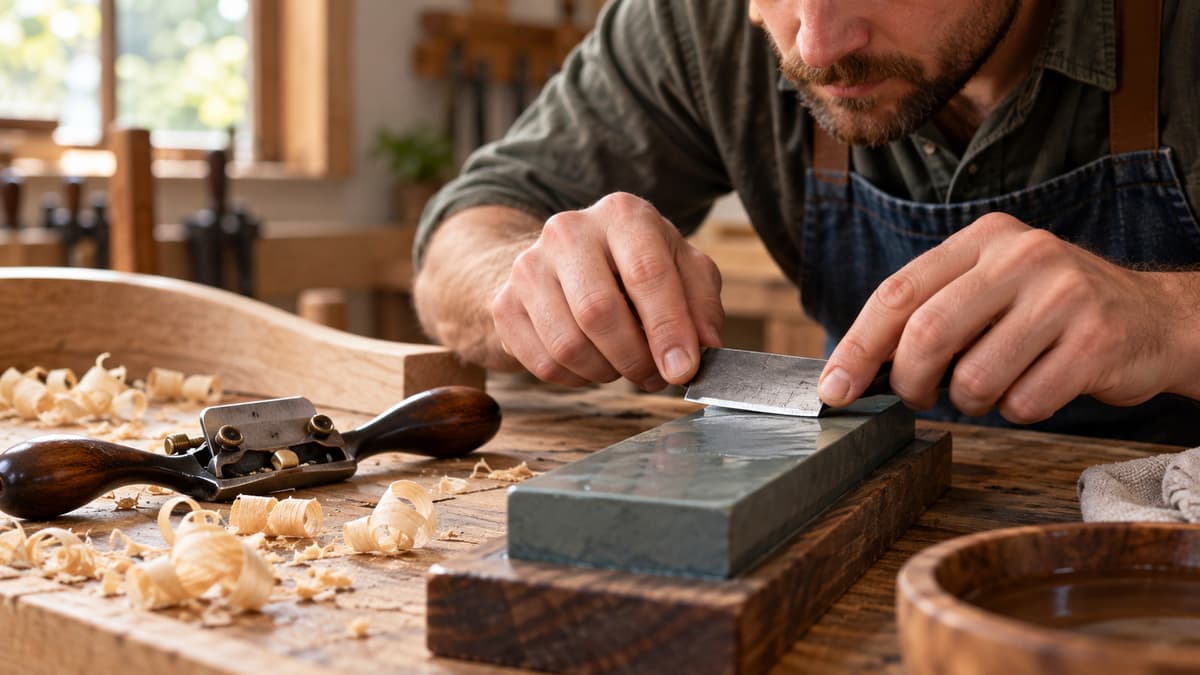
Sharpen a spokeshave blade
A flat sole still skips if the iron is blunt. Hone the bevel, camber the corners, and treat a new chip as a return.

Your rights if a spokeshave arrives faulty
Screws that walk out, or a mouth that still will not pass a shaving, can be a quality problem with the seller.
What a spokeshave costs in the UK
A £4 pair and a cast-iron shave near £27 are different amounts of setup. Shelf price is only the first number.