Independent comparisons. We may earn from shop links. More info

Air cooler vs air conditioner

Updated: 21 October 2026

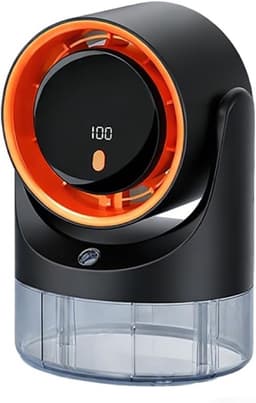
The title says mini air conditioner. You click through and find a water tank, a USB lead, and no hose. An air cooler wets a stream of air. An air conditioner removes heat with refrigerant and dumps that heat outside. They are not two sizes of the same machine, and a British muggy evening punishes the water one first. Peter F. set the twelve misters in the [mini air cooler comparison](/hub/cooling/mini-air-cooler) against that definition on 20 October 2026. A qualifying purchase can earn a commission at no extra cost to you.

The title says mini air conditioner. You click through and find a water tank, a USB lead, and no hose. An air cooler wets a stream of air. An air conditioner removes heat with refrigerant and dumps that heat outside.

Our top picks

On this page

Two machines, one confusing title

Regulation (EU) 206/2012 defines an air conditioner as a vapour-compression cycle with an electric compressor. If the page does not mention refrigerant, a compressor, or a hose that carries heat outside, you are not looking at that machine. The twelve listings describe water, USB power, and mist. An A+ or A+++ string is not an energy label unless the file shows the label, a refrigerant, and a seasonal figure. These files do not. A tank you fill at the sink, a Type-C lead, ice in a bullet, and no outdoor unit is a mini air cooler, whatever the heading says. A Fahrenheit drop in a bullet is a seller sentence, not a test in the file.

What each one does to the room

An evaporative cooler adds moisture. You feel that in the stream, at the distance of a chair, and much less across the room. Trusted Reviews puts the outlet effect of evaporative coolers at about 2°C to 6°C with a window open. That range is about larger units, not a promise for a 5 W USB box. Portable air conditioning rejects heat through the hose and takes moisture out of the room. It wants the room sealed. Opening everything helps the cooler and hurts the air conditioner. Sealing everything helps the air conditioner and leaves the cooler recirculating damp air. On a humid night the same unit can feel like a fan that makes the air heavier. The NHS heatwave page says fans are relevant below 35°C. That is not a reason to skip refrigerant if someone is at higher risk.

Pounds and the hose

The Energy Saving Trust’s summer note puts a fan at about £0.14 to £0.30 per 24 hours, an evaporative cooler at about £0.27 to £0.39, and a portable air conditioner at about £4.62 to £5. Portable air conditioning can cost up to about twenty times a fan to run. Those bands are not a daily bill. That does not make an A+ string beside a tank into an energy label. A portable unit needs a window kit so the exhaust can leave. Without it you heat the room with the machine that is trying to cool it. A mini cooler has no hose because it blows air across water.

Which job stays on this site’s mini page

Stay with a mini air cooler if you will sit in the stream on a drier day, crack a window, and the volts match the bullets. Whole-room heat with the window shut leaves the category. Evapolar or Morphy Richards money still buys about a metre of personal air, not a portable air conditioner. The best mini air cooler page says when that step up is still the wrong machine. The personal air cooler buying guide covers tank size and UK adaptors. If the spray has stopped, use how to use a mini air cooler. Tank and no refrigerant means cooler. Hose and refrigerant means air conditioner.

Common questions

Is a mini air cooler a small air conditioner?
No. A mini air cooler in this comparison is a fan with water or mist, usually on USB, in a band from about £10 to £39. An air conditioner uses refrigerant and a compressor to move heat. The definition in Regulation (EU) 206/2012 is that vapour-compression cycle. A smaller box and a lower price do not turn one into the other.
Why is there a water tank and no hose?
Because the machine is evaporating water into the breeze, not rejecting heat outside. You fill the tank. There is no exhaust duct. A portable air conditioner has the hose because the heat it removes has to leave the room. If your mini air conditioner has a tank and a USB lead, you bought the water machine.
Which one lowers the room temperature?
The portable air conditioner, when it is installed with the hose and the room is not wide open. The mini cooler affects the stream in front of it and adds moisture. Trusted Reviews’ 2°C to 6°C note is about evaporative outlet air on larger coolers, not a measured drop for these USB listings. Seller claims of a 45–50°F fall are not tests in the file.
Which one works on a muggy night?
The air conditioner is the one that can still lower the room, because it removes moisture as it cools. The evaporative cooler gets weaker as humidity rises, and with the windows shut it recirculates damp air. A fan is the cheap third option if you only want air moving and you do not want either a tank or a hose.
When is the portable air conditioner the wrong extra cost?
When you will not fit the window kit, when you only needed a breeze on your face, or when the Energy Saving Trust’s higher 24-hour band is more than you will spend for a machine you use a few afternoons. It is also the wrong purchase if you wanted a USB box for a desk. It is the right extra cost when the room itself has to get colder in humid weather.

Related pages

Sources

Public UK sources used for this comparison, last reviewed on 20 October 2026. Listing prices, stars, and specifications are from the amazon.co.uk pages for these twelve ASINs.

  1. NHS: Heatwave: how to cope in hot weather (retrieved 20 October 2026)
  2. NHS: Heat exhaustion and heatstroke (retrieved 20 October 2026)
  3. GOV.UK: Beat the heat: keep cool at home (retrieved 20 October 2026)
  4. Energy Saving Trust: Tips to keep your home cool this summer (retrieved 20 October 2026)
  5. Electrical Equipment (Safety) Regulations 2016 (retrieved 20 October 2026)
  6. BS EN IEC 60335-2-80:2024+A11:2024, household fans (retrieved 20 October 2026)
  7. Regulation (EU) 206/2012, air conditioner definition (retrieved 20 October 2026)
  8. HSE: Legionella and other risk systems (retrieved 20 October 2026)
  9. Trusted Reviews: Evaporative coolers are worth it, but only under certain conditions (retrieved 20 October 2026)
  10. Air Concentre: Air coolers buying guide (retrieved 20 October 2026)
  11. National Heater Shops: Buying guide for evaporative air coolers (retrieved 20 October 2026)
  12. GOV.UK: The energy labelling of products (retrieved 20 October 2026)