Independent comparisons. We may earn from shop links. More info

How to organise a tool bag

Updated: October 2026

Knowing how to organise a tool bag means reaching the right driver, bit or fixing without unloading everything onto the floor. Start with the tools used on most jobs, give each one a repeatable position, and remove anything that stops the zip or the pockets working. If you are still choosing the carrier, use the [tool bag comparison](/hub/tool-accessories/tool-bag) before you apply this layout. The method suits a typical UK DIY or mobile hand-tool kit. It uses problems in the review signals for this set: sagging sides, shallow pockets, and a zip that will not close when the walls are overfilled. A qualifying purchase can earn a commission at no extra cost to you.

Knowing how to organise a tool bag means reaching the right driver, bit or fixing without unloading everything onto the floor.

Our top picks

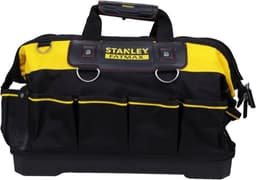
STANLEY Stanley FatMax 1-93-950

Best overall

STANLEY Stanley FatMax 1-93-950
9.4/10about £24.97
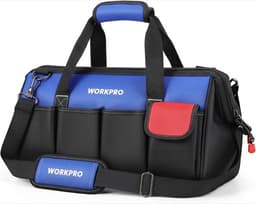
WORKPRO WORKPRO 18 inch

Best value

WORKPRO WORKPRO 18 inch
9.2/10about £17.99
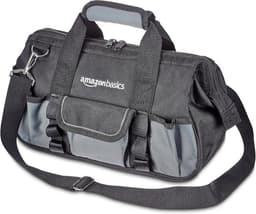
Amazon Basics Amazon Basics 30.5 cm

Alternative

Amazon Basics Amazon Basics 30.5 cm
9.0/10about £12.38
On this page

Why a full bag can still be slow

A bag is slow when tools have no recognisable home. Dropping everything into the largest compartment feels quick, and the next job starts with a search under the drill and loose consumables. More pockets do not help if similar tools are scattered on all four sides. Organise by frequency. Tools you use on nearly every job should be visible without moving the cordless kit. Less-used items can sit deeper if they are grouped. Fixings, blades and small accessories need closed pouches, because open wall pockets drop small parts when the bag tips. Empty the bag first and remove duplicates that have no job. Wipe the base and check the seams, zip, clips and pockets.

A pocket order you can repeat

Put daily hand tools in upright pockets where you can see the handles, and return each one to the same place. Do not park a heavy item in a shallow outer pocket just because it fits while the bag is still. Amazon Basics review signals describe shallow, non-elastic pockets, so retention matters as much as the printed count. Use a zipped pouch for screws, plugs, bits and spare blades. The HAUTMEC case shows the idea of divided storage. Label pouches by task, and keep liquids away from batteries. Keep the centre for the bulkiest items. Sit the drill low so the chuck does not press into the fabric, and remove an unusually long bit. Batteries need protected terminals and should not rattle against loose metal. At the end of the job, reset the layout: daily tools back, stray fixings into the pouch, rubbish and damp cloths out. The tool bag buying guide helps if you still need a carrier that can hold that order.
STANLEY Stanley FatMax 1-93-950

Testsieger

STANLEY Stanley FatMax 1-93-950
9.4/10about £24.97

When the bag tells you to stop

Review signals for the WORKPRO 18 inch bag say the zip may not close when the wall pockets are full. If you have to force the sliders around a bulge, remove tools. Do not use the zip as a compression strap. Stanley 1-93-950 reviews say the side pockets can slump unless the bag is zipped. A pocket that leans out can drop a screwdriver or snag in a doorway. Move heavy items to the centre and keep outer pockets for lighter tools. If the bag tilts as soon as you lift it, put the heaviest item over the base. Do not add weight just to balance another item. If one job will not fit without defeating the zip, split it: hand tools in the day bag, bulky kit in a box. Tool bag vs toolbox is that choice.

Sharp tools, weight and the final check

Chisels, scribers, saw blades and long bits need covers or holders. Pointing a sharp edge down is not enough. Movement can work it through the pocket or the base. One US review of the WELKINLAND bag mentions a screwdriver puncturing a pocket. That is an anecdote, not a failure rate, and it is why a sleeve matters. Pack for the route, not the seller’s maximum. A 30 kg line is not a safe weight for one shoulder. HSE guidance sets no single legal kilogram limit. Wheels change a carry into a push, and that task still needs assessing. Finish when the zip closes without force, no edge is exposed, the base sits flat, and the handles and clips are sound. If the bag sits on a rough or wet floor, the bottom itself is the subject of the hard base tool bag guide.

Common questions

Where should everyday tools go?
Put frequently used hand tools in visible upright pockets near the opening, with each tool returning to the same position. Keep heavy cordless tools low and central. The aim is to retrieve a driver or pliers without moving the drill or emptying the main compartment.
What belongs in a zip pouch?
Use closed pouches for screws, plugs, drill bits, spare blades and other small parts that can disappear into seams or fall from open pockets. Separate them by task where possible. Do not let loose metal pieces move against unprotected battery terminals.
Why do tools fall from side pockets?
The pocket may be too shallow, stretched, overloaded or angled outwards as the bag sags. Move heavier tools towards the centre and reserve marginal pockets for lighter items. If a pocket no longer retains its contents during a gentle tilt, stop using it for that tool.
What should I do if the zip will not close?
Remove items and inspect what is pushing into the opening. Do not force the sliders or use the zip to compress a full bag. Overfilled wall pockets are a known review issue in this set and can make the nominal pocket capacity impractical.
Should sharp tools point down?
Direction alone is not enough. Cover cutting edges and points with suitable guards or use a rigid holder so movement cannot drive them through fabric. Keep them away from hands entering the main compartment and inspect the pocket regularly for wear.
How often should I reset the bag?
Do a quick reset after every job and a fuller check whenever the kit changes. Remove rubbish, damp materials and tools that belong elsewhere, then inspect the zip, seams, handles and base. A consistent reset prevents the bag becoming a store for unused weight.

Related pages

Sources

Public UK sources for manual handling, product safety, and how a tool bag is built. Listings checked 17 October 2026. Prices on amazon.co.uk move.

  1. HSE, manual handling (retrieved 17 October 2026)
  2. HSE, manual handling risk filters (retrieved 17 October 2026)
  3. Manual Handling Operations Regulations 1992 (retrieved 17 October 2026)
  4. Consumer Rights Act 2015 (retrieved 17 October 2026)
  5. General Product Safety Regulations 2005, Great Britain (retrieved 17 October 2026)
  6. Screwfix, tool storage buying guide (retrieved 17 October 2026)
  7. Expert Reviews, best tool bag (retrieved 17 October 2026)
  8. RS, tool bags guide (retrieved 17 October 2026)