Organic carrot seeds UK: the listing is not a certificate

An amazon.co.uk organic line is not a control-body certificate. Standard seed, GMO-free, and a company number are different claims on a carrot packet.
On this page
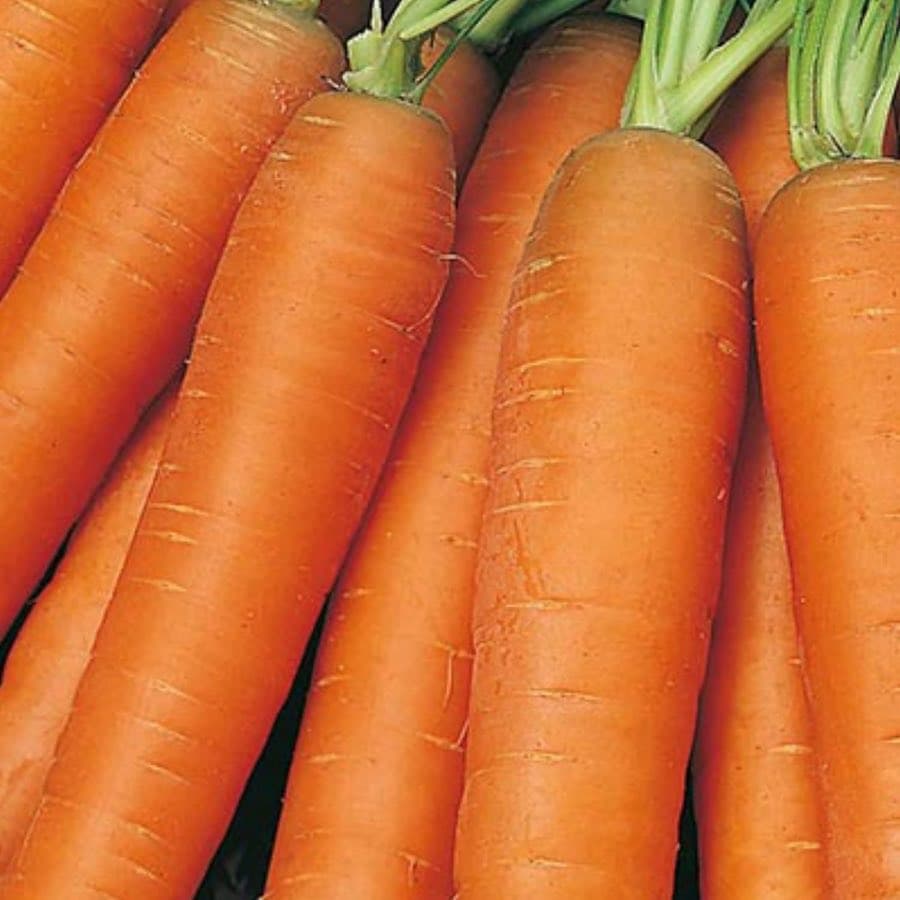
You are on amazon.co.uk with a carrot packet at about £3, and the title says organic. The material line may repeat that word, say GMO-free, or quote a Defra number. Organic carrot seeds UK shoppers meet that wording before they meet a certificate. A control-body mark is a named organic scheme on the packet, and these extracts do not show one.
Products Compared read the amazon.co.uk listings in the carrot seed comparison on 15 October 2026, plus GOV.UK’s seed-certification guidance for England and Wales, the Seed Marketing Regulations 2011, and the explanatory memorandum to those regulations. There was no laboratory germination test, and nobody photographed the packet face. A qualifying purchase through our links can earn a commission at no extra cost to you.
In short
Organic carrot seeds UK listings in this set use three different wordings, and none of the dumps shows a control-body code. Standard vegetable seed is the usual legal category, with a dark yellow supplier’s label. GMO-free, a company registration number, and the word organic in a title are three separate claims. If a scheme you belong to needs a named control body, the packet in your hand has to show it.
Carrot seed is a regulated vegetable seed
Carrot is a named vegetable species. Schedule 1 to the Seed Marketing Regulations 2011 includes Daucus carota, so carrot seed marketed in England sits inside those rules. GOV.UK’s certification page for England and Wales says a business that markets the main vegetable species needs a licence. The same page says a variety has to be on the GB and NI Variety Lists to be marketable in Great Britain. A title that names Early Nantes is pointing at a variety. The listing does not show you the list entry.
That page applies to England and Wales and links to separate guidance for Scotland. A grower who markets seed in Northern Ireland follows the Northern Ireland rules. Sowing a packet in your own beds is a different act from holding seed for sale, advertising it, or giving it away, which is how GOV.UK describes marketing. The 2011 explanatory memorandum says standard seed meets the same quality criteria as certified seed while production is not officially controlled, and that almost all vegetable seed marketed in the UK is standard seed. That describes the trade. It does not turn an Amazon attribute into an official label. Root shape, seed count, and this wording sit together in the buying guide.
Standard seed is the usual garden packet
Standard seed is the vegetable category. Regulation 5 of the Seed Marketing Regulations 2011 lists it as standard seed (vegetables only), abbreviated ST. GOV.UK says standard vegetable seed must meet analytical and varietal purity and germination standards before it is marketed. Production is not officially controlled. Do not read the yellow label as an official crop-inspection certificate.
Schedule 3 says a supplier’s label on standard seed must be dark yellow. Blue is the colour where a supplier’s label is used for certified seed. On a small package, standard seed may be marked ST. GOV.UK tells licensed businesses to produce that label themselves, in the correct colour, with print that stays put. None of that was visible in these amazon.co.uk dumps. They are titles, bullets, and attributes, not photographs.
A small package of up to 500 grams need not declare seed number on that label. Packets in this set are listed at about 10 g or 20 g, so a yellow label with no “1,000 seeds” on it can still be a lawful standard-seed label. The Amazon count is a different line, which the seed-count article follows through counted reviews. An ST mark would not make the seed organic.
Three ways these listings use the word organic
The comparison’s organic-claim row stops at what each dump shows. Three patterns cover the packets shoppers mix up. Prices and stars are the 15 October 2026 amazon.co.uk extracts. They will move. Re-check the wording on the live page.
Organic in the title, and no control-body code
Meldon Early Nantes, ASIN B0C823579C, was £3.05 with 4.1 from 31 reviews. The title says 1,000 organic seeds, and a bullet says the seeds are organically produced. No control-body name or code appears in the dump. The seller describes a blunt root. Shape sits on the Nantes and Chantenay page. £3.05 buys the variety name and the listing’s organic wording. It does not buy a Soil Association or Organic Farmers & Growers mark.
A registration number on the bullet
Just Seed’s Red Samurai F1, ASIN B01N15UTJ6, was £1.45 with 3.5 from 16 reviews. The title says 100 seeds and does not say certified organic seed. The material attribute says Organic, and a bullet cites Organic Registration AP23176 and Defra Registered 7291. One reviewer counted about 60 seeds. A thin packet and a registration line are separate.
Sugarsnax 54 F1, ASIN B00IDI3V3O, was £1.55 with 4.3 from 29 reviews and a stated 150 seeds. Its bullet cites Defra Registered 7291 and Organic Registration AP23164. The AP numbers differ. The Defra number matches. Neither figure was checked on a public register. A company registration, if it checks out, is a licence claim. It is a different fact from seed certified by a named organic body. The carrot seed comparison keeps both sentences on one row.
GMO-free on the packets that never say organic
The largest review sample is Meldon Early Nantes, ASIN B09X4S1W15, at £3.10 with 4.3 from 267 reviews. The title says 1,000 seeds and the pieces line says 2,000. There is no organic claim in the title. Attributes say GMO-free, gluten-free, and heirloom. None of those words is a control-body mark. GMO-free means the seller is saying the seed is not genetically modified. It does not name a licence or a yellow ST label. Five pence separates it from the organic-titled Nantes, and the samples do not match: 267 reviews against 31. Neither extract shows a control-body code. The best-pick page says who should skip the £3.10 packet, including anyone who needs that code.
What the listing still cannot prove
An Amazon attribute is a field the seller can set. APHA and a UK organic control body do not type it. These extracts show the words. They do not show the label colour, the letters ST, or a certification logo, because they are not pictures of the packet. When the parcel arrives, read the envelope. If the envelope is silent where the title was loud, the envelope is what you hold.
The dumps do not show a control body, so they do not support “certified organic”. The registration numbers were not checked, so they stay unverified. We did not see a dark yellow supplier’s label, so a listing is not proof of standard seed either. Mr Fothergill’s Autumn King 2, at £2.34 with 4.3 from 54 reviews, has an attribute that says Natural. Natural is another Amazon word, and it is neither organic nor ST. A star line such as 4.1 from 31 is not a germination certificate. If the title promised organic seed and the packet is a different product, use the returns route while you still have the envelope.
When you need a control body
A £1.45 or £3.05 packet for an allotment row is a shopping choice: the seller’s sentence, the variety, the count, and the reviews. You can sow it without opening organicxseeds. Organicxseeds matters when you produce under a control body and the rules expect organic plant reproductive material. A gap there starts a derogation with that body. This article did not query the database, so it does not say whether Early Nantes, Red Samurai, or Sugarsnax 54 is listed. If an inspector will ask for a code, look for a named body on the packet, such as the Soil Association or Organic Farmers & Growers.
Use APHA, not a review thread, when you want to market seed in England and Wales. GOV.UK points you to a licence, and NIAB runs certification for APHA. A missing variety on the organic seed database is your control body’s derogation. A wonky home carrot is a soil problem, on the forked-root page. A later print of B0C823579C could add a control-body code, or drop the word organic. Read the title, the material attribute, and the packet face on the day you buy. If they disagree, the packet face is what you received, and the title is what you were sold.
Common questions
Are carrot seeds regulated in Great Britain?
What is standard seed?
Does organic in the title mean the seed is certified?
Is a company organic-registration number the same as organic seed?
Does GMO-free mean the carrot seed is organic?
What is the yellow ST label?
Can I sell carrot seed I saved?
Where do organic growers check whether organic seed is available?

Products Compared publishes British-English buying guides based on amazon.co.uk listings and public UK sources. We do not run a lab and we do not invent test scores.
Related articles

How many seeds in a carrot packet: read a thin one
Titles, bullets, and counted reviews disagree. An organic line does not tell you how many seeds are in the envelope.

Carrot seed packet price UK: what the shelf figure leaves out
Shelf prices in this set ran from £1.45 to £5.82. Seed count and postage change which packet is actually cheap.

Rainbow carrot seeds: colour without new rules
Purple, red, and yellow sit beside orange. Colour does not change sowing rules, and the 250-seed title is disputed.