Independent comparisons. We may earn from shop links. More info

Cabinet heater or propane space heater

Updated: 21 October 2026

A 4.2 kW butane cabinet and a 15 kW propane heater are not the same purchase, even when the second number looks like a win. A cabinet heater or propane space heater is a choice between a radiant cabinet for a ventilated room and a direct-fired blower that puts combustion products into the air it warms. The eleven listings are on the [gas heater comparison](/hub/portable-heaters/gas-heater). Those amazon.co.uk listings were compared on 19 October 2026, not in a lab. A qualifying purchase can earn a commission at no extra cost to you.

A 4.2 kW butane cabinet and a 15 kW propane heater are not the same purchase, even when the second number looks like a win.

Our top picks

Straame Straame foldable 4.2 kW

Best value

Straame Straame foldable 4.2 kW
8.4/10about £64.99
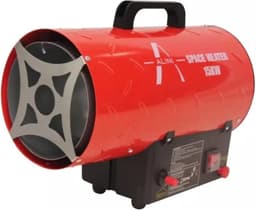
ALINI ALINI 15 kW propane blower

Alternative

ALINI ALINI 15 kW propane blower
6.5/10about £75.99
On this page

Same word, different appliance

A cabinet hides a refillable butane bottle and heats with ceramic plaques. The ones worth comparing name an oxygen depletion sensor, and the window stays open so the exhaust can leave. A direct-fired blower puts the burner in the airstream, so the warm air brings combustion products with it. That suits a leaky workshop and is a poor bargain in a living room. The ALINI attribute says indoor for a garage, warehouse or workshop. The DAHTEC limits itself to outdoors or well-ventilated non-domestic areas. Fuel and regulators are on the buying guide.

What the standards are for

BS EN 449 covers domestic flueless LPG space heaters and stops at 4.2 kW. That is the ceiling on the cabinet listings. BS EN 1596 covers mobile non-domestic direct-fired forced-convection air heaters, up to 180 kW. The blower sits in that world. A scope line does not certify a particular amazon.co.uk ASIN. The ALINI claims CE and UKCA and does not print BS EN 1596. Neither does the DAHTEC. An oxygen depletion sensor is not stated on either blower. If people sleep in the room, neither type belongs there. That limit is on the indoor safety page.

The two blowers in this set

The ALINI at about £75.99 is the mains blower. The bullets say 15 kW, the fan needs 230 V through a 3-pin UK plug, and the box includes a propane regulator and a 1.5 m hose. Stated consumption is 1.09 kg/h. Amazon.co.uk shows 4.0 from 11 reviews, and the notes call it noisy and thirsty. A power cut stops the fan. The DAHTEC at about £219 is the cordless blower: 10 kW, 0.73 kg/h, an 18 V battery, limited to outdoors or well-ventilated non-domestic areas. Four reviews are a small sample. The price gap is the battery fan.

A garage is not an automatic yes

A garage where you keep petrol is the wrong room for a cabinet. The Sealey cabinet manual for that model says not to use it where petrol vapour may be present, and a blower does not fix that hazard. HSE’s construction guidance is that combustion products from an LPG heater stay in an enclosed workspace unless you ventilate them out. A staffed workshop with vents, no petrol storage and someone awake is the case the blower is for. If the garage is also somewhere you sleep, it is neither machine.

When to choose which

Choose a cabinet for a ventilated living space on butane when the listing names an oxygen depletion sensor, flame failure and tip-over protection. In this set that is the NJ-H2 for the large review file, or the foldable Straame at about £64.99 if you accept the pilot complaints. Choose a blower only for a well-ventilated non-domestic workshop with someone awake, and only if you accept exhaust in the air. The ALINI needs 230 V. The DAHTEC does not, at more than twice the price and with four reviews.

Common questions

Is a 15 kW heater better for a living room?
No. The 15 kW listing in this set is the ALINI, a direct-fired propane blower. BS EN 449’s domestic flueless ceiling is 4.2 kW, which is where the cabinets sit. The blower puts combustion products into the air it heats. A living room wants a radiant butane cabinet with the safety devices named, and a window open, not a site heater turned down in the hope that 15 kW becomes gentle. More kilowatts of the wrong type is more exhaust.
Can I run a direct-fired blower in a closed garage?
No. The exhaust travels with the warm air. HSE guidance on LPG heaters in enclosed work spaces is that carbon monoxide builds when the space cannot lose those gases. A shut garage door is the failure mode, not a feature. The DAHTEC’s own line says outdoors or well-ventilated non-domestic areas. The ALINI’s indoor attribute still names workshop-type spaces and still needs the exhaust to leave. If you cannot describe the vent, you do not run it.
Does the blower need a socket?
The ALINI does. Its fan is 230 V with a 3-pin UK plug, so a power cut or a garage with no socket removes it. The DAHTEC’s fan is an 18 V battery, so that blower does not need mains for the fan, provided the pack is charged. The cabinets do not need a socket at all. Needing no socket does not move a blower into the living room. It only removes one obstacle in a workshop the use line already allows.
Why is the 10 kW unit £219 and the 15 kW unit £76?
The DAHTEC at £219 includes an 18 V battery fan and has four reviews. The ALINI at £75.99 needs your 230 V socket, includes a propane regulator and a 1.5 m hose, and has 11 reviews. You are paying for a cordless fan on a short review file. If a socket is already on the workshop wall, the ALINI matches the price. If it is not, the DAHTEC can run, still only in a ventilated non-domestic space.
What about petrol stored in the same garage?
Do not run a cabinet where petrol vapour may be present. A blower is not the alternative for that hazard. Move the petrol, or do not light either heater. A sealed garage is already ruled out for the blower because the exhaust travels with the warm air. If the garage is a dry store with no fuel cans and a door you will leave open, say that plainly, then pick the type. If you cannot say it, leave the heater off.

Related pages

Sources

Public UK sources on gas safety, LPG and carbon monoxide. Listing prices, stars and review counts are from amazon.co.uk on 19 October 2026.

  1. Gas Safety (Installation and Use) Regulations 1998 (retrieved 19 October 2026)
  2. HSE — Safety in the installation and use of gas systems and appliances (L56) (retrieved 19 October 2026)
  3. HSE — Gas safety checks for landlords (retrieved 19 October 2026)
  4. HSE — Carbon monoxide on construction sites (retrieved 19 October 2026)
  5. NHS — Carbon monoxide poisoning (retrieved 19 October 2026)
  6. Liquid Gas UK — butane cabinets, BS EN 449 and hoses (retrieved 19 October 2026)
  7. Calor — The difference between butane and propane (retrieved 19 October 2026)
  8. Calor — Guidelines for the safe use of mobile heaters (retrieved 19 October 2026)