Independent comparisons. We may earn from shop links. More info

Ceramic heater vs oil filled radiator

Updated: 21 October 2026

You are choosing a heater for one room on a cold evening. A ceramic heater vs oil filled radiator decision is about how fast the room feels warm, how much fan noise you will hear, and whether you want heat that stops when you switch off. It is not about a cheaper unit of electricity. Public UK guidance and the review notes in this ceramic set, as of 19 October 2026, are the basis here. An oil-filled radiator was not lab-tested alongside these twelve listings. A qualifying purchase can earn a commission at no extra cost to you. The ceramic rows are on the [ceramic fan heater comparison](/hub/portable-heaters/ceramic-fan-heater).

You are choosing a heater for one room on a cold evening.

Our top picks

On this page

What each heater actually does

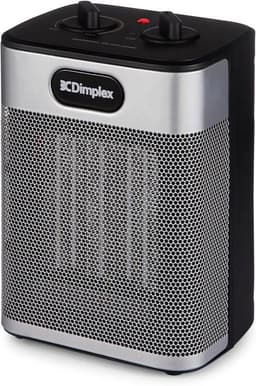
A ceramic fan heater blows air across a ceramic element, usually described as PTC, and the air in front of the grille warms in seconds. Reviewers of the white Atom say a bedroom feels warmer quickly, then cools sooner than an oil-filled radiator they already own. An oil-filled radiator heats a body of oil, then the metal surface warms the room more slowly, mostly without a fan. Ideal Home’s explainer, a buying article rather than a score, puts it plainly: the fan heater is the fast warm-up, and the oil-filled radiator is the heat that lingers after you switch it off.

The bill is the watts

While the element is drawing power, a 2000 W ceramic fan heater and a 2000 W oil-filled radiator cost the same per hour. The Centre for Sustainable Energy’s advice is that electric room heaters turn the electricity they use into heat, so ceramic, PTC or oil does not create a cheaper form of electricity. You pay for the kilowatt-hours the element actually used. ECO changes how hard the ceramic heater runs. It is not evidence that ceramic beats oil on the unit rate. Ofgem’s GB average Direct Debit electricity rate for 1 October to 31 December 2026 is 26.32 p per kilowatt-hour. Energy UK puts electric heat at about 26.3 p per unit and heat from a gas boiler at about 9.4 p per unit. The hour-by-hour figures are on the ceramic fan heater running cost page.
DREO Dreo Atom 316 1500 W (White)

Testsieger

DREO Dreo Atom 316 1500 W (White)
8.6/10about £42.49

Noise, dust and how fast it cools

The fan is why a ceramic heater is quicker, and why a bedroom may prefer oil. Reviewers call the Atom’s low setting quiet enough for television and still refuse to call it silent. The DQ075 is noisy on high. An oil-filled radiator has no fan in the ordinary design, so the room stays quieter. Ideal Home also notes dust in the airstream of a fan heater.

When to pick which

Pick the ceramic fan heater when you are in the room for a short time, you want heat in the first minute, and you can live with a fan. Within this set, the white Atom is the top pick for that small-room job, and the DQ075 is the best value if about £9.90 and a dial are enough. Timers and cut-outs are on the ceramic fan heater buying guide. Pick an oil-filled radiator when you want quieter background heat for a longer sit, and you will wait for the surface to warm. Do not pick either for a bathroom. If the fan heater is the one you take home, where it stands is on the how to use a ceramic fan heater page. Twenty minutes in a chair favours the fan. A quiet afternoon in the same room favours oil.

Common questions

Which heats a room faster?
The ceramic fan heater. It blows warmed air as soon as the element is up to temperature, which reviewers contrast with waiting for central heating or for an oil-filled radiator they already own. The oil-filled radiator catches up more slowly and then holds surface heat after the element cycles. Faster does not mean cheaper. A 2000 W fan and a 2000 W oil radiator draw the same power while each element is on.
Which is cheaper to run?
Whichever uses fewer kilowatt-hours, not whichever says ceramic or oil. The Centre for Sustainable Energy and Energy UK both treat electric room heaters as the same kind of cost at the same kilowatts. A fan heater that you run for twenty minutes can cost less than an oil-filled radiator you leave cycling all evening. The oil-filled radiator is not a lower unit rate. Compare the wattage on the rating plate and the hours you will actually leave it drawing power.
Which is quieter?
The oil-filled radiator, in the usual design, because it has no fan. Ceramic fan heaters in this set are audible. The Atom’s low setting is described as acceptable beside a television, the DQ075 is noisy on high, and claimed decibel figures were not measured here. If a bedroom needs quiet more than instant heat, oil-filled is the type to look at, still with the same overnight rule as any other portable heater.
Which should I use for an evening in one room?
Use the ceramic fan heater if you will sit in the warm airstream and switch it off when the evening ends. Use the oil-filled radiator if you want the room to feel steadily warm and you dislike fan noise. Either can cost less than heating the whole house on gas only if the rest of the system is turned down. Energy UK’s gap, about 26.3 p for a unit of electric heat against about 9.4 p from gas in this cap window, still applies to the room you are heating.
Which holds heat after I switch it off?
The oil-filled radiator. The oil and the metal casing keep releasing heat after the element stops. A ceramic fan heater, as Atom reviewers notice against their own oil radiators, cools quickly once the fan stops. That is useful when you are leaving. It is the wrong behaviour if you wanted the corner to stay warm through a short absence. You already paid for the heat that is still in the oil.

Related pages

Sources

Public UK sources for the plug, clearance, the unit rate and the cost of electric heat. Listing prices, stars and review counts are the amazon.co.uk figures in this set. Shelf date 19 October 2026.

  1. Electrical Safety First — Portable heaters (retrieved 19 October 2026)
  2. Electrical Safety First — Bathroom (retrieved 19 October 2026)
  3. Ofgem — Energy price cap, 1 October to 31 December 2026 (retrieved 19 October 2026)
  4. GOV.UK — Placing energy-related products on the UK market (retrieved 19 October 2026)
  5. GOV.UK — Updating standards for local space heating products (retrieved 19 October 2026)
  6. Centre for Sustainable Energy — Room heaters (retrieved 19 October 2026)
  7. Energy UK — Room heating calculator (retrieved 19 October 2026)
  8. North Yorkshire Fire and Rescue — Heating your home (retrieved 19 October 2026)