Independent comparisons. We may earn from shop links. More info

Insect hotel refill tubes: how to swap straws safely

Updated: October 2026

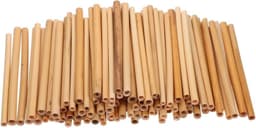
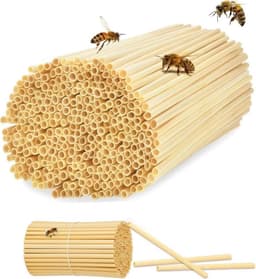
You already own an insect hotel, perhaps a wooden frame on a fence or a bought box whose paper or reed inserts have greyed after a season. Now you need loose nesting tubes from amazon.co.uk without accidentally ordering fountain bamboo. This page walks through refill timing, rear sealing, diameter checks, and bird predation fixes for the five bee nesting listings in our [Bamboo tubes](/hub/plant-accessories/bamboo-tubes) comparison. Water-channel pairs are out of scope. If you see fifty-centimetre chutes in your basket, stop and read the [water channel](/hub/plant-accessories/bamboo-tubes/sub/bamboo-tubes-water-channel) page instead.

You already own an insect hotel, perhaps a wooden frame on a fence or a bought box whose paper or reed inserts have greyed after a season.

Our top picks

On this page

When to replace tubes and what charities advise

Solitary bees and many wasps use tunnels for one generation per tube. Old mud plugs, mould, or parasitoid activity mean tubes should be refreshed. The Bumblebee Conservation Trust and Wildlife Gardening Forum recommend replacing or cleaning nesting media every year or two, storing hotels under cover in winter, and keeping tunnels dry with a roof overhang rather than glossy exposed décor. Late-season swaps can still work. One UK review on TOYANDONA in our file reports bees occupying new reed straws immediately after a late refill. That is a single anecdote, not a guarantee for your garden. Plan swaps in autumn after activity slows, or in early spring before nesting peaks, and discard tubes that look contaminated rather than recycling them indefinitely. If your hotel came with fixed bamboo blocks, you may not need loose straws at all. This guide targets modular hotels with removable inserts, which is what the hundred-count packs here are for: GANAZONO, MAGICLULU, BOBOZHONG, TOYANDONA, and Beavorty.

Measuring bore and depth before you buy

Imported hotels often advertise mason bee holes that do not match UK species mixes. Before you open a refill pack, measure the internal diameter and depth of existing tubes or drillings with calipers. UK guidance cites roughly fifteen centimetres depth where possible and a spread of about two to ten millimetre bores, with many red mason bee plans near eight to ten millimetres. Listing claims in this set vary. MAGICLULU quotes five to eight millimetres at fifteen centimetres, and UK reviews frequently say too small for their hotel. BOBOZHONG lists three to five millimetre inner bores on twenty-centimetre wheat stems you can trim. GANAZONO mentions about seven point nine millimetres outer. TOYANDONA and Beavorty cite half to eight millimetre inner ranges. A mismatch produces empty hotels and frustrated buyers, not lazy bees. Length matters alongside bore. Fifteen-centimetre packs align with charity depth guidance. BOBOZHONG allows cutting twenty-centimetre stems toward ten to fifteen centimetres if you square the cuts and remove splinters. Tubes shorter than guidance weaken nesting for some species. Tourist hotels with very wide short holes are weaker habitat regardless of brand. For material choice between reed, wheat stem, and true bamboo sleeves, see reed versus bamboo. For pack-level picks, see best bee nesting tubes.

Installing loose straws with a closed rear

Loose refills never include a closed back. Bees need a blind tunnel: open front, sealed rear. Slide straws into the hotel block until they sit flush against the back board or solid rear panel. If the frame is open at both ends, add a plywood or thick card back screwed to the hotel body. Card alone may warp in rain. Pack tubes tightly enough that they do not slide forward when wind shakes the hotel, but not so tight that you crush the hollows. UK reviews on MAGICLULU mention blue tits pulling tubes out entirely. Fixes include a deeper inset within the box, a narrow mesh across the face that bees can pass but tits cannot grip, repositioning away from bird feeders, or a hotel with a recessed cavity rather than straws flush with the front edge. Inspect shipments for crushed straws. TOYANDONA’s file includes a report of roughly ten damaged tubes in a thin bag mailer. Discard cracked sections before insertion. GANAZONO’s material row conflicts with reed marketing. Verify you received hollow stems, not flattened cardboard rolls.

Seasonal workflow in a UK garden

In autumn, after nesting finishes, store the hotel in a cool shed or garage with tubes still inside if they are dry, or remove and discard used straws and store the empty frame. Some keep hotels outdoors under an eaves with a rain lip. Others bring them in to reduce mould. Avoid heated rooms that trick bees into early emergence. In spring, insert fresh straws before the first warm spells. Red mason bees often appear from March onward, depending on region. Mount the hotel south-east facing if possible, with morning sun and afternoon shade, and keep flight paths clear of swinging doors or busy paths. Label the year on the hotel back if you run multiple boxes in a school or allotment. BOBOZHONG’s three hundred stems suit bulk community refills if the bore matches your drilled blocks after trimming.

Matching packs to hotel types

Drop-in reed hundred-packs (GANAZONO, MAGICLULU, TOYANDONA, Beavorty) suit standard insect hotel cavities designed for fifteen-centimetre straws. Measure first. Our top pick GANAZONO is not magic if your holes expect wider mason sleeves. Cuttable wheat stems (BOBOZHONG) suit DIY blocks you drill yourself, or community builds where you control bore by which stems you keep and how you trim them. Narrow three to five millimetre inner claims exclude many mason setups unless you combine them with wider drilled holes elsewhere in the same hotel for species diversity. None of these packs replace a roof. If rain soaks the tubes, occupancy drops regardless of brand. If you are still choosing bore, use the sizing section of the buying guide.

Common questions

Do refill packs include a bee house?
No. All five nesting listings are loose straws only. You supply the hotel frame, rear seal, and shelter.
How many tubes do I need?
One hundred tubes fill many small commercial hotels once. Large multi-block walls may need two packs. BOBOZHONG’s three hundred count suits group builds if the bore fits.
Can I mix reed and wheat stems in one hotel?
You can mix bores for species diversity if each tunnel meets depth and diameter rules and shares a closed rear. Do not mix in water-channel bamboo chutes. Those belong in fountains.
Why did bees ignore my new tubes?
Common causes are bore mismatch, an open rear, wet exposed placement, old parasitised tubes left in place, or season timing. Reviews cannot predict your garden’s species mix.
Will birds steal my tubes?
It is possible. UK buyers report tits removing loose straws. Recess the tubes, add protective mesh, or move the hotel.
Are plastic straws acceptable refills?
Wildlife charities discourage non-breathable plastic in hotels. Stick to plant stems you have checked on delivery.
Which refill should I order from this comparison?
See best bee nesting tubes, linked above, for the top pick and best value among the seven listings. Water channels are listed separately and are not refills.

Related pages

Sources

Public UK sources used for this page. Shelf prices, stars and review counts are the amazon.co.uk figures captured for these listings. Last checked 22 October 2026.

  1. Bumblebee Conservation Trust — solitary bee nest boxes (retrieved 22 October 2026)
  2. Wildlife Gardening Forum — bee hotels (retrieved 22 October 2026)
  3. Bumblebee Conservation Trust — winter husbandry (retrieved 22 October 2026)
  4. Ark Wildlife — mason bee tubes (retrieved 22 October 2026)
  5. Primrose — shishi-odoshi overview (retrieved 22 October 2026)