Independent comparisons. We may earn from shop links. More info

Bed bug interceptor vs glue trap

Updated: 22 October 2026

You are on amazon.co.uk with two photographs that both say bed bug trap, and one of them is a cup while the other is a sticky square that says killer. A bed bug interceptor vs glue trap choice is a choice of mechanism: a pitfall under every leg, or adhesive that only works if an insect walks onto it. For a bed you can isolate, the interceptor is the default. Glue is a weaker monitor that still has a narrow use. Prices are on the [bed bug trap comparison](/hub/pest-control/bed-bug-trap). The saved listings were checked on 22 October 2026. No catch trial was run. A qualifying purchase can earn a commission at no extra cost to you.

You are on amazon.co.uk with two photographs that both say bed bug trap, and one of them is a cup while the other is a sticky square that says killer.

Our top picks

On this page

Two different jobs

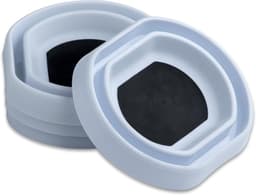
An interceptor is a moat. The insect climbs a rough outer wall because that is the route onto the leg, then meets a smooth inner face and falls into the well. You need one per leg, the bed pulled off the wall, and bedding that does not touch the floor. Miss any of those and the plastic is a coaster. A glue trap is contact. The insect has to step on the adhesive and stay there. EcoPest's 12-pack at £13.49, Zero In's paper boards at £6.17, and Rentokil's case at £6.95 are glue. Rentokil's own copy says under the mattress or behind furniture. That is not a substitute for four cups, even though the title says killer. Glue titles in this set still say killer. The photograph shows card and adhesive.

What professionals say about glue

The British Pest Control Association has written that cockroach-style sticky traps were generally ineffective for bed bugs in the monitors they tried, and that pitfall designs did better. None of the ten listings here is an active heat or carbon dioxide device. A glue board on amazon.co.uk is the passive sticky type BPCA was unimpressed by. The British Association of Dermatologists says sticky tape does not work well and points people to interceptors under each leg. A full board can mean woodlice, spiders, fleas, or moths. Glue can catch bed bugs. It does not do it reliably enough to be the default on a legged bed.

When interceptors are the clearer buy

Choose cups when the bed has legs or castors you can lift, and when you will actually isolate the frame. The EcoPest white 4-pack is the top pick in this comparison for one bed: £15.49, 4.0 from 3,300 reviews, reusable, no talcum required on the listing. Puratak at £11.99 adds a rubber mat and a smaller review file, 4.2 from 197, and is the best value if the frame slides. The 8-pack is for two beds at £27.99. A cup still fails in predictable ways. Dust fills the well; an EcoPest white review says clean about every two weeks. A duvet on the floor, or insects already in the mattress, produce bites with an empty moat. Those limits are not reasons to swap a four-leg bed onto glue because the glue title sounds more aggressive. A flat glue pad beside a castor is not a cup.

When glue still ends up in the basket

Glue is what you buy when there is nowhere to put a cup. A drawer divan, a bed bolted to a wall, or a headboard you cannot move leaves the interceptor job unfinished. EcoPest glue reviews mention boards that fit under a drawer divan. Rentokil's case is written for the gap behind furniture. That is a weak check you can live with for a fortnight while a contractor is booked. It is not four cups in disguise. Zero In glue at £6.17 and Rentokil at £6.95 undercut most cups. EcoPest's 12-pack at £13.49 shares its 2,130 reviews with the 20-pack, so twenty boards are not a better test. If you are still bitten, contact the council or a pest controller.

Common questions

Are glue traps good for bed bugs?
They are a weak monitor. The British Pest Control Association found ordinary sticky traps generally ineffective compared with pitfall designs, and the British Association of Dermatologists says sticky tape does not work well. UK reviews in this set include real catches and insects that turned away or walked out. A glue board can tell you something walked there. It should not be the only tool on a bed that has legs.
Can I put glue under the bed legs instead of cups?
You can place a board beside a leg. You cannot surround the leg with a flat pad the way a cup does. Insects use any leg you leave open, and they can miss a square of adhesive entirely. The interceptor listings are the products built for that job. Glue under a castor is a hope that the insect's path happens to cross the glue.
Why do the boards catch spiders and woodlice?
Because the adhesive is not specific. Rentokil's listing says the case also catches crawling insects, spiders, and moths. A published monitor study found cockroaches dominating sticky catches in flats. A hotel reviewer of EcoPest glue caught small insects that were not bed bugs. Count those as something moving, not as identification, and do not treat a spider as proof the bed is the problem or that it is safe.
Does glue work if the bugs are already in the mattress?
Poorly. Insects feeding in the seams do not have to cross a board on the floor. The same limit hits a cup if you have not dealt with the mattress. Glue behind the headboard might meet a few travellers. It will not empty a seam. Laundry at 60°C and professional help are the response to insects you can already see on the bed.
Is the word killer on the glue meaningful?
Not as a description of what these boxes do. The titles say killer or treatment, and the contents are adhesive monitors. The Health and Safety Executive separates monitoring claims from kill or control claims. Zero In's glue page even points you to a different spray if you want to treat an infestation. Buy the glue as a sticky check, or buy something else.

Related pages

Sources

Public UK sources used for this comparison. Shelf prices, stars and review counts are the amazon.co.uk figures captured for these ten listings on 19 October 2026. Last checked 22 October 2026.

  1. NHS, Bedbugs (retrieved 19 October 2026)
  2. GOV.UK, Report a pest problem (retrieved 19 October 2026)
  3. HSE, Insect monitoring traps (retrieved 19 October 2026)
  4. British Association of Dermatologists, Bedbugs (retrieved 19 October 2026)
  5. British Pest Control Association, bed bug monitors (retrieved 19 October 2026)
  6. Bed Bug Foundation, European Code of Practice v2 (UK PDF) (retrieved 19 October 2026)
  7. Insects, passive bed bug monitors (PMC6628081) (retrieved 19 October 2026)