Independent comparisons. We may earn from shop links. More info

How to use bed bug interceptors under a bed

Updated: 22 October 2026

You have four plastic cups and a bed you can still move, and the next mistake is leaving a duvet, a cable, or a bare leg as a bridge. This is how to use bed bug interceptors so the moat is the only path up and down. It is not a ranking of brands. Which cup to buy is on the [bed bug trap comparison](/hub/pest-control/bed-bug-trap). Peter F., editor for DIY & tools at productscompared.co.uk, checked this on 22 October 2026 using the British Association of Dermatologists, the NHS, and the Bed Bug Foundation's European Code of Practice. The cups were not installed in a test house. A qualifying purchase can earn a commission at no extra cost to you.

You have four plastic cups and a bed you can still move, and the next mistake is leaving a duvet, a cable, or a bare leg as a bridge. This is how to use bed bug interceptors so the moat is the only path up and down.

Our top picks

On this page

Before you put the cups down

Move the bed so nothing touches the wall, the skirting, or a bedside table. A headboard screwed to the wall is a ladder no cup can see. If you cannot unscrew it, the bed is not isolated. Pull the frame out far enough that a duvet cannot sag onto the carpet. The British Association of Dermatologists says bedding must not bridge the interceptor, and that you should keep sleeping in the bed so insects travel. Strip and contain what you can wash. The NHS advice is a 60°C wash and a hot tumble dry for items that will stand it. Bag the dirty linen before you carry it through the hall. Do not dust insecticide into the cup unless that product's own label tells you to.

Fitting a cup on every leg

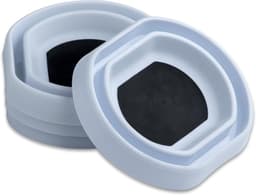
One interceptor goes under every leg or castor that touches the floor. A four-leg double needs four cups. Two cups feel tidy and leave half the frame as an open path, so the set fails even if the plastic is good. The EcoPest white listing is a 4-pack for that reason. The black 8-pack is the two-bed box. Set the leg in the middle of the cup so it does not touch the outer wall and does not sit in the moat. The insect should have to climb the textured outside and then fail on the smooth inner face. That is the pitfall the Bed Bug Foundation's code describes, and dust on that smooth face is what ruins it. If the leg is wider than the opening, do not balance the frame on the rim. On carpet, seat the cup flat. Puratak is the only listing here that names a rubber mat.

Bridges that skip the moat

The duvet is the usual bridge. If it reaches the floor, insects walk up the fabric and never meet the plastic. Tuck it onto the mattress. A bed skirt does the same job as a duvet tail. Cables are the second bridge: a charger, a lamp lead, a heated-blanket flex. Route them so they do not touch both the floor and the frame. Bags, laundry hampers, and a suitcase left against the side of the bed are bridges. The wall is a bridge when the headboard or the mattress touches it. The EcoPest white bullets say no talcum is required. If you still find insects on the sheets, they may never have used the leg.

Check, clean, and read what you find

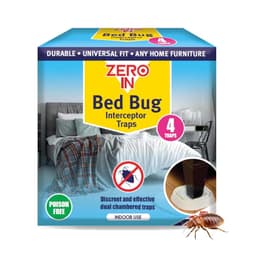
Look every day for the first fortnight, then about once a week. EcoPest white reviewers clean about every two weeks because dust stops the well working. Wipe or rinse reusable cups. Zero In's interceptor bullets specify warm soapy water. Dry the smooth face before the cup goes back, and put the leg in the centre again. If you catch an insect, slide it into a sealed container so someone can identify it. A spider or a flea in the moat is not confirmation of bed bugs. One insect is a reason to contact the council or a pest controller. Keep sleeping in the bed while the legs stay isolated, which is the BAD advice, unless a contractor tells you otherwise. When the cups stay empty for weeks, you only know that this path was quiet.

Common questions

Do the sheets have to stay off the floor?
Yes. Anything that joins the bed to the floor or the wall is a bridge, and the cups then monitor a path the insects are not using. Tuck the duvet up, lose the bed skirt for now, and keep chargers off the frame. The British Association of Dermatologists states the bedding point directly. A cup under a bridged leg looks installed and is not working.
Are two cups enough?
No, not on a bed with four legs on the floor. Each leg is a separate route. The 4-packs in this comparison exist for one bed; the EcoPest 8-pack is for two beds. A centre support that reaches the carpet needs its own cup. Two cups are a gap, not a budget version of the method.
How often should I check and clean?
Daily for the first two weeks, then weekly, and sooner if you see dust. A UK review of the EcoPest white cups says about every two weeks or the dusted well stops working. Rinse with warm soapy water where the listing says so, as on Zero In ZER985, and dry the inner face. Take a photo when you start so later empty days have a date attached.
The traps are empty. Does that mean there are no bed bugs?
No. Empty can mean a quiet leg, a bridge you missed, dust in the well, or insects that are already in the mattress and never climb. UK reviewers report empty cups on beds where people were still bitten. Treat a long empty run with no bites as a hopeful sign, and treat live insects or spotting as a reason to contact the council or a contractor.
The cups slide on the carpet. What now?
Seat them flat and check after the first night. Puratak is the only set here that states a rubber mat. EcoPest black and Zero In reviews both mention movement on carpet. If the frame hops the rim when someone sits down, the monitor is intermittent. A mat does not fix a leg that is too wide for the cup.

Related pages

Sources

Public UK sources used for this comparison. Shelf prices, stars and review counts are the amazon.co.uk figures captured for these ten listings on 19 October 2026. Last checked 22 October 2026.

  1. NHS, Bedbugs (retrieved 19 October 2026)
  2. GOV.UK, Report a pest problem (retrieved 19 October 2026)
  3. HSE, Insect monitoring traps (retrieved 19 October 2026)
  4. British Association of Dermatologists, Bedbugs (retrieved 19 October 2026)
  5. British Pest Control Association, bed bug monitors (retrieved 19 October 2026)
  6. Bed Bug Foundation, European Code of Practice v2 (UK PDF) (retrieved 19 October 2026)
  7. Insects, passive bed bug monitors (PMC6628081) (retrieved 19 October 2026)