Independent comparisons. We may earn from shop links. More info

Best wood wax for furniture: a practical buying guide

Updated: October 2026

A tired oak sideboard, an unsealed pine shelf and a chipped laminate worktop can all appear in a search for the best wood wax for furniture, yet they need three different products. Before comparing tins, decide whether you want to nourish a surface, add colour or fill damage. Our [wood wax comparison](/hub/paints-and-varnishes/wood-wax) shows the current amazon.co.uk options and prices; this guide explains which form belongs on which job. The useful first question is not “Which brand is best?” but “What is already on the wood?”

A tired oak sideboard, an unsealed pine shelf and a chipped laminate worktop can all appear in a search for the best wood wax for furniture, yet they need three different products.

Our top picks

On this page

What you are actually buying

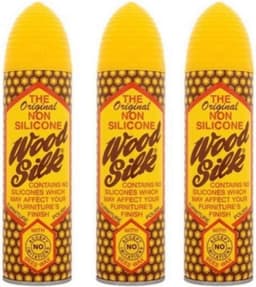
“Wood wax” covers products with very different jobs. A beeswax paste is rubbed onto bare or previously waxed interior timber, allowed to dull and then buffed. A gel such as Howard Feed-N-Wax is a ready-to-use conditioner for dry furniture, while a spray such as Aristowax Wood Silk is intended for quick maintenance of finished surfaces. Neither should be confused with a coloured wax stick, which fills a chip but does not polish a table. Use paste or gel on manageable furniture, a suitable liquid on broad compatible timber, spray only on a finish that permits it, and filler sticks only on local damage.

Bare wood, sealed wood or a chip

Bare timber can absorb and hold a compatible paste, but a glossy lacquer may give wax little purchase. In this comparison, Ronseal medium-oak beeswax is intended for untreated interior wood. A UK reviewer who tried it on a lacquered table found it ineffective, which is a useful warning against treating “wood” as the only compatibility test. Finished furniture may instead need cleaning and a light maintenance coat. Howard Feed-N-Wax is listed for finished and unfinished interior wood and uses a gel of beeswax, carnauba and orange oil. Aristowax is a silicone-free spray for furniture, doors and panelling, but a retailer page for Wood Silk says not to use it on unsealed wood. A chip changes the answer completely. GRAIN GUARD sticks are softened, pressed slightly proud of the defect and scraped level.
Howard Howard Feed-N-Wax 473 ml

Testsieger

Howard Howard Feed-N-Wax 473 ml
9.0/10about £15.99

Clear wax or a medium-oak tint

Clear does not mean invisible in every condition, but it normally preserves the timber’s underlying colour more closely than a named oak shade. Howard’s gel is presented as a clear nourishing treatment, making it the more logical option when you like the existing colour and only want to revive a dry-looking surface. Always test underneath or at the back first because oils and waxes can deepen grain and make pale timber appear richer. Ronseal medium oak is deliberately different. It adds a brown, warmer tone to untreated interior wood, and more product or repeated coats can deepen the effect. One reviewer found the result yellower than wanted. If colour preservation matters more than convenience, compare the clear and tinted choices in our best wood wax picks before ordering.

What the amazon.co.uk prices buy

In this comparison snapshot, ready-made furniture treatments run from roughly £7 to £17. Aristowax is listed at £7.19 for a pack of three, although its page conflicts between 75 ml and 225 ml, so check the current quantity. Howard costs £15.99 for 473 ml, while the 400 g Ronseal medium-oak paste is £16.49. Very low price can conceal a very small pack. The Haisanka tin costs £3.99 but is described as only 25–30 g, and UK reviewers say it is too small for larger jobs. Estimate the surface area or number of defects instead of comparing ticket prices alone. For a dining table that sees water every day, read wood wax versus wood oil. For a board or spoon, use the separate food-contact wood wax guide, because beeswax in the ingredients does not establish food suitability.

Common questions

Do I want a paste, gel or spray?
Choose paste for compatible bare or previously waxed interior wood, gel for wiping over dry furniture where the maker allows it, and spray for quick maintenance of suitable finished surfaces. Check the label because drying times and exclusions differ. A chip needs a filler stick rather than any of these polishing forms.
Can I wax lacquered furniture?
High-gloss lacquer generally gives traditional beeswax little purchase, and a UK review found the Ronseal paste ineffective on a lacquered table. A compatible maintenance polish may be allowed by the furniture maker, but do not assume a bare-wood wax will work. Test discreetly and stop if the coat smears or fails to level.
Is clear wax completely colourless?
Clear wax contains no deliberate oak tint, but it can still deepen grain or make dry timber look richer. Test on an unseen area and let it settle before judging. Medium-oak products intentionally add colour and can look yellower or darker depending on the wood beneath.
Are repair wax sticks furniture polish?
No. Repair sticks fill small chips and gouges, after which you scrape the excess level. They do not create an even sheen across a tabletop and may remain visible in angled light. Fine scratches may respond better to a carefully matched marker, while structural damage needs a proper repair.
Is a small cheap tin good value?
Only if it covers your job. A 25–30 g tin may be enough for a test patch or tiny object but poor value for a table, door or floor. Compare grams or millilitres, compatibility and likely coverage rather than the shelf price alone.
Should I wax a kitchen worktop?
Not by default. Plain furniture wax is a weak choice where water, heat and repeated wiping are normal, and a food-preparation surface adds a separate food-contact requirement. Consider oil or hardwax oil for suitable worktops and use only a treatment expressly documented for food-contact wood where food will touch it.
Why does review count matter?
A larger record makes repeated strengths and faults easier to identify, although it never proves a product suits your surface. Two five-star reviews can be genuine but reveal little about colour variation, long-term wear or failed applications. Treat stars as customer feedback, not a laboratory test.

Related pages

Sources

Public UK sources and maker pages used for the limits on this page. Prices, stars and review counts are the amazon.co.uk listing figures for the ten products compared here.

  1. VOC in Paints, Varnishes and Vehicle Refinishing Products Regulations 2012 (retrieved 17 October 2026)
  2. GOV.UK — food contact materials authorisation guidance (retrieved 17 October 2026)
  3. HSE — The GB CLP Regulation (retrieved 17 October 2026)
  4. HSE CIS27 — Solvents (retrieved 17 October 2026)
  5. Ronseal — how to wax furniture (retrieved 17 October 2026)
  6. Colron beeswax (retrieved 17 October 2026)
  7. Howard Products — Feed-N-Wax food-safe FAQ (retrieved 17 October 2026)
  8. Gilboys — how to use beeswax polish (retrieved 17 October 2026)