Independent comparisons. We may earn from shop links. More info

How to clean a wood floor without soaking it

Updated: October 2026

If you are about to mop engineered oak, the useful sequence is simple: remove dry grit, use the matched cleaner with a barely damp pad, and let the floor dry without another wet pass. Knowing how to clean a wood floor is less about scrubbing power than controlling water, dose and frequency. This page assumes you already have a cleaner approved for the finish; use our [wood floor cleaner comparison](/hub/paints-and-varnishes/wood-floor-cleaner) if you still need a product, or the [buying guide](/hub/paints-and-varnishes/wood-floor-cleaner/sub/wood-floor-cleaner-buying-guide) if lacquer, oil and laminate are being treated as one surface.

If you are about to mop engineered oak, the useful sequence is simple: remove dry grit, use the matched cleaner with a barely damp pad, and let the floor dry without another wet pass.

Our top picks

On this page

Dry first

Start by picking up grit, crumbs and hair with a soft broom, microfibre dust mop or vacuum set up for hard flooring. Check that the vacuum head has no trapped stone and that a rotating brush will not mark the finish. Grit dragged under a damp mop acts like abrasive, so wetting the room before this step turns an easy clean into unnecessary rubbing.

Damp, then leave it

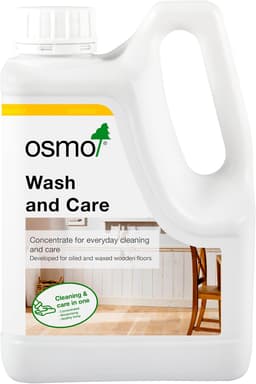
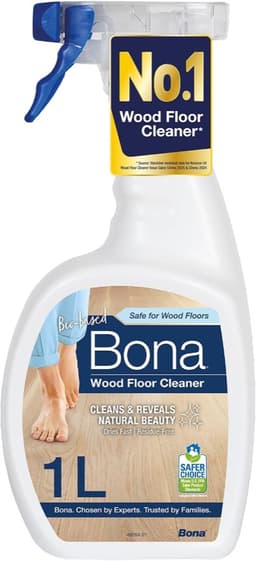
Read the bottle before filling a bucket. Ready-to-use sprays and squeeze liquids are applied neat unless their current label says otherwise; concentrates need their own measured dose. Osmo’s sheet gives about 15 ml of Wash and Care in 2 litres of water, but that is not a universal wood-cleaner recipe. If a retailer page and the delivered bottle disagree, follow the current bottle or ask the manufacturer rather than averaging the figures. Use a clean microfibre pad and wring it until it feels damp, not wet. With a spray, mist a manageable section rather than coating the whole room. With a bucket solution, the mop should not drip on the way from bucket to floor. Bona’s technical guidance also warns against leaving a wet pad face down on the floor.

Steam and vinegar

Do not assume that owning a steam mop makes it suitable for timber. Steam introduces heat and moisture at joints, and UK flooring guidance commonly rejects it for solid and engineered wood. Some appliance guidance allows steam on certain sealed hard floors, but the floor manufacturer—not the mop marketing—decides whether your exact construction and finish can tolerate it. Unless the floor’s written care instructions explicitly permit steam, use the damp-mop method instead. If your oak-look floor may be laminate, follow the laminate-specific cleaner guide and do not treat a reviewer’s steam-mop habit as manufacturer permission. Vinegar is not a safe universal alternative. Finished-floor makers warn against acidic or unsuitable household mixtures because repeated use can dull or weaken a coating.

When mopping is the wrong job

Dullness has several possible causes. It may be dried cleaner film, fine scratching in a lacquer coat, or an oiled finish that needs maintenance rather than washing. White areas near a sink can be residue, water damage or finish failure. The oiled versus lacquered guide helps separate routine cleaning from finish care, but it is not a refinishing manual. Stop and contact a fitter or floor-care professional when board edges have lifted, boards are cupping after a leak, lacquer is flaking, black staining follows water ingress or the finish cannot be identified. Ground-in wear will not disappear because you mop harder. Isolate an active leak immediately and photograph the damage; cleaning can wait until the moisture source and construction are understood.

Common questions

Do I vacuum before I mop?
Yes. Remove grit with a hard-floor vacuum head, soft broom or dry microfibre mop before adding moisture. Check the head and furniture pads for trapped stones. This prevents abrasive particles being dragged through the finish and lets the damp pad deal with film and light soil rather than loose debris.
How wet is too wet?
The mop is too wet if it drips, leaves puddles, pushes a visible line of water or leaves joints wet while the open surface dries. Wring a bucket mop thoroughly or mist one small section with a spray. Stop if water collects at bevels, thresholds or damaged board edges.
How often should I mop engineered oak?
About once a week is a common maximum for routine damp cleaning in an occupied home, while dry cleaning can happen more often. A lightly used room may need less. Follow the floor maker’s schedule and spot-clean spills rather than wet-mopping the entire room whenever one mark appears.
Can I use the steam mop I already own?
Only if the manufacturer of the exact floor explicitly allows it. Flooring and installer guidance commonly refuses steam on engineered and solid wood because heat and moisture can affect joints and finishes. A steam-mop maker’s broad “sealed floor” claim does not override the floor warranty or care sheet.
Should I rinse with clean water?
Follow the cleaner label. Ready-to-use and no-rinse products normally should not receive an automatic second wet pass. If residue remains, first check for overdosing and consult the finish maker’s instructions before using a lightly damp clean pad. Do not improvise with vinegar or mix another cleaner in.
What if the floor is sticky the next day?
Stop adding detergent and inspect the dose, product type and pad. Residue from too much cleaner is common, but stickiness can also come from an incompatible formula or damaged finish. Test the maker-approved correction in a hidden area; seek professional advice if the surface changes colour or softens.
When should I call a floor fitter?
Call when boards cup or swell, joints lift, lacquer flakes, dark water staining develops, or the finish is unknown and a whole-room treatment would be risky. A professional should also assess dullness that remains after correct cleaning, because worn protection may need maintenance or refinishing rather than stronger detergent.

Related pages

Sources

Public UK sources for the label and floor-care points on this page. Prices, stars and review counts are from the amazon.co.uk listings on 16 October 2026.

  1. HSE — GB CLP (retrieved 16 October 2026)
  2. HSE — Detergents (retrieved 16 October 2026)
  3. HSE — Cleaning products and the corrosive pictogram (retrieved 16 October 2026)
  4. GOV.UK — Submitting chemicals information to the National Poisons Information Service (retrieved 16 October 2026)
  5. Bona — Wood floor cleaner technical data sheet (retrieved 16 October 2026)
  6. Osmo UK — Wash and Care product information (retrieved 16 October 2026)
  7. V4 Woodflooring — Lacquered wood floor care (retrieved 16 October 2026)
  8. Tarkett UK — How to maintain and clean wood flooring (retrieved 16 October 2026)