Independent comparisons. We may earn from shop links. More info

Acrylic varnish for paintings: gloss, satin or matte?

Updated: October 2026

You have finished an acrylic canvas, but the dark passages look flat and the highlights already catch the window. Choosing an acrylic varnish for paintings is therefore not simply a matter of adding protection: gloss, satin and matte finishes can change how the whole picture reads. The safest starting point is to let the paint cure for the period specified by the varnish maker, decide how much reflection you want, and distinguish a permanent water-based coating from a removable conservation-style system. Our [synthetic varnish comparison](/hub/paints-and-varnishes/synthetic-varnish) shows the bottles and listing details side by side; this guide focuses only on using them over a finished acrylic painting.

You have finished an acrylic canvas, but the dark passages look flat and the highlights already catch the window.

Our top picks

Liquitex Liquitex Professional satin

Best overall

Liquitex Liquitex Professional satin
9.0/10about £14.93
EIGTWEN EIGTWEN gloss and matte

Alternative

EIGTWEN EIGTWEN gloss and matte
7.8/10about £14.36
On this page

Gloss, satin and matte change the picture, not just the surface

Gloss varnish transmits light with relatively little scattering, so colours commonly appear deeper and dark areas look richer. It also reflects windows and lamps more clearly. Matte varnish uses matting agents to scatter light. It reduces glare, though the same effect can soften contrast and make very dark colours look slightly greyer. Stir a matte product as its maker directs, because settled matting agent can produce an uneven sheen. Satin sits between those effects and often helps unify a painting where different acrylic colours have dried with different levels of shine. Liquitex advises one or two satin coats; building extra satin layers can create cloudiness. Choose the visual result first, then check the best synthetic varnish options for the closest match.

Which bottle in this set matches your chosen sheen?

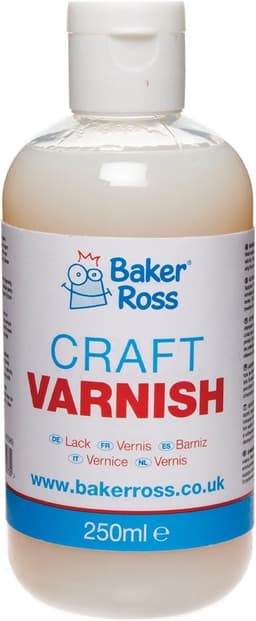
The comparison includes several gloss choices. EIGTWEN has gloss listings, while Nicpro is described as gloss and Granotone as high gloss. In this set, Nicpro and Granotone mention UV protection; the EIGTWEN bullets do not. Liquitex is the satin option and has the clearest maker guidance for an acrylic canvas. Its UK material describes the water-based varnish as permanent, says not to thin it with water and recommends one or two satin coats. Liquitex says the underlying acrylic can need from 72 hours to two weeks, depending on thickness. Shuttle Art supplies the matte direction, but its displayed 5.0 rating is based on four United States reviews, not meaningful UK evidence that it will suit your painting. Baker Ross is a craft bottle for rocks and clay, which are outside this canvas-specific guide.

Permanent satin is not a removable varnish

“Clear” does not tell you whether a varnish can later be taken off without disturbing the artwork. The Liquitex satin bottle in this comparison is a permanent, water-based varnish. Liquitex Soluvar is a different, removable product, so advice written for Soluvar must not be transferred to the satin bottle simply because both carry the same brand. A removable system normally places an isolation coat between the acrylic paint and the final varnish. An isolation coat is not a shortcut for paint that is still curing. If your actual job is a door or a table, use the synthetic varnish buying guide instead.

Pens, ink and a too-soon coat can disturb the image

Dry to the touch is not necessarily ready to varnish. Liquitex specifies 72 hours to two weeks according to thickness. Mixed-media details add another risk. Individual amazon.co.uk reviews report alcohol ink on plastic reactivating beneath Liquitex, Sharpie smudging beneath Granotone, and an EIGTWEN 100 ml coating producing a mayonnaise-like film. These are isolated experiences, not failure rates, but they show why “waterproof when dry” does not guarantee compatibility with every ink, marker or substrate. Recreate every layer on an offcut, including the primer, paint, pen and varnish, then leave it for the same curing period you plan for the picture. Once the combination passes, the application guide covers coats, waiting and common handling errors. Do not use a successful canvas test as evidence that the coating is suitable for an outdoor ornament.

Common questions

Gloss, satin or matte for an acrylic painting?
Choose gloss when you want deeper-looking colour and can accept reflections, matte when glare reduction matters more than maximum colour depth, and satin for a compromise. View a varnished offcut where the finished picture will hang. A dark painting opposite a window can respond very differently from a pale canvas under diffuse light.
Will extra satin coats make the painting glossier?
Not reliably. Liquitex recommends one or two satin coats and warns that excessive satin build can become cloudy because the finish contains matting agent. If greater film build is needed, its guidance favours gloss layers underneath and satin as the final finish. Follow the exact product instructions rather than assuming each additional coat simply increases shine.
How long should acrylic paint dry before varnishing?
There is no single wait for every painting. Published guidance ranges from at least 24 hours for thin acrylic to two weeks or even a month for thick impasto and gel. Liquitex specifies 72 hours to two weeks for its varnish system. Use the varnish maker’s timing and extend it when the paint layer is thick.
Can these varnishes be used on an oil painting?
Do not apply acrylic-picture timing to oil paint. Oil can require months before final varnishing, and the compatible varnish system may differ. Check the maker’s oil-paint instructions for the exact product rather than relying on an amazon.co.uk category label. This page addresses dry acrylic paintings, not oil works.
Does this comparison include a removable varnish?
The compared Liquitex satin bottle is a permanent water-based varnish, not removable Soluvar. A removable varnish normally belongs to a planned system that includes an isolation coat. If future cleaning or removal matters, choose the whole system deliberately and seek a conservator’s advice for valuable work.
Will varnish smudge acrylic pens, Sharpie or alcohol ink?
It can. Single customer reviews describe reactivated alcohol ink and smudged Sharpie under particular products, although those reports do not establish a general failure rate. Make a complete offcut with the same surface and drawing materials, let every layer cure, then apply the intended varnish. Stop if the sample bleeds, clouds or lifts.

Related pages

Sources

Public UK sources for the VOC and brushing points on this page. Prices, stars and review counts are from the amazon.co.uk listings extracted on 15 October 2026. Scores use those listings and the review text available on 16 October 2026.

  1. SI 2012/1715 — VOC in paints and varnishes (retrieved 16 October 2026)
  2. SI 2012/1715 — Schedule 1, categories (retrieved 16 October 2026)
  3. SI 2012/1715 — Schedule 2, VOC limits (retrieved 16 October 2026)
  4. British Coatings Federation — solvent-based paint (retrieved 16 October 2026)
  5. HSE — paint FAQ (retrieved 16 October 2026)
  6. Liquitex UK — varnishing acrylics (retrieved 16 October 2026)
  7. Liquitex — Professional satin varnish (retrieved 16 October 2026)
  8. amazon.co.uk listings, extracts 15 October 2026 (retrieved 15 October 2026)