Independent comparisons. We may earn from shop links. More info

Water based vs oil based varnish

Updated: 23 October 2026

You are about to coat a wardrobe or a kitchen table, and someone remembers a tin that smelled of white spirit. Water based vs oil based varnish is a film that cleans up in water, which is what this set sells, or a solvent varnish you would buy elsewhere. Every kept tin is water-based. There is no oil-based ASIN. Prices are on the [furniture varnish comparison](/hub/paints-and-varnishes/furniture-varnish). We used Ronseal’s May 2013 sheet and the VOC rules on 21 October 2026. A qualifying purchase can earn a commission at no extra cost to you.

You are about to coat a wardrobe or a kitchen table, and someone remembers a tin that smelled of white spirit.

Our top picks

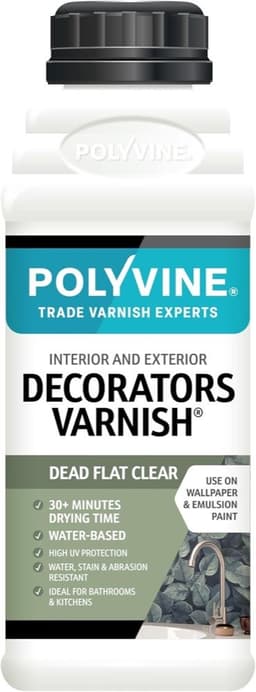
Polyvine Polyvine dead flat 500 ml

Best overall

Polyvine Polyvine dead flat 500 ml
9.4/10about £16.48
Ronseal Ronseal matt clear 750 ml

Best value

Ronseal Ronseal matt clear 750 ml
8.8/10about £16.65
Varathane Varathane satin 236 ml

Alternative

Varathane Varathane satin 236 ml
9.0/10about £15.82
On this page

Two films, one indoor job

In this set, water-based varnish is an acrylic or a water-based polyurethane you clean with water. Ronseal’s sheet describes water-based polymers and no hydrocarbon solvents. Polyvine is acrylic. Varathane 200261H is water-based polyurethane. Oil-based varnish uses white spirit for the film and the brushes. UK guides describe it as slower, stronger-smelling, and more likely to amber. Low odour is not a toy or food-contact approval. None of the eight listings shows that paperwork. The job is tables, cabinets, doors, and skirting. Ronseal’s 2013 sheet says not for floors and not for exterior use. Sheen and pack size are on the furniture varnish buying guide.

Smell, clean-up, and colour

ManoMano’s UK guide says solvent varnish smells and yellows, and that water-based varnish smells less and cleans up in water. Wickes pairs a synthetic brush with water-based indoor varnish and a natural-bristle brush with oil-based. One UK review of the 750 ml matt clear kept water-based Ronseal for easier clean-up. That is one household. White spirit on the Ronseal sheet is the wipe for wax, not the thinner. The method is on how to varnish furniture. Ronseal’s May 2013 sheet says the clear grade does not yellow woodwork. A light oak review called the colour quite yellow. We have no oil-based ASIN to show ambering. Wear a mask while you sand.

Toughness, without a fake score

Wickes says oil-based varnish is more durable. ManoMano calls water-based varnish slightly less tough. Neither publishes a number for these ASINs, and we did not measure scratch or heat. Ronseal’s 2013 sheet says touch-dry around 20 minutes and recoat after 1 hour. The satin clear 250 ml bullet says recoat after 2 hours. Polyvine’s Amazon text says 5–7 days to cure. A 20 minute touch-dry is not a hardness result. The 2012 VOC rules cap in-scope trim varnishes at 130 g/l water-borne and 400 g/l solvent-borne. None of the eight files prints a grams-per-litre figure. For bare indoor wood, use best furniture varnish.

When oil-based is the other purchase

Buy a solvent or exterior product when the wood lives outside. Garden furniture is not Ronseal interior varnish, and it is not Polyvine on bare exterior timber. Polyvine’s Amazon bullets say indoor and outdoor. The maker says not for exterior bare timber. Follow the maker. If a test patch crawls over old wax, the Ronseal sheet wants the white-spirit wipe first. If it still crawls, clean or strip. None of the eight ASINs is a hybrid. Do not relabel Varathane’s water-based polyurethane as oil. If the furniture is painted, Ronseal says the interior varnish is not for painted wood. Polyvine is the acrylic sold for emulsion and chalk paint.

Common questions

Which lasts longer on a table, water-based or oil-based?
UK retailers say oil-based is more durable, and ManoMano calls water-based slightly less tough. Those are claims, not a measurement of these eight tins. This set contains no oil-based ASIN. For an indoor table, buy the water-based interior varnish the sheet is written for. If the table lives outside, an interior tin is the wrong product.
Will water-based varnish go yellow?
Ronseal’s May 2013 sheet says the clear interior grade does not yellow woodwork. That line is for the clear Ronseal film, not for a tint. Light oak in this set drew a UK review that called the colour quite yellow. We cannot show solvent ambering on an oil tin we did not list.
Can I put water-based varnish over an old oil or wax finish?
Only after the surface is clean, and only if a hidden patch wets out instead of crawling. Ronseal’s sheet uses a white-spirit wipe to remove wax and grease. If the patch crawls, clean or strip further. Do not bury the failure in a thicker coat.
Why does the sheet mention white spirit if the varnish is water-based?
Because white spirit is the prep cleaner, not the contents of the tin. Ronseal’s interior varnish is described as having no hydrocarbon solvents. You wipe the wood, then you brush a water-based film and wash the synthetic brush in water. White spirit in the prep rag does not turn the product into an oil varnish.
Is water-based safer to use in a bedroom?
It is the lower-smell option UK guides recommend for indoor furniture, and Ronseal’s sheet stresses low odour and no hydrocarbon solvents. Open a window, and wear a mask while you sand. Low odour is not a food-contact approval. If the prep wipe makes you feel unwell, leave the room.
Should I buy an oil tin for garden furniture?
Yes, if you mean a product written for exterior wood. No, if you mean one of these eight. Ronseal’s interior sheet excludes exterior use. Polyvine excludes exterior bare timber even where an Amazon bullet says outdoor. Do not expect the indoor star ratings to describe a garden chair.

Related pages

Sources

Public sources from the research digest, shelf snapshot 21 October 2026. Shelf prices and star lines are the amazon.co.uk figures in the display file. The price band is this set, not a market average. No listing was lab-tested.

  1. VOC in Paints, Varnishes and Vehicle Refinishing Products Regulations 2012 (retrieved 21 October 2026)
  2. Ronseal interior varnish data sheet, May 2013 (retrieved 21 October 2026)
  3. Ronseal interior varnish (retrieved 21 October 2026)
  4. Polyvine Decorators Varnish (retrieved 21 October 2026)
  5. HSE woodworking hazards (retrieved 21 October 2026)
  6. Wickes: applying varnish, stain, wax and oil (retrieved 21 October 2026)
  7. ManoMano UK furniture varnish guide (retrieved 21 October 2026)
  8. Toys (Safety) Regulations 2011 (retrieved 21 October 2026)