Independent comparisons. We may earn from shop links. More info

How to care for low light houseplants

Updated: 21 October 2026

A peace lily that folds on a Tuesday and a Boston fern that sheds the same afternoon are not asking for the same can of water. If you are working out how to care for low light houseplants in a British flat, start from the compost in that pot, not from a shared weekday. The seven amazon.co.uk listings in our [low light plants comparison](/hub/houseplants/low-light-plants) do not share one moisture line, and winter light is shorter than the June light you bought them in. Peter F. updated this on 20 October 2026 from those listings, the Royal Horticultural Society, and BBC Gardeners’ World. This is not a lab test. A qualifying purchase through our links can earn a commission at no extra cost to you.

A peace lily that folds on a Tuesday and a Boston fern that sheds the same afternoon are not asking for the same can of water.

Our top picks

On this page

One room, four watering habits

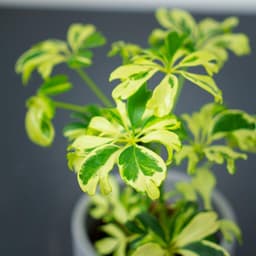
The Carbeth peace lily listing says keep the compost lightly moist and let the top dry slightly. The RHS is clearer about what goes wrong. Wet compost can rot the roots and yellow the leaves. Dry compost produces a dramatic droop, and the plant often stands up after a thorough drink. Feel the compost before you pour. The same page puts the plant at about 12–24°C and says you water less in winter. Devil’s ivy is the dry end. The single pot says let the top 2–3 cm dry. The RHS epipremnum page says let the top 2 cm dry. In deep shade it grows more slowly and the cream marks fade. Winter overwatering is the failure the RHS names. The two-pack only says moderate watering, which is vaguer than a centimetre test. Do not copy that habit onto the fern. The Boston fern listing says keep the compost evenly moist and mist often or use a humidifier. BBC Gardeners’ World links leaflet drop to dryness, and still wants a bright spot out of direct sun. The schefflera listing says water when the top 2 inches are dry, then soak and drain. If you water them all on Sunday, the fern can crisp or the ivy can sit in a cold puddle.

What yellow, brown, and droop usually mean

Yellow leaves are not one diagnosis. On a peace lily the RHS splits the picture: wet compost and root rot, a flop from dryness, brown edges from dry air, and tips marked by fluoride in tap water. A plant folded over a dry pot is thirst. Yellow leaves in wet compost are the case where you stop and let the pot drain. Yellow on the day it arrives is a different clock. Peace lily and two-pack reviews both mention tired leaves and damage in the post. Photograph the plant and the packaging before you trim anything. The Consumer Rights Act 2015, section 9, is the frame. Write to the seller before you decide the yellowing is your watering. If a dead-on-arrival return is refused, Citizens Advice is on 0345 404 0506. A monstera with solid young leaves is often normal. The RHS says juvenile leaves frequently have no holes, and very low light means fewer holes later. The listing calls it a shade lover and then asks for bright, indirect light. The star line also mixes in spider-plant reviews. Which pot the file actually ranks is on the best low light indoor plant page.

After the clocks go back

The Horticultural Trades Association says water less after the clocks go back, because north windows get the least light. That fits the peace lily, the devil’s ivy, the schefflera, and the Nanouk. It does not mean you let the Boston fern dry until the leaflets drop. A bathroom that is steamy for twenty minutes can still be warm and dry for the rest of the day. Move a monstera closer to a brighter window in winter if you are following that HTA note. Grow lights were removed from this comparison. None of these care lines ask for winter fertiliser. Resume a light feed when you see new growth in spring.

When it is not a watering problem

If a cat or dog chews a peace lily, a monstera, or devil’s ivy, call a vet the same day. The PDSA names peace lily, and the RHS treats monstera as poisonous and tells you to wear gloves with epipremnum. Do not add washing-up liquid to the can. A droop on dry compost is still a watering test you can do at home. A plant already dead in the box is a seller message, with photographs from the day it arrived.

Common questions

Why is my peace lily drooping?
A dramatic flop on dry compost is the thirst the RHS describes, and a peace lily often stands up again after a thorough drink and a drain. The same silhouette on soggy compost points the other way: wet roots, and more water will make the yellowing worse. Check the top of the pot with a finger before you decide. In winter the listing’s “lightly moist” line still applies, but you leave longer gaps because the plant is using less water at about 12–24°C.
Why are the leaves yellow the day it arrived?
Arrival yellowing is already in the peace lily reviews and in the two-pack of devil’s ivy: tired leaves, a plant smaller than the photo, or a pot knocked in transit. Photograph the plant and the packaging on the day it lands, then contact the seller. That is a quality question under the Consumer Rights Act 2015, section 9, not a fortnight of extra misting. If a dead plant is refused, Citizens Advice on 0345 404 0506 can explain the next step.
How often do I water devil’s ivy in January?
There is no fixed Sunday in the file. The single pot says let the top 2–3 cm dry. The RHS says about the top 2 cm, and it warns that winter overwatering rots roots while growth is slow. In a cool north room that dry layer can take longer than it did in June, so you water less often, not on a summer timetable. The two-pack’s “moderate watering” line is too vague to override that test. Skip the drink if the compost is still cold and damp.
Why is my Boston fern shedding?
BBC Gardeners’ World links leaflet drop on a Boston fern to dryness. The Carbeth listing wants the compost evenly moist, with misting or a humidifier, in what the care line still calls bright, indirect light. A fern that crisps on a shelf above a radiator is short of water and of humidity, even if you last watered it on the same day as the pothos. Moist is not a saucer left full for a week. Tip standing water away, and do not let the root ball bake between those checks.
Why has my monstera got no holes?
Young monstera leaves often lack splits, which the RHS treats as normal. Very low light is the later problem: fewer holes, and slower growth. The Carbeth bullet calls it a shade lover, and the care line asks for bright, indirect light, so the listing does not settle the corner by itself. The HTA says move a monstera to a brighter window when the clocks go back. Water when the top feels dry. Do not flood it in the hope that holes appear in January.
Should I feed in winter?
Hold the feed while the days are short and you are not seeing new leaves. A winter dose sitting in wet compost is a common way to stress roots that are barely working. The listings in this set describe light and water, not a January fertiliser schedule. Start again lightly in spring when growth resumes, and skip any week when the compost is still soggy from the last watering. A yellow plant that arrived yesterday needs a photograph and a seller message, not a bottle of feed.
When do I stop and call a vet or the seller?
Call a vet if a pet chews a peace lily, a monstera, or devil’s ivy. The PDSA names peace lily, and the RHS does not clear the others for a chewing animal. Contact the seller, with photos taken on arrival, if the plant is dead, smashed, or yellow in the box. Citizens Advice on 0345 404 0506 is the number if that return is refused. A droop on dry compost, or a fern shedding after a hot week, is still a watering problem you can test at home first.

Related pages

Sources

Public UK sources named below. amazon.co.uk prices, stars and review counts on these seven listings are the figures used for this comparison. Page updated 21 October 2026.

  1. RHS houseplants for shady rooms (retrieved 21 October 2026)
  2. RHS how to grow peace lilies (retrieved 21 October 2026)
  3. RHS Epipremnum (retrieved 21 October 2026)
  4. RHS how to grow Swiss cheese plants (retrieved 21 October 2026)
  5. RHS Nephrolepis exaltata (retrieved 21 October 2026)
  6. PDSA poisonous plants (retrieved 21 October 2026)
  7. HTA harmful-plants guide (2022) (retrieved 21 October 2026)
  8. Consumer Rights Act 2015, section 9 (retrieved 21 October 2026)
  9. GOV.UK plant passports (retrieved 21 October 2026)