F1 or open-pollinated vegetable seeds
You want either a uniform row or seed you can keep. F1 or open-pollinated vegetable seeds is that choice: the sleeve either prints F1 or it does not, and saved hybrid seed does not repeat the plant. How to read a sleeve is on the [vegetable seed buying guide](/hub/herb-seeds/vegetable-seeds/sub/vegetable-seeds-buying-guide). Depth and frost are on [how to sow vegetable seeds](/hub/herb-seeds/vegetable-seeds/sub/vegetable-seeds-how-to-sow). Who each listing suits is on [best vegetable seeds](/hub/herb-seeds/vegetable-seeds/sub/vegetable-seeds-best). Prices are on the [vegetable seeds comparison](/hub/herb-seeds/vegetable-seeds). We updated this page on 16 October 2026 from the RHS, Garden Organic and the Seed Marketing Regulations 2011. We did not grow a second generation. A qualifying purchase through our links can earn a commission at no extra cost to you.
You want either a uniform row or seed you can keep. F1 or open-pollinated vegetable seeds is that choice: the sleeve either prints F1 or it does not, and saved hybrid seed does not repeat the plant.
You want either a uniform row or seed you can keep. F1 or open-pollinated vegetable seeds is that choice: the sleeve either prints F1 or it does not, and saved hybrid seed does not repeat the plant. How to read a sleeve is on the vegetable seed buying guide. Depth and frost are on how to sow vegetable seeds. Who each listing suits is on best vegetable seeds. Prices are on the vegetable seeds comparison. We updated this page on 16 October 2026 from the RHS, Garden Organic and the Seed Marketing Regulations 2011. We did not grow a second generation. A qualifying purchase through our links can earn a commission at no extra cost to you.
Our top picks
| Badge | Product | Crop | Variety | Organic mark on listing | Note | Price | Offer |
|---|---|---|---|---|---|---|---|
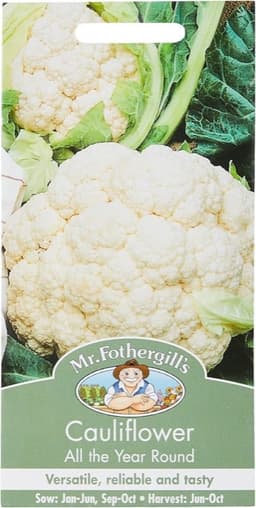
| Best overall |  Mr Fothergill's Mr Fothergill's Cauliflower All The Year Round | Cauliflower | All The Year Round | Natural | 9.2 | about £2.09 | View offer |
| Best value |  Just Seed Just Seed Lettuce Winter Density | Lettuce | Winter Density | Organic on the material field | 7.6 | about £3.10 | View offer |
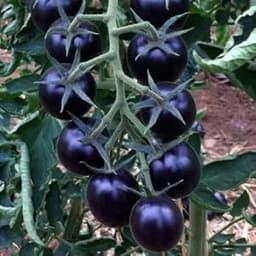
| Alternative |  Generic Black Cherry Tomato Seeds | Tomato | Black Cherry | Not stated | 5.3 | about £2.99 | View offer |

On this page
What F1 means on a packet
What open-pollinated means, and where it crosses
The packets in this comparison
Amateur variety is a third label
Which to buy
Common questions
How do I know if a packet is F1?
Can I save seed from an F1 tomato?
Are lettuce seeds hybrids?
Will saved cauliflower seed grow the same curd?
Is amateur variety the same as heritage or F1?
Does open-pollinated mean the seed is organic?
Related pages
Sources
Public UK sources named for this comparison. Updated October 2026.
- Seed Marketing Regulations 2011 (retrieved October 2026)
- Explanatory memorandum to the Seed Marketing Regulations 2011 (retrieved October 2026)
- GOV.UK, apply to have seeds certified for marketing in England and Wales (retrieved October 2026)
- Defra plant health portal, plant varieties and seeds FAQ (retrieved October 2026)
- RHS, F1 hybrids (retrieved October 2026)
- RHS, lettuce (retrieved October 2026)
- GOV.UK, Seed Potato Classification Scheme (retrieved October 2026)
- Consumer Rights Act 2015, section 11 (retrieved October 2026)