Independent comparisons. We may earn from shop links. More info

What to look for on a vegetable seed packet in the UK

Updated: 16 October 2026

You are about to pay for a vegetable seed packet on amazon.co.uk, and the title, the count and the plant do not always describe the same thing. What to look for is variety, year, supplier, stated count, and a crop name that matches. Prices stay on the [vegetable seeds comparison](/hub/herb-seeds/vegetable-seeds). The Products Compared editorial team updated this page on 15 October 2026 from those listings and the Seed Marketing Regulations 2011. We did not germinate the packets. A qualifying purchase through our links can earn a commission at no extra cost to you.

You are about to pay for a vegetable seed packet on amazon.co.uk, and the title, the count and the plant do not always describe the same thing.

Our top picks

On this page

What a UK packet is supposed to show

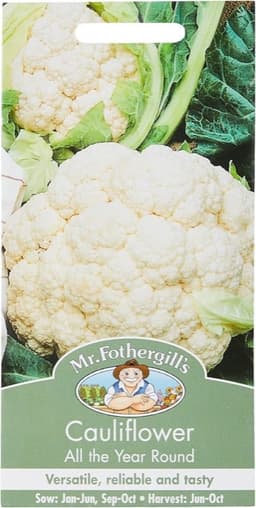
A sleeve you can use names the species, the variety, the year and the supplier. Schedule 3 of the Seed Marketing Regulations 2011 calls for a supplier’s label with the words “GB rules and standards”, plus the species, the variety, the year and the category. The short note is GB rules and standards on seed packets. On a small package of up to 500 grams, that schedule does not require a declared seed count. Mr Fothergill’s All The Year Round and Just Seed’s Winter Density name a variety and a supplier. The mixed potato listing names neither, which is why it fails this check first.

Seed count, including average

A printed count describes what the supplier says a typical envelope holds. It is not a weighed promise, because a declared count is not required under 500 grams. Allotments4All threads have counted Johnsons, Thompson & Morgan and Wilko packets both under and over the printed average. Those threads are old. They are not a promise that an amazon.co.uk order will be replaced. The cauliflower, lettuce and tomato listings in this set show the same gap between a printed average and a counted sleeve.

When the title and the plant disagree

Read the plant type and the style name before you trust the shelf. Mr Fothergill’s Aguadulce is a broad bean in both fields, and the count is 45. The title and the best-seller rank still say flower seeds. If you wanted flowers, leave it. If you wanted an autumn bean, you still need a mild or sheltered site, which vegetables to sow in autumn covers. The Generic Black Cherry brand is Generic, and the material line mixes in flower-seed wording. The mixed potato listing fails more bluntly: reviewers say not to expect seed potatoes.

Organic words and registration numbers

“Organic” in a material field stays a word on the listing until a certification mark is on the packet. Just Seed’s Winter Density page prints Organic, together with Organic Registration AP23164 and Defra Registered 7291. Those are company numbers on the page. We could not quote them as a mark on the sleeve. Heritage and open-pollinated wording are a separate choice, on F1 or open-pollinated vegetable seeds.

A short check before you buy

Stop at the first line that fails. Name the variety in words you would write on a label. See whether the packet says F1, and leave seed saving to the F1 page. Find the packing year or the expiry date, and reject a sleeve already in its expiry month. Name the supplier, and prefer a seed house you can look up to a brand that only says Generic. Read the stated count as a description, and compare it with the unit-count field. Check that the title, the plant type and the style name are the same crop. When those six agree, match the depth and the month to the crop.

Common questions

Does “GB rules and standards” mean the seed was germination-tested for me?
It is the phrase Schedule 3 requires on a supplier’s label for standard vegetable seed, with the species, variety, year and category. It means the seed is marketed under those rules. It is not a germination result for your envelope.
If the packet says 200 or 500, is that a promise?
Treat it as the supplier’s description of a typical packet. A declared count is not required on a small package of up to 500 grams. Here, one cauliflower review counted 109 against about 200, and one lettuce review estimated about 100 against a stated 500.
The title says flower seeds and the style says broad bean. Which do I trust?
Trust the plant type and the style name when they say broad bean. On the Aguadulce listing they agree, the stated count is 45, and the reviews talk about pods. The flower-seed title is the wrong shelf. You still need a mild or sheltered site for an autumn sowing.
Does “Organic Registration AP23164” mean this packet is certified organic?
The Just Seed listing prints that number, and Defra Registered 7291, beside the word Organic in the material field. Those are company numbers on the page. They are not a certification mark we could quote from the packet. Certified organic seed carries the organic mark on the packet itself.
The tomato title says 40 and the unit count says 50. What is the fact?
The Generic Black Cherry page disagrees with itself. The title says 40 seeds, the unit-count field says 50, and one reviewer counted 34 seeds plus a husk. None of those figures is a weighed contents for the bag you will receive. That review also found no planting instructions on the bag.
When is a short packet a reason to contact the seller?
Contact the seller when you have counted, the envelope is far below the printed average, and you still have the packet. A count of 109 against about 200, or seed dated to expire in the month it arrived, is that case. Older seed-house threads do not promise that Amazon will replace the pack.

Related pages

Sources

Public UK sources named for this comparison. Updated October 2026.

  1. Seed Marketing Regulations 2011 (retrieved October 2026)
  2. Explanatory memorandum to the Seed Marketing Regulations 2011 (retrieved October 2026)
  3. GOV.UK, apply to have seeds certified for marketing in England and Wales (retrieved October 2026)
  4. Defra plant health portal, plant varieties and seeds FAQ (retrieved October 2026)
  5. RHS, F1 hybrids (retrieved October 2026)
  6. RHS, lettuce (retrieved October 2026)
  7. GOV.UK, Seed Potato Classification Scheme (retrieved October 2026)
  8. Consumer Rights Act 2015, section 11 (retrieved October 2026)