Independent comparisons. We may earn from shop links. More info

Privet hedge dying: yellow leaves, drought or fungus

Updated: October 2026

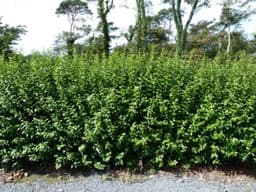
The hedge looks ill from the path, and three ordinary problems wear the same colour. Winter can yellow the old leaves of a healthy semi-evergreen. A dry July can strip a whole face. Honey fungus can kill a section and will do it again if you plant privet straight back into that trench. The response is different in each case, and buying another pack of the same plant is the wrong first move. This page is from Peter F., editor for DIY & tools, on 20 October 2026. It follows BBC Gardeners' World and the Royal Horticultural Society. The amazon.co.uk listings in this comparison have no review text about dieback, so nothing here is a story from those packs. We did not inspect your hedge. A qualifying purchase can earn a commission at no extra cost to you. The [privet comparison](/hub/hedges-and-privacy-screens/privet) is only the shopping table.

The hedge looks ill from the path, and three ordinary problems wear the same colour. Winter can yellow the old leaves of a healthy semi-evergreen. A dry July can strip a whole face.

Our top picks

On this page

Yellow leaves in winter

Older leaves turning yellow and dropping, while the twigs stay flexible and the buds are still there, is normal for garden privet. Gardeners' World treats that winter yellowing as semi-evergreen behaviour, not as a disease. The Royal Horticultural Society calls Ligustrum ovalifolium semi-evergreen or evergreen, which already allows a cold spell to thin the canopy. You will see more of it on an exposed site, and more of it on wild privet than on a sheltered garden privet. Raking the leaves is optional. Spraying them is not a cure for a process that is not an infection. Wait until spring before you call that hedge dead. If new leaves fail on a whole run of bare twigs, you have moved into a different pattern. A single yellow week in February is not that pattern. People who replace a healthy semi-evergreen in winter often plant the same species into the same line and watch it yellow again next January. If the job was January privacy rather than a sick plant, the species choice is on best privet hedge, not a fungicide. A healthy winter thin is also set out on is privet evergreen.

Leaves falling in summer

A privet that was fully leafed in May and is dropping leaves in a hot, dry spell is usually short of water. Gardeners' World puts summer leaf drop in that box. The first two years after planting are the risky ones, which is why the planting guide asks you to water dry spells for that long: how to plant a privet hedge. Soak the root zone, then mulch soil that is already moist. A daily sprinkle that wets the leaves and not the roots does not fix a hedge on light soil. An established line on clay can still scorch in a long drought. Water is the first check, before you assume a fungus. Waterlogging mimics drought from the path. Leaves yellow, then fall, and the soil under the hedge is sour and wet rather than dusty. Hedging nurseries separate those two on their problem tables for that reason. If the trench has sat in a puddle since spring, more water is the wrong treatment. Ease the drainage, and do not pile mulch against stems that are already standing in water. A brown patch that appears in a wet corner and a brown patch that appears in a baked corner are not the same job, even though both look like a dying hedge from the pavement.

Black spots

Black spots, and the rust-coloured marks people find with them, are usually a minor leaf problem if the hedge is otherwise growing. Gardeners' World says clear the fallen leaves so the spores are not sitting under the plants all winter. That is hygiene, not a promise that every spot vanishes. Spots on leaves that are still attached are not honey fungus. Honey fungus is a root and collar disease. You do not confirm it by looking at a spotted leaf in July. Do not reach for a fungicide because a general building site told someone to spray rust. That advice is not the RHS line used here, and it is the wrong tool if the real problem is drought or honey fungus. There is no spray recipe on this page. If the spots are heavy and the hedge is also failing to leaf, look at water and at the base of the stems before you buy a bottle. A child or a dog that has eaten leaves or berries is not a spotting problem at all. The RHS and the Horticultural Trades Association say Ligustrum is harmful if eaten. PDSA tells you to contact a vet if a pet has eaten a plant you are unsure about. That call comes before any pruning.

Dead patches

A section that is actually dead needs a look at the collar, where the stem meets the ground. The confirming sign the RHS describes for honey fungus is white sheets of fungal growth under the bark at that collar. Black bootlace strands in the soil, the rhizomorphs, are easy to miss, so their absence does not clear the plant. Toadstools in autumn can appear and also might not. Gardeners' World gives the same cluster: white mycelium, black bootlaces, sometimes mushrooms. Ligustrum sits on the RHS honey-fungus host list. The list marks frequently attacked hedge plants. It is not a conviction of every yellow privet in the country. There is no chemical cure in the RHS advice used here. Remove the infected plants and as much of the infected root as you reasonably can. Do not compost them. Do not put them in the green-waste bin if your council's rules say otherwise. Local waste rules differ, and this page does not tell you to burn anything. Do not replant privet, or another frequent host, straight back into that trench. Gardeners' World mentions yew as a more resistant replacement, which means more resistant, not immune. Whether yew suits the garden is a separate choice. Spreading dead sections, a hedge that blocks a highway sightline, or a row you cannot tell from honey fungus after you have lifted one plant are the points to bring in someone who does this work. Another 9 cm liner of the same species is how the patch returns.

Common questions

Why are the leaves yellow in winter?
On a live privet, older leaves often yellow and fall because the plant is semi-evergreen. Twigs and buds should still look alive. That is not honey fungus and it is not a reason to strip the hedge out in February. Bare wood with no buds in spring is a different problem.
Why is the hedge dropping leaves in summer?
The usual cause is drought, especially in the first two years or on light soil in a hot spell. Water the roots thoroughly, then mulch moist soil. If the ground is waterlogged instead, more water makes it worse. Check the soil with a hand before you decide which of those two you have.
Are black spots honey fungus?
No. Black spots on the leaves are usually a minor leaf issue. Clear fallen leaves. Honey fungus shows as white sheets under the bark at the base, sometimes with black bootlaces in the soil. Spots alone do not confirm it, and a fungicide is not the RHS cure for honey fungus.
What do bootlaces under the bark mean?
Black bootlace rhizomorphs and white fungal sheets under the bark at the collar are the signs Gardeners' World and the RHS associate with honey fungus. Rhizomorphs are easy to miss, so not seeing them is not a clean bill of health. There is no chemical cure in the advice used here. Remove infected plants and do not compost them.
Can I compost the dead plants?
No, not if honey fungus is the cause. The RHS says not to compost infected material. Council green waste has its own rules, which vary. Do not assume a bonfire is the required method. Check the local instruction, and do not replant privet in that trench.
Can I replant privet in the same trench?
Not if honey fungus killed the last line. You would be offering the fungus another host from the list it already uses. Choose a more resistant plant if you replant there. More resistant, in the Gardeners' World wording about yew, is not the same as immune.
Should I spray a fungicide?
Not from this page. Leaf spots are usually handled by clearing fallen leaves. Drought needs water. Honey fungus has no chemical cure in the RHS guidance used here. A spray sold for rust does not become a treatment for white sheets under the bark.
When do I stop and call someone?
Stop if dead sections are spreading, if you have found white sheets under the bark and the row is long, or if the hedge blocks a sightline on a road. If a child is unwell after eating berries, that is a doctor. If a dog may have eaten the plant, PDSA says contact a vet. Neither of those is a pruning question.

Related pages

Sources

Public UK sources named below. amazon.co.uk prices and the one review line are from the four listings in this comparison, saved on 19 October 2026. Page updated October 2026.

  1. RHS, Choosing a hedge (retrieved 20 October 2026)
  2. RHS, Ligustrum ovalifolium (retrieved 20 October 2026)
  3. RHS, Planting a hedge (retrieved 20 October 2026)
  4. RHS, Pruning hedges (retrieved 20 October 2026)
  5. Anti-social Behaviour Act 2003, section 66 (retrieved 20 October 2026)
  6. GOV.UK, High hedges: complaining to the council (retrieved 20 October 2026)
  7. BBC Gardeners' World, How to grow a privet hedge (retrieved 20 October 2026)
  8. Horticultural Trades Association, Harmful plants (retrieved 20 October 2026)
  9. Glebe Farm, Hedging privet (Ligustrum ovalifolium) (retrieved 20 October 2026)