Independent comparisons. We may earn from shop links. More info

Is cherry laurel poisonous? Leaves, berries, cuttings

Updated: 21 October 2026

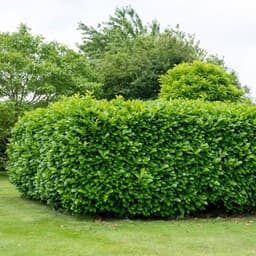
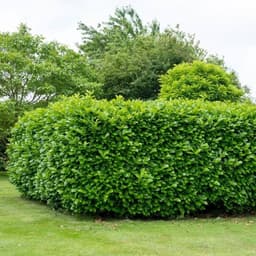
The berries look like small cherries, and the cuttings look like ordinary garden waste. Cherry laurel is harmful if eaten, by people and by pets. This page is for a UK parent or a dog owner who already has Prunus laurocerasus, or who is about to plant the pots in our [cherry laurel comparison](/hub/hedges-and-privacy-screens/cherry-laurel). This page is from Peter F. on 21 October 2026. It is not a poison centre and not a vet. After something has been eaten, use NHS 111, call 999 if the person is seriously unwell, or phone a vet. A qualifying purchase, if you still buy the plants, can earn a commission at no extra cost to you. Do not try a home remedy first.

The berries look like small cherries, and the cuttings look like ordinary garden waste. Cherry laurel is harmful if eaten, by people and by pets.

Our top picks

On this page

What poisonous means for this hedge

The RHS says cherry laurel seed kernels are harmful if eaten, and it names dogs, rabbits and rodents. It also advises gloves. The HTA guide (2022) labels ornamental-fruit Prunus, including cherry laurel and Portugal laurel, as harmful if eaten by people and pets. This is not culinary bay, Laurus nobilis, and the black fruits are not edible cherries. Novita and Rotundifolia are both Prunus laurocerasus. Hardiness does not remove the toxin.

Berries, leaves and the cuttings pile

The parts people meet are the leaf, the berry and the kernel, plus whatever you cut off and drop. The Veterinary Poisons Information Service explains that these plants contain cyanogenic glycosides. Cyanide is released when the tissue is chewed, crushed, wilted or digested. An intact leaf on the bush is not the same event as a broken mouthful. That is why the fresh pile is the usual worry. PDSA lists laurel, including cherry laurel, among plants to avoid, and it says to clear cuttings after you trim. A UK clinic note from Cinque Ports Vets describes prunings at nose height as a common way dogs meet the plant. Wilted material still counts. Bag cuttings where a dog cannot open them, and use the council green-waste route. A swallowed berry is still a call, because the RHS warning is about the kernel. Portuguese laurel is the same HTA category. Choosing it for chalk, on cherry laurel or Portuguese laurel, does not make the berries edible. Get cuttings off the ground the same day: how to plant a cherry laurel hedge.

What vets actually see

VPIS, writing for vets in October 2019, says most dogs and cats develop stomach and gut signs. Vomiting and diarrhoea are the usual picture. Cyanide signs are uncommon, and serious when they happen. That does not mean a nibble is fine, and it does not mean one leaf will kill. Vitamin B12 is not a practical antidote. Do not offer milk, oil, salt or a painkiller, and do not make the animal vomit. Tell the vet the plant name, roughly how much, and when. Cats are in the same note. If a horse has eaten cuttings, call a vet. These sources do not give a safe amount to scale up by weight.

What to do, and what not to do

If a person has eaten berries, leaves or kernels, use NHS 111. If they have collapsed, cannot be woken, or are struggling to breathe, call 999. If a pet has eaten any of it, phone a vet the same hour, including out of hours. Say cherry laurel. Do not wait for the stomach signs to pass, do not give a home dose, and do not burn the pile and stand in the smoke. Clear leftover cuttings so another animal does not repeat the meal. The buying guide will stop you confusing the hedge with bay. It will not tell you the plant is safe to nibble.

Common questions

Are the black berries safe for children?
No. They are not edible cherries. The RHS says the seed kernels are harmful if eaten, and the HTA label for this group of Prunus is harmful if eaten for humans and pets. A child who has swallowed berries or chewed leaves needs NHS 111, or 999 if they are seriously unwell. Do not wait to see whether the fruit was ripe, and do not offer a drink or a home remedy as treatment.
Will one chewed leaf kill a dog?
Do not treat a single leaf as automatically fatal, and do not treat a nibble as fine. VPIS says most dogs and cats get stomach signs, and that cyanide signs are uncommon but serious when they occur. The amount, the dog and the timing are for a vet, not for a guess from a web page. Phone a vet and describe what was eaten. Do not make the dog vomit.
Are cuttings more of a risk than the hedge itself?
They are the route clinics describe most often for dogs. Fresh and wilted prunings sit on the ground and get chewed. An intact shrub is easier to ignore than a pile that smells newly cut. PDSA says to clear cuttings after you trim. Bag them the same day and keep the bag where a pet cannot open it.
What about cats, rabbits and horses?
VPIS includes cats with dogs: gut signs are the usual result, and cyanide signs are uncommon but serious. The RHS names rabbits and rodents as well as dogs. Horses are not given a safe amount in these sources. If a horse or a rabbit has eaten leaves or cuttings, call a vet rather than scaling a dog note by body weight. No home dose is suggested here.
What do I do if someone has eaten them?
For a person, contact NHS 111, or call 999 if they are seriously unwell, collapsed or struggling to breathe. For a dog, cat or other pet, phone a vet straight away, including out of hours. Tell them it was cherry laurel, how much, and when. Do not induce vomiting and do not give vitamin tablets, milk or oil as an antidote.

Related pages

Sources

Public UK sources named below. amazon.co.uk prices, stars and review counts are from the five listings in this comparison. Page updated 21 October 2026.

  1. RHS, Prunus laurocerasus (retrieved 21 October 2026)
  2. RHS, Prunus laurocerasus Novita (retrieved 21 October 2026)
  3. RHS, Prunus lusitanica (retrieved 21 October 2026)
  4. GOV.UK, high hedges: complaining to the council (retrieved 21 October 2026)
  5. High Hedges (Scotland) Act 2013 (retrieved 21 October 2026)
  6. High Hedges Act (Northern Ireland) 2011, section 2 (retrieved 21 October 2026)
  7. Veterinary Poisons Information Service, cherry laurel (retrieved 21 October 2026)
  8. PDSA, poisonous plants (retrieved 21 October 2026)