Pincers for floorboards
You are lifting a board, pulling a carpet gripper, or clearing staples before a sander, and the first tool you reach for can split the timber. Pincers for floorboards are the second move, once a shank stands proud, not the bar you use to start a fragile board. The general roll is on [how to use carpenter's pincers](/hub/hand-tools/pincers/sub/pincers-how-to-pull-nails). Which pair to buy stays on the [carpenter's pincers comparison](/hub/hand-tools/pincers). Peter F. followed the SPAB note on patching old floorboards, a floor-sanding guide, and UK review mentions of gripper and staples. Those reviews are not a test. A qualifying purchase can earn a commission at no extra cost to you. If the board is decayed or historic, stop and get a joiner before you lever anything.
You are lifting a board, pulling a carpet gripper, or clearing staples before a sander, and the first tool you reach for can split the timber.
You are lifting a board, pulling a carpet gripper, or clearing staples before a sander, and the first tool you reach for can split the timber. Pincers for floorboards are the second move, once a shank stands proud, not the bar you use to start a fragile board. The general roll is on how to use carpenter's pincers. Which pair to buy stays on the carpenter's pincers comparison. Peter F. followed the SPAB note on patching old floorboards, a floor-sanding guide, and UK review mentions of gripper and staples. Those reviews are not a test. A qualifying purchase can earn a commission at no extra cost to you. If the board is decayed or historic, stop and get a joiner before you lever anything.
Our top picks
| Badge | Product | Jaw | Bite | Length | Note | Price | Offer |
|---|---|---|---|---|---|---|---|
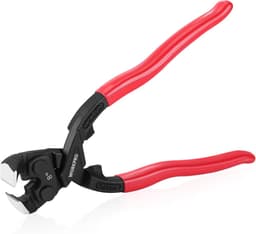
| Best overall |  WORKPRO WORKPRO 200 mm end cutting nail puller | End-cutting nail puller | Thin nails can snip | 200 mm | 8.4 | about £13.99 | View offer |
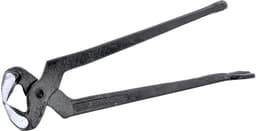
 Rolson Rolson 20529 200 mm carpenter pincers | Carpenter's pincers | Proud shank for gripper | 200 mm | 8.7 | about £3.97 | View offer | |
| Best value |  Draper Draper 32732 175 mm carpenter's pincers | Carpenter's pincers | About 5 mm; staples can snap | 175 mm | 8.6 | about £9.38 | View offer |

On this page
Lift first
Pull the nails that are already up
Gripper rods and staples
Before you sand, and when to stop
Common questions
Can I pull floorboard nails with pincers?
What about carpet gripper rods?
Will pincers pull staples left after a carpet?
Should nails be punched instead of pulled before sanding?
When should I stop and get a joiner?
Related pages
Sources
Standards are ISO 9243:1988 for carpenter's pincers and ISO 5748:2004 for end-cutting nippers, with the PPE at Work Regulations 1992 and HSE eye-protection guidance. Prices, stars, and review counts are the amazon.co.uk listing lines dated 19 October 2026. They are not a lab test. A Best Sellers page was shelf context only and is not a price source.
- ISO 9243:1988, carpenter's pincers (retrieved 22 October 2026)
- ISO 5748:2004, end cutting nippers (retrieved 22 October 2026)
- KNIPEX UK, carpenter's pincers (retrieved 22 October 2026)
- Wonkee Donkee Tools, what carpenter's pincers and end cutters are (retrieved 22 October 2026)
- The Personal Protective Equipment at Work Regulations 1992 (retrieved 22 October 2026)
- HSE, using the right type of PPE (retrieved 22 October 2026)
- SPAB, patching old floorboards (retrieved 22 October 2026)
- Cromwell, carpenter's pincers and end-cutting pincers (retrieved 22 October 2026)