Independent comparisons. We may earn from shop links. More info

Polytunnel vs greenhouse: when plastic is enough

Updated: 22 October 2026

A polytunnel vs greenhouse choice is which winter and which crop you are buying for, not which word sounds smarter on amazon.co.uk. RHS guidance is blunt: polythene tunnels are cost-effective for summer crops such as tomatoes and cucumbers, and not usually economical to heat and keep frost-free. The nine polyethylene tents, from about £17 to about £95, are on the [polytunnel comparison](/hub/garden-supplies/polytunnel). There is no glazed model in that set, so this page does not rank glass. Peter F. compared RHS public guidance with those tents, and did not run a lab test. A qualifying purchase can earn us a commission at no extra cost to you.

A polytunnel vs greenhouse choice is which winter and which crop you are buying for, not which word sounds smarter on amazon.co.uk.

Our top picks

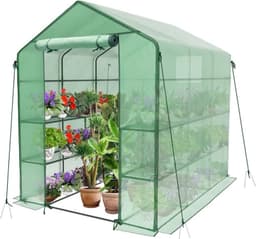
VOUNOT VOUNOT with four shelves

Best overall

VOUNOT VOUNOT with four shelves
8.9/10about £69.99
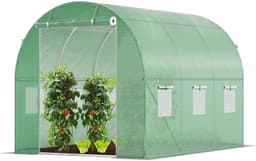
VOUNOT VOUNOT 3 × 2 × 2 m

Best value

VOUNOT VOUNOT 3 × 2 × 2 m
8.2/10about £50.49
On this page

What a tunnel is for

Buy a tunnel when you want an earlier and warmer summer crop under plastic, and you will open doors and mesh on sunny days. Tomatoes and cucumbers are the RHS examples. Hardy salads can sit through cooler months in an unheated tunnel. Tender plants you need to overwinter frost-free belong in a different conversation. That is not a winter conservatory dressed as a £60 tent. The nine cards here are PE covers on light frames: soil walk-ins about 2 m high, a shelf growhouse for pots, and one 45 cm cloche. They do not become a frost-free glasshouse because the title says greenhouse. If you are still choosing between a cloche, shelves and a soil walk-in, start with the walk in polytunnel buying guide before you leap to glass. A north–south ridge suits summer crops such as tomatoes; east–west helps winter light. That is an RHS siting note, not a reason to prefer one ASIN.

Light, without a fake percentage

RHS material on choosing a greenhouse puts glass at about 90 per cent light transmission and polycarbonate at about 83 per cent. That is their published band for those materials. None of the nine amazon listings prints a light-transmission percentage for the polyethylene. Do not quote a retail blog’s about 75 per cent as if it were measured on an Outsunny or VOUNOT cover. If a page merges someone else’s polythene figure with the RHS glass figure into one chart, leave that chart alone. You still get usable summer light under clear or green PE, which is why tunnels work for tomatoes. Green covers and dirty film cut more light than a clean clear sheet. If maximum winter light for ornamentals is the job, glass or quality polycarbonate is the structure to research next, outside this set.
VOUNOT VOUNOT with four shelves

Testsieger

VOUNOT VOUNOT with four shelves
8.9/10about £69.99

Winter heat

RHS wording is the line to keep: tunnels are not usually economical to heat and keep frost-free. Hardy crops such as lettuce can be grown. Tender plants cannot be overwintered as they would in a frost-free greenhouse. A separate RHS heating note treats about 4°C as a frost-free greenhouse target. A large thin plastic skin leaks heat. Pouring electricity into a £50 tent to hold 4°C through a UK cold snap is the false economy the guidance warns about. The RHS calls polythene tunnels rather unsightly. If the structure sits in full view of the street, that may push you toward a glazed house even when the crop would accept plastic. Do not invent a glass price gap. These tents sit at about £16.99–£94.99 in the capture. A glazed house costs what the live market shows when you shop it. Ten-year claims that plastic is always cheaper are not supported here.

How you air them

These amazon tents ventilate through roll-up or zip doors and side mesh windows. The cards do not show ridge vents or automatic openers. RHS ventilation guidance says plant damage typically appears above about 27°C, and that doors compensate when there is no ridge vent. On a hot June afternoon a closed £60 walk-in will cook flowers as readily as a closed glasshouse, because cooling is limited to doors, mesh and shade. Choose a polytunnel from this band for summer fruiting crops you will vent daily, on a site where you accept strip-the-cover limits in wind. Choose a glazed or polycarbonate greenhouse when you need frost-free tender-plant space, winter light you can specify, or a sheet that stays on. Daily tomato practice sits on polytunnel tomatoes. Conditional plastic picks sit on best polytunnel UK.

Common questions

Are polytunnels and greenhouses the same for tomatoes?
For a summer crop under cover, both can work if you ventilate. RHS highlights polythene tunnels as cost-effective for tomatoes and cucumbers. They are not the same for frost-free winter holding of tender plants.
Can I overwinter tender plants in an unheated tunnel?
Not as a frost-free house. RHS says tender plants cannot usually be overwintered that way. Hardy salads are the cooler-month example.
Which lets in more light, glass or the polyethylene on these listings?
RHS puts glass at about 90 per cent. These nine listings print no transmission figure for their PE, so do not invent one.
Why do tunnels overheat if they also lose heat overnight?
Thin plastic admits sun quickly by day and holds little heat by night. Without ridge vents you rely on doors and mesh. Above about 27°C plants suffer.
Do these amazon tents have roof vents?
Not in this set. Expect doors and side mesh, not automatic ridge openers.
Is a polytunnel always the cheaper option over ten years?
Not proven here. Upfront tent prices are low. Film replacement, storm loss and failed heating can erase that. Glass costs more to buy and may last longer as a building.
When should I leave this comparison and look at glass?
When you need frost-free tender-plant space, specified winter light, or a sheet that stays on through winter storms without a strip-the-cover instruction.

Related pages

Sources

Public UK sources for this comparison. Prices, stars and review counts are the amazon.co.uk listings in this set, captured 19 October 2026. Page updated 22 October 2026.

  1. Planning Portal: outbuildings (retrieved 22 October 2026)
  2. GPDO 2015 Class E (retrieved 22 October 2026)
  3. mygov.scot: shed, garage or greenhouse (retrieved 22 October 2026)
  4. GOV.WALES: planning permission for outbuildings (retrieved 22 October 2026)
  5. RHS: choosing greenhouses (retrieved 22 October 2026)
  6. RHS: ventilation and shading (retrieved 22 October 2026)
  7. Northern Polytunnels: EasyBuild (retrieved 22 October 2026)
  8. Consumer Rights Act 2015, section 22 (retrieved 22 October 2026)