Koi pond air pump size
Two ponds hold a few thousand litres. One is planted, with goldfish. The other is koi. The koi pond air pump size is what changes. This page is that contrast. Plugs, splash ratings and kit versus pump-only stay on the [buying guide](/hub/garden-ponds/pond-air-pump/sub/pond-air-pump-buying-guide). Named picks are on the [best pond air pump page](/hub/garden-ponds/pond-air-pump/sub/pond-air-pump-best), and the table is the [pond air pump comparison](/hub/garden-ponds/pond-air-pump). Figures are Evolution Aqua’s bands and the amazon.co.uk snapshot of 20 October 2026. Peter F. did not run a lab test. A qualifying purchase through our links can earn a commission at no extra cost to you.
Two ponds hold a few thousand litres. One is planted, with goldfish. The other is koi. The koi pond air pump size is what changes. This page is that contrast.
Two ponds hold a few thousand litres. One is planted, with goldfish. The other is koi. The koi pond air pump size is what changes. This page is that contrast. Plugs, splash ratings and kit versus pump-only stay on the buying guide. Named picks are on the best pond air pump page, and the table is the pond air pump comparison. Figures are Evolution Aqua’s bands and the amazon.co.uk snapshot of 20 October 2026. Peter F. did not run a lab test. A qualifying purchase through our links can earn a commission at no extra cost to you.
Our top picks
| Badge | Product | Airflow | Stated pond | Outlets | Note | Price | Offer |
|---|---|---|---|---|---|---|---|
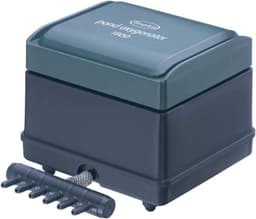
| Best overall |  Blagdon Blagdon Pond Oxygenator 1800 | 1,800 L/h | Koi to 5,000 L | 6 | 8.3 | about £72.99 | View offer |
| Best value |  Pontec Pontec PondoAir Set 450, 6 W | 450 L/h | Not stated | 2 | 8.1 | about £29.45 | View offer |
 Blagdon Blagdon oxygenator kit, 2 outlets | 320 L/h | Standard to 2,000 L | 2 | 8.6 | about £38.79 | View offer |


On this page
Same litres, different fish
Which listing matches which pond
Outlets are not extra air
Warm weather is not a bigger pump by itself
Common questions
How much air does a koi pond need per 1,000 litres?
Does a wildlife pond need the same pump?
Is 320 litres per hour enough for koi?
The title says 10,000 litres and also 5,000 litres for koi. Which number do I use?
Will more outlets give each stone the full flow?
My goldfish were gasping in a heatwave. Is the small kit the same purchase as a koi pump?
Related pages
Sources
Public UK and maker sources used for this page in October 2026. Prices, stars and review counts are from the eight amazon.co.uk listings captured on 20 October 2026. A splash rating, a litre band and a waterproof line are listing or maker claims, not a laboratory result.
- Evolution Aqua pond air pump calculator (retrieved 20 October 2026)
- Evolution Aqua air pump specifications (retrieved 20 October 2026)
- That Pond Guy, choosing koi pond equipment (retrieved 20 October 2026)
- Blagdon oxygenator kit manual (retrieved 20 October 2026)
- Approved Document P, electrical safety in dwellings (retrieved 20 October 2026)
- HSE, electrical equipment in damp places (retrieved 20 October 2026)
- Environment Agency, stillwater aeration (retrieved 20 October 2026)
- Met Office, winter water safety (retrieved 20 October 2026)