Independent comparisons. We may earn from shop links. More info

Garden armchair winter storage

Updated: 22 October 2026

The clocks have gone back and the cushion is still on the patio chair. Garden armchair winter storage in the UK fails when water is trapped, not only when the temperature drops. A sealed sheet over a damp pad keeps the moisture you were trying to keep out. HDPE advice is not the same sentence on every brand. The [garden armchair comparison](/hub/garden-furniture/garden-armchair) is the product table. This page is what stays out from autumn to spring. Day-to-day stains are on [how to look after a garden armchair](/hub/garden-furniture/garden-armchair/sub/garden-armchair-how-to-look-after).

The clocks have gone back and the cushion is still on the patio chair. Garden armchair winter storage in the UK fails when water is trapped, not only when the temperature drops.

Our top picks

On this page

What actually damages the chair

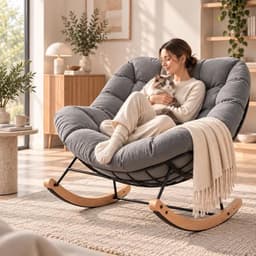
The failure UK care pages agree on is a wet chair closed in. Harts describes mould when cushions stay under a cover. Garden Ornaments, writing on 14 September 2026, puts the order as cushions indoors, then a clean dry frame, then a fitted cover that can breathe, then a look after rain. Lazy Susan tells owners of its metal furniture never to store it damp, including in a shed. A damp shed can be worse than a dry chair under a breathable cover outside. Frost matters. Standing water in a joint, a foam pad, or a fold of plastic matters more often. A chair left in a puddle wicks water up the legs and into washers. On the FLEXISPOT papasan in this set, a UK reviewer reported rust around the joints and washers after three days in the garden. That is why an open patio through a wet winter is a poor match for that steel frame. Cushions under the cover are the mistake that looks tidy. Fermob's care notes, as Garden and Terrace relay them, would rather leave frames in the open than under a non-breathable tarpaulin. Harts and Harbour still want a breathable cover on rattan, after the chair is dry. The shared sentence is that a sealed sheet is the wrong tool.

Cushions first

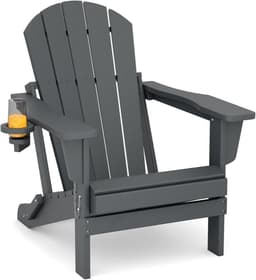
Take every pad indoors while it is dry. If it is already damp, dry it in the house before it goes into a cupboard, a breathable bag, or a box. Harts' place for cushions is a shed or a box, not under the outdoor cover. Lazy Susan specifies breathable bags and the same ban on storing them damp. A vacuum bag closed on cool, clammy foam repeats the mould problem. Feel the foam. If it is cooler than the room in the middle, it is not ready. The MIDOUAUTOUK Adirondack does not include a cushion. If you added a lower-back pad, that pad still comes in. The FLEXISPOT titles say a thick cushion, and reviewers added throws because the pad was thin. Those throws are cushions for this purpose. Left on the rocker under a tarp, they hold water against the steel. A conservatory counts as indoors if it stays dry. A damp garage is not automatically safer than the patio. Move the pads first.

HDPE, rattan and metal

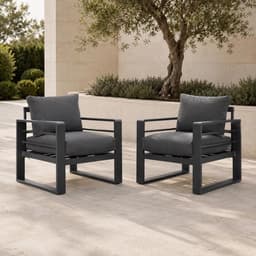
There is no single winter rule for HDPE. VonHaus, on its own Adirondack at £119.99, says to store that chair away in frosty weather. British Recycled Plastic says its own furniture can stay out in rain, snow and frost. The MIDOUAUTOUK bullets claim resistance to snow. One review of that grey folding chair says the armrests warped and separated after three months outdoors. Barker and Stonehouse suggest bringing plastic furniture in during extreme cold because plastic can harden. What you cannot say is that every HDPE chair survives a UK winter because one listing used the word snow. If your brand says store it in frost, store it. The MIDOUAUTOUK chair is 17 kg and it folds. Reviewers find the fold useful and the carry heavy, so plan the route before the first icy morning. Folding it while it is soaked, then leaving it closed, traps water in the hinge. Dry it first. If your brand says the shell may stay out, keep the feet out of a puddle and do not add a sealed tarp. Synthetic rattan can stay out in cold weather if it is covered and the cushions are in, which is Harts' line. Natural cane does not want a wet UK winter. The frame should be aluminium if you are leaving a weave outside. This comparison did not keep a rattan armchair. The Adirondack or rattan page is the buying fork. The GOODS EMPORIUM aluminium pair has no winter instruction in the listing. Light aluminium can blow over, which ManoMano notes as a general trait, so a cover on that £219.99 set needs a strap. The papasan rockers are the chairs not to leave on an open patio all winter.

Covers, sheds and checks

Use a breathable cover only on a dry frame, and only if you have somewhere to fasten it. Harts and Harbour are on that side for rattan. Fermob's preference for open air over a tarpaulin is a rule for its own painted metal, not a reason to wrap any chair in a groundsheet. A tarpaulin is waterproof and it is also a bag. Rain runs to the lowest fold and the seat stays wet underneath. If the only cover you own is a sealed sheet, leave it off and take the chair into a dry space. A shed or garage works when it is dry. Lazy Susan's method for metal is to clean, dry, and cover against dust indoors, with cushions in breathable bags. A damp outbuilding can beat the patio for mould. If the shed smells wet in November, the chair is better on the patio under a breathable cover, once the cushions are in the house. Check a covered chair after heavy rain, and about once a month through the winter. Lift a corner. If the seat is wet, take the cover off on a dry day, let the frame air, and refit it. If you are still choosing the chair, the garden armchair buying guide is where weight wording and cushions are decided, before this routine applies.

Common questions

Can this armchair stay outside all winter?
Sometimes the frame can, and the cushions should not. Synthetic rattan with the pads indoors is the case Harts allows, under a cover. HDPE depends on the brand: VonHaus says store its Adirondack in frost, British Recycled Plastic says its own furniture can stay out, and one MIDOUAUTOUK review reported warped arms after three months. The steel FLEXISPOT rocker already has a rust comment after three days, so an open patio all winter is a poor match. Read the page for the chair you own before you copy a neighbour's habit.
Should the cover be waterproof or breathable?
Breathable, and only once the frame is dry. A waterproof tarpaulin keeps rain off and keeps damp in. Fermob's advice for its painted metal prefers open air to a non-breathable sheet. Harts still wants a cover on synthetic rattan, with the cushions elsewhere. The condition that satisfies both is a breathable cover, strapped, on a dry chair, pads in the house. A sealed sheet is the option to avoid.
Where do the cushions go?
Indoors, dry, in a cupboard, a box or a breathable bag. Harts uses a shed or a box. Lazy Susan uses breathable bags and refuses damp storage. Do not leave them under the outdoor cover, and do not close a vacuum bag on foam that still feels cool. If you added your own pad to the HDPE Adirondack, it follows the same route. The chair listing did not include a cushion. The weather does not care.
Is a tarpaulin enough?
It is enough to cause the problem the care guides describe. A tarp sheds rain and it does not let the seat dry, so any moisture already in the fabric or the joints stays there. Fermob would rather see its frames uncovered than under that kind of sheet. If a tarp is all you have, use the dry shed or bring the chair in, and keep the sheet for something that is not upholstered or woven. Fit a breathable cover later if the chair must stay on the patio.
Does HDPE need to come in when it freezes?
Only if that is what the maker of your chair says, or if you are in a hard freeze and you would rather not test the plastic. VonHaus says store its HDPE Adirondack in frost. Barker and Stonehouse say plastic can harden and suggest bringing furniture in for extreme cold. British Recycled Plastic says its own pieces can stay out. The MIDOUAUTOUK listing claims snow resistance, and one review disagrees in practice after three months. Follow the chair you bought. Do not promote one of those sentences into a rule for every grey plastic seat.
How often should I check a covered chair?
After heavy rain, and about monthly if the winter is quiet. Lift the cover, feel the seat, and air the chair on a dry day if it is wet. Garden Ornaments includes that check in the basic order of work. A cover that has come untied in a gale is not doing the job you think it is doing in a photograph from November. Five minutes a month is the maintenance. Discovering a moulded cushion in March is the alternative.

Related pages

Sources

Public UK sources for this comparison. Shelf prices observed 21 October 2026. Page updated 22 October 2026.

  1. BSI: BS EN 581-1:2017, outdoor furniture general safety (retrieved 21 October 2026)
  2. BSI: BS EN 581-2:2026, mechanical safety for outdoor seating (retrieved 21 October 2026)
  3. GOV.UK: General Product Safety Regulations 2005, Great Britain (retrieved 21 October 2026)
  4. Consumer Rights Act 2015, section 22 (retrieved 21 October 2026)
  5. GOV.UK: Accepting returns and giving refunds (retrieved 21 October 2026)
  6. Harts Furniture: frequently asked questions (retrieved 21 October 2026)
  7. Barker and Stonehouse: garden furniture care guide (retrieved 21 October 2026)
  8. Ideal Home: rattan garden furniture buying guide (retrieved 21 October 2026)