Independent comparisons. We may earn from shop links. More info

How to look after a garden armchair

Updated: 22 October 2026

You have had the chair since spring, the cushion cover looks tired, and a pressure washer seems quicker than a bowl of washing-up liquid. How to look after a garden armchair depends on whether you own solid HDPE, a polyethylene weave, or a metal frame with a pad. One method does not cover all three. The [garden armchair comparison](/hub/garden-furniture/garden-armchair) is where the listings are scored. This page is the cloth, the brush and the point where a mark is a fault rather than dirt. What happens from the first frost is on [garden armchair winter storage](/hub/garden-furniture/garden-armchair/sub/garden-armchair-winter-storage).

You have had the chair since spring, the cushion cover looks tired, and a pressure washer seems quicker than a bowl of washing-up liquid.

Our top picks

On this page

What not to use

Start by taking the cushions off and leaving them off until the frame is dry. That is the step Ideal Home, Barker and Stonehouse, and Harbour Lifestyle all assume. A pressure washer is the tool to retire for this job. Ideal Home and Barker and Stonehouse say not to use one on synthetic rattan. Harbour allows a gentle, wide spray on its own PE weave and still wants you to avoid forcing water into the gaps. If your chair is not their chair, the safer reading is a hose or a bucket, not a lance. Bleach and abrasive pads are the next things to leave in the shed. Harts and Ideal Home both steer you toward a soft brush or cloth and washing-up liquid, then a rinse. A scourer will take the surface off a moulded wood-effect HDPE arm and fuzz a polyethylene strand. If a retailer's page suggests olive oil on older natural-looking rattan, treat that as one shop's tip, not as the method for a synthetic UK patio chair. Oil on PE weave collects dust. Rinse until the runoff is clear. A breathable cover goes on only when the frame is dry.

Weave, HDPE and metal

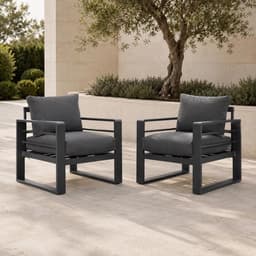
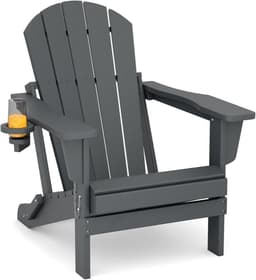
For a PE rattan armchair, cushions come off, then a soft brush gets the grit out of the strands before any water goes on. Warm water with a little washing-up liquid, a soft brush, a rinse, and a proper air dry is the shared method from Ideal Home, Harts and Harbour. Barker and Stonehouse suggest a clean every one to three months on synthetic rattan, which is a rhythm rather than a legal interval. No rattan model was scored in this comparison. If you bought a weave elsewhere, check that the frame under it is the aluminium Ideal Home prefers. An HDPE Adirondack is the simpler pass. The MIDOUAUTOUK chair in the garden armchair buying guide set is solid polyethylene, 17 kg, with no cushion in the components line. Reviewers who had it outside described a wipe after dust or rain. Use a damp cloth and, if pollen has stuck, the same weak washing-up solution, then dry the arms. Do not expect that wipe to close armrests that warped and separated after three months outdoors. Cleaning did not cause that. Metal needs a look at the fixings, not a soak. On the FLEXISPOT rockers, a UK review reported rust around the joints and washers after three days in the garden. Washing the dust off does not reverse that. The listing said it would not rust. The comment says it did. Powder-coated aluminium wants the same soapy cloth and a check that the coating is not chipped back to bare metal. Tighten bolts that have worked loose, with the chair empty. A bolt that was never in the right hole is a fault, not a Saturday clean.

Cushions

Read the cushion label before you choose a machine. Nothing in the kept listings states a wash temperature, so a number invented here would be a guess. If the label allows a gentle wash, do that with the cover off the foam where the zip allows, and dry it fully before it goes back on the chair. If the label says sponge only, sponge only. Harts' FAQ is clear that pads left under a cover grow mould. Dry the foam separately from the frame. A pad put back onto a wet HDPE seat, or into a damp weave, wicks water into the filling. On the FLEXISPOT chairs the title says a thick cushion and reviewers say they can feel the bars. Adding a throw is another layer you must take indoors when rain is forecast. Do not oil the fabric. If the foam itself smells after the cover is clean, the filling has held water and a new pad is the honest outcome.

Dirt or a defect

Some marks are not dirt. On the MIDOUAUTOUK Adirondack, armrests that have warped and pulled apart after three months are a materials complaint. Wiping the grey surface will not seat the joint again. On the FLEXISPOT rockers, rust at the washers after three days outside is not a rinse job, and a wooden rocker that arrived snapped in half is not wear. One buyer found rocker holes so far out of line that the suggested fix was to drill new ones. Drilling turns a faulty part into something you have altered. Photograph it and use the returns route. The Consumer Rights Act 2015, section 22, gives 30 days to reject faulty goods. GOV.UK also describes a 14-day cancellation window for many online orders. A snapped rocker in the box is the example that fits. Fair wear looks different. A bolt that loosens after a summer of people sitting down can be tightened. A grey HDPE arm that is dusty is a cloth. A cushion that has flattened on a chair that never included one is comfort, not a defect. Day-to-day stains stay here. The seasonal decision is the winter page.

Common questions

Can I pressure-wash a rattan armchair?
No, not as the normal clean. Ideal Home and Barker and Stonehouse tell you to skip a pressure washer on synthetic rattan. Harbour's own guide allows only a gentle wide spray and still warns you about water and foam left in the gaps. Use a soft brush, warm washing-up liquid and a hose or bucket, then let the weave dry before any cushion or cover goes back. A lance is how grit and water get driven into the strands you cannot see.
How do I clean an HDPE Adirondack without damaging the grain effect?
Wipe it. A damp cloth handles dust and rain marks on the MIDOUAUTOUK-style polyethylene seat, and a weak washing-up solution covers stuck pollen. Skip scourers, bleach and a pressure washer, which will glaze or scratch the moulded surface. Drying the arms matters more than polish. A wipe does not stop the armrest warp one reviewer saw after three months outside. If the joint has opened, you are past cleaning.
What do I do about mould on cushion covers?
Take the cover off, follow the label, and dry the foam and the fabric separately until neither feels cool or damp. Harts links mould to pads left under a cover. Washing a cover and putting it back on a wet seat, or into a sealed bag, starts the same cycle. If the foam still smells once the cover is fresh, replace the pad. The frame can be perfectly clean and the cushion still be the problem.
An arm warped after a few months outside. Is that cleaning or a return?
It is a return question, not a scrub. One MIDOUAUTOUK review reported armrests warped and separated after three months outdoors, against listing language about snow and warp resistance. Soapy water will not pull that joint back. Photograph the gap, note the dates, and use the 30-day fault right if you are still inside it, or the seller's later process if you are not. Do not force the arm and crack it further before you have asked.
The steel joints rusted. Will washing stop it?
Washing removes dirt. It does not undo rust that has already started at washers and joints. A FLEXISPOT reviewer reported that after three days in the garden, despite a claim the chair would not rust. Dry the metal, keep it out of repeated rain, and treat the comment as a reason to prefer a covered spot or an indoor room. If the coating is bubbling on a chair that was sold as outdoor-proof, that is a complaint to the seller, not a harder jet wash.

Related pages

Sources

Public UK sources for this comparison. Shelf prices observed 21 October 2026. Page updated 22 October 2026.

  1. BSI: BS EN 581-1:2017, outdoor furniture general safety (retrieved 21 October 2026)
  2. BSI: BS EN 581-2:2026, mechanical safety for outdoor seating (retrieved 21 October 2026)
  3. GOV.UK: General Product Safety Regulations 2005, Great Britain (retrieved 21 October 2026)
  4. Consumer Rights Act 2015, section 22 (retrieved 21 October 2026)
  5. GOV.UK: Accepting returns and giving refunds (retrieved 21 October 2026)
  6. Harts Furniture: frequently asked questions (retrieved 21 October 2026)
  7. Barker and Stonehouse: garden furniture care guide (retrieved 21 October 2026)
  8. Ideal Home: rattan garden furniture buying guide (retrieved 21 October 2026)