Independent comparisons. We may earn from shop links. More info

How to light a paraffin lamp

Updated: 22 October 2026

The lamp is on the table and the bottle is in your hand. How to light a paraffin lamp is mostly a wet wick and a short flame. A dry wick smokes or burns away, a tall flame blacks the glass, and a top-up while the metal is hot spills fuel onto a flame. This page is the sequence for a wick lamp you already own. It does not rank the listings. The lamps themselves are the [kerosene lamp comparison](/hub/garden-decor/kerosene-lamp). A qualifying purchase can earn a commission at no extra cost to you.

The lamp is on the table and the bottle is in your hand. How to light a paraffin lamp is mostly a wet wick and a short flame.

Our top picks

On this page

Fill it cold, with the fuel the maker names

Stand the lamp upright, flame out and metal cold. Use the fuel that lamp's maker names. For a Feuerhand 276 that is pure paraffin oil or lamp oil, not petrol, methylated spirits, or scented oil. Which bottle to buy is the kerosene lamp buying guide. A chamber lamp from John Moncrieff is filled to about three-quarters. Feuerhand says fill to the bulge, and this set says 300 ml for the 276. If the leaflet disagrees with a web page, the leaflet wins. Soak the wick for the time in that leaflet. Moncrieff says about 30 minutes for a chamber lamp. Feuerhand's notes have said about 10 minutes and about 20. Do not average them. Close the cap until it seals. Never add fuel while the lamp is alight or still warm.

Light a short wick and warm the glass

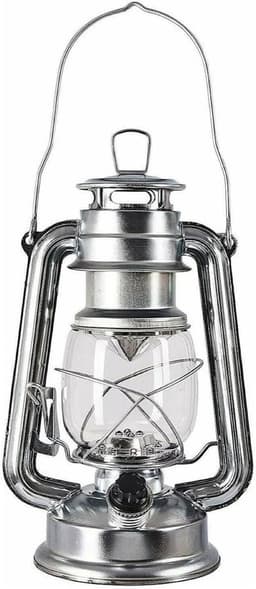
A chamber lamp and a hurricane do not light the same way. On a font, light with the flame low while the chimney warms, then settle the glass. On a hurricane, UK sellers such as Le Petit Jardin and Force 4 describe lifting the glass, lighting a short wick, lowering the glass, and turning the flame down if the chimney blackens. Keep the wick only just proud of the holder. Lower the flame until you cannot see smoke, and stop before the wick leaves the gears. If it drops out, you may not raise it without taking the lamp apart. Thous Winds reviews say the same thing: a long wick smokes. A correct light on a Feuerhand does not move the maker's outdoor rule indoors. The two shapes are hurricane lantern or chamber oil lamp.

When the glass turns black

Black on the glass is almost always a flame that is too high, or a wick edge that has frayed. Lower the wick until the smoke stops. If it does not, put the lamp out, let it cool, trim the edge straight, and clean the glass. Trim cold. Smoke is not a reason to pour a different fuel. Trimming will not save a wick that never draws. UK reviews of the PureBliss pair describe a wick that slips, burns away in seconds, and does not draw oil. HUAXITRA reviews describe a wick that burns out and flanges that bend so the chimney will not sit. That is a failed lamp. If the glass is cracked, do not light it.

Put it out, and do not travel full

Confirm the flame is dead before you move the lamp. Turn the wick down until the flame goes out, or lift the glass and blow it out if that is what your hurricane's instructions say. Do not blow across a pool of fuel. Watch for a minute. A glow you missed will relight the cotton. Feuerhand says not to carry the 276 full. Spare oil stays in its own bottle, away from children. Scottish Fire and Rescue expects oil lamps to be out before bed. Headache, dizziness, nausea or breathlessness, or a carbon monoxide alarm, means get out and call 999. Why a torch still comes first is oil lamp for a power cut.

Common questions

How long do I wait after filling?
Use the time in the leaflet that came with your lamp. A UK chamber-lamp seller, John Moncrieff, says about 30 minutes for that style of font. Feuerhand’s care pages have given about 10 minutes and about 20 minutes in different notes, so those two figures should not be averaged. A wick that is still dry at the tip will smoke or char.
How do I put it out?
Turn the wick down until the flame dies, which is the chamber-lamp method, or lift the glass and blow the flame out if that is what your hurricane’s instructions say. Watch until nothing is glowing. Do not blow down onto a pool of fuel, and do not leave the room on the assumption that a small flame will behave.
Can I top it up while it is lit?
No. Feuerhand says never add fuel while the lantern is burning or warm. Put it out, let the metal cool, then open the cap. Filling a hot lamp is how fuel spills onto a flame. The same rule applies to a glass chamber lamp. A small splash is still a refill.
Can I carry it full?
Feuerhand says not to transport the 276 full, and the handle is hot after use. A full tank that tips can leak, which owners on BushcraftUK also report when a lantern is overfilled or knocked. Move it empty, or move it only the short distance it needs while it is alight and you are watching it, if your own instructions allow that.
Do I trim the wick hot or cold?
Cold, after the flame is out and the glass is safe to handle. Feuerhand’s sequence is to extinguish, cool, then trim a frayed edge straight. A hot trim puts your fingers on the gallery and drops loose char into the burner. If the wick has burned away in seconds rather than frayed, you are not trimming.

Related pages

Sources

Public UK sources for EN 14059, lamp oil, ventilation and poisoning. amazon.co.uk prices, stars and review counts were taken from the listings on 19 October 2026.

  1. legislation.gov.uk, EN 14059 (retrieved 21 October 2026)
  2. London Borough of Bromley, BS EN 14059 (retrieved 21 October 2026)
  3. Cleveland Fire Brigade, lighting safety (retrieved 21 October 2026)
  4. Suffolk Fire and Rescue, lighting factsheet (retrieved 21 October 2026)
  5. GOV.UK, carbon monoxide (retrieved 21 October 2026)
  6. NHS, poisoning (retrieved 21 October 2026)
  7. Feuerhand 276 storm lantern (retrieved 21 October 2026)
  8. Langlow lamp oil, Warrior Warehouses (retrieved 21 October 2026)