Rubber stepping stones vs paving slabs
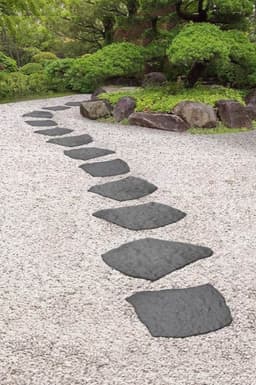
You are comparing a recycled-rubber pad from amazon.co.uk with a concrete or stone flag from a merchant, and both pages use the words paving slab. They solve different jobs. A heavier rubber pad can be a liftable step across a lawn. A bedded slab is what you want when the surface has to stay level under furniture or daily traffic. This page makes that fork. The full table is the [paving slab comparison](/hub/flooring/paving-slab). The Products Compared editorial team used the saved listings and public UK notes, on 19 October 2026, and did not run a slip test. A qualifying purchase can earn a commission at no extra cost to you.
You are comparing a recycled-rubber pad from amazon.co.uk with a concrete or stone flag from a merchant, and both pages use the words paving slab. They solve different jobs.
You are comparing a recycled-rubber pad from amazon.co.uk with a concrete or stone flag from a merchant, and both pages use the words paving slab. They solve different jobs. A heavier rubber pad can be a liftable step across a lawn. A bedded slab is what you want when the surface has to stay level under furniture or daily traffic. This page makes that fork. The full table is the paving slab comparison. The Products Compared editorial team used the saved listings and public UK notes, on 19 October 2026, and did not run a slip test. A qualifying purchase can earn a commission at no extra cost to you.
Our top picks
| Badge | Product | Material | Pack weight | Fixing | Note | Price | Offer |
|---|---|---|---|---|---|---|---|
| Best overall |  Nicoman Nicoman rubber stone blocks, 4 pack | Recycled tyres | 8 kg for four | Place down | 7.5 | about £35.99 | View offer |
| Alternative |  Nicoman Nicoman round rubber steps, 4 pack | Recycled tyres | 11.17 kg for four | Place down | 7.1 | about £39.99 | View offer |
| Best value |  Nicoman Nicoman rubber stomp stones, 4 pack | Recycled tyres | 2.68 kg for four | Place down | 7.0 | about £19.99 | View offer |


On this page
They are not the same object
When rubber is the sensible buy
When a real slab is the buy
The recommendation, with the condition
Common questions
Can rubber replace a patio?
Which is safer when wet?
Do they smell or move?
Is plastic the same as rubber?
Can I paint them?
Related pages
Sources
Public UK sources and amazon.co.uk listings, checked on 19 October 2026. Shelf prices and star lines are the figures in the display file. The Turnbull porcelain price is one merchant example, not a concrete-flag band.
- Class F, GPDO 2015, hard surfaces (retrieved 19 October 2026)
- GOV.UK, permeable surfacing of front gardens (retrieved 19 October 2026)
- HSE, cutting paving blocks, kerbs and flags (retrieved 19 October 2026)
- HSE CIS54, dust from cutting paving (retrieved 19 October 2026)
- Pavingexpert, concrete flags (retrieved 19 October 2026)
- Pavingexpert, laying flags (retrieved 19 October 2026)
- BSI, BS EN 1341:2012 external natural stone slabs (retrieved 19 October 2026)
- Bradstone, British Standard paving (retrieved 19 October 2026)