Independent comparisons. We may earn from shop links. More info

Horse manure buying guide: what to check before paying

Updated: October 2026

You are standing beside a pallet, an Amazon listing or a stable heap, and every option seems to contain the word manure. This horse manure buying guide uses a stricter test: the animal must be named, the format must match the job, and the size fields must describe one believable pack. The [horse manure comparison](/hub/fertiliser-soil-and-bark-mulch/horse-manure) ranks three amazon.co.uk products, but those products are rose food or a bundle rather than bulk manure. For beds and allotments you will usually need well-rotted material sold by volume. Make that distinction before you compare prices, or a cheap box becomes an expensive answer to the wrong problem.

You are standing beside a pallet, an Amazon listing or a stable heap, and every option seems to contain the word manure.

Our top picks

On this page

What the label has to say

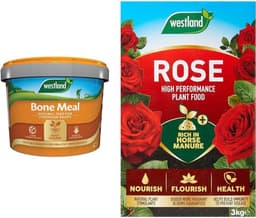
Start with the product name. Horse manure, composted horse manure or well-rotted horse manure names the source. Farmyard manure may be cattle manure or a mixture from unnamed animals. If the animal matters, do not infer horse from a generic sack. Then read the job. A soil improver sold by the litre is organic material for beds. The Westland and Topline products are 6 kg packs of rose-food granules enriched with horse manure. That can suit feeding roses. It is not a manure mulch. The third listing bundles 8 kg of bone meal with 3 kg of rose food. For a named rose-food choice, see best horse manure. For a plot, keep looking until the label states the animal, the rotted or composted condition, and the volume.

Match the pack to the job

Beds need volume. One plant needs a measured feed. A manure mulch is normally at least 5 cm deep, which the RHS equates to roughly 50 litres per square metre. A 10 m² bed could need around 500 litres. No 6 kg box of rose-food granules replaces that, even if both products mention horse manure. A related Westland page uses a handful of about 35 g, but the twin-pack Amazon table prints no gram rate. Use the box you receive. Kilograms per square metre and mulch depth are different jobs, set out in how to use horse manure. Check access before you order a bulk bag.

Bedding, age and figures that agree

For loose stable manure, ask about the bedding. Straw can compost readily. Wood shavings need longer. UK guidance uses at least six months in general, and about a year with wood bedding. Age and appearance are in fresh or rotted horse manure. Also ask about hormone weedkiller on pasture, hay or silage. A rotted look does not clear that. Peas, beans, potatoes, tomatoes, carrots, parsnips and lettuce are the sensitive crops. On a listing, check the arithmetic. Topline states two 3 kg boxes, 6,000 g and 6 kg, so those figures agree. Westland states two 3 kg boxes and 6 kg, but a 2-litre field sits on the granule listing. The bundle states 8 kg of bone meal plus 3 kg of rose food and 11,000 g, yet the item-weight field says 3 kg. Do not calculate a price per litre from figures that clash.

What to pay for, and what to leave

On 20 October 2026, Topline's 6 kg twin pack was £19.99 and Westland's was £21.10. The bundle was £27.54. Those prices matter only if you need those feeds. Westland had 4.6 from 1,661 reviews, Topline 4.6 from 68, and the bundle had no star line. Missing reviews are missing evidence, not a zero-star product. One composted horse-manure offer was £119.34 on 21 October 2026, with other bulk prices differing by volume and delivery. A cheaper farm-manure bag is not horse manure unless it says so. Pay when five answers are clear. Is horse named? Is it a feed or a soil improver? Is it well rotted for your use? Do weight, volume and pack count agree? Can you check the source if the crop is sensitive? Leave a listing that mixes units, or a seller who cannot describe loose material.

Common questions

Is farmyard manure the same as horse manure?
Not necessarily. Farmyard manure can be cattle manure or a mixture from different animals, depending on the product. If you specifically want horse manure, look for horse in the title or description. A generic farmyard label is not proof of the animal.
Is a manufacturer's bag already well rotted?
BBC Gardeners' World treats a manufacturer's bag of manure as already well rotted, provided it is actually bagged manure. That does not apply to a 6 kg box of rose-food granules merely enriched with horse manure. Check the product type as well as the phrase on the front.
What should I ask a stable?
Ask how old the heap is, whether the bedding is straw or wood, and whether a hormone weedkiller was used on pasture, hay or silage. Also ask whether you must collect it and whether the material contains visible rubbish. Unknown answers matter most when the manure will go near sensitive vegetables.
Which pack figures should agree?
The title, unit count, item weight, pack count and volume should describe the same offer. Two 3 kg boxes should total 6 kg. An unexplained 2-litre field on a granule pack, or a 3 kg item weight on an 11 kg bundle, is a reason to avoid a derived unit price and to check what will actually be delivered.
Is a 6 kg box enough for a bed?
Not when the box is concentrated rose food. A 5 cm organic mulch needs about 50 litres per square metre, so bed coverage is a volume question. Buy manure or compost sold in litres or cubic metres, and use granules only at the rate printed for individual plants.
Do review counts decide which manure to buy?
Review counts show how much buyer evidence supports a retail listing. They cannot make the wrong format suitable. A heavily reviewed rose food is still not bulk manure. Start with the animal, the job, the age and a coherent pack size. Use ratings only after those checks are satisfied.

Related pages

Sources

Public UK sources from the research digest, used for this page in October 2026. Prices, stars and review counts are from the three amazon.co.uk listings captured on 20 October 2026. None of those tables prints an NPK. A handful rate on a maker page is not an amazon.co.uk line. A missing star line is not a zero-star product. This is not a laboratory test.

  1. BBC Gardeners' World, horse manure (retrieved 20 October 2026)
  2. RHS, organic matter: how to use (retrieved 20 October 2026)
  3. RHS, how to mulch (retrieved 20 October 2026)
  4. RHS, weedkiller in manure (retrieved 20 October 2026)
  5. HSE, aminopyralid in manure (retrieved 20 October 2026)
  6. GOV.UK, storing organic manures in nitrate vulnerable zones (retrieved 20 October 2026)
  7. Nitrate Pollution Prevention Regulations 2015, regulation 23 (retrieved 20 October 2026)
  8. Garden Health, Westland rose food (retrieved 20 October 2026)