Independent comparisons. We may earn from shop links. More info

Citrus feed vs tomato feed

Updated: October 2026

You already have a high-potash tomato bottle in the shed, and the lemon on the patio is due a feed. Citrus feed vs tomato feed is a stopgap question, not a second ranking of the eleven citrus packs. Tomato feed can keep a tree alive for a short stretch. It is not the same aisle as a citrus-named bottle with the micronutrient set those specialist pages talk about. The [citrus fertiliser comparison](/hub/fertiliser-soil-and-bark-mulch/citrus-fertiliser) holds citrus products only. We read those listings on 21 October 2026. We did not test tomato bottles and we did not run a lab.

You already have a high-potash tomato bottle in the shed, and the lemon on the patio is due a feed. Citrus feed vs tomato feed is a stopgap question, not a second ranking of the eleven citrus packs.

Our top picks

On this page

What tomato feed actually supplies

Tomato feed is sold for fruiting crops. The usual amateur story is high potash, which supports flowers and fruit on tomatoes. That NPK shape is not printed on any row in this citrus comparison, and we will not invent a Tomorite analysis as if it were. What the specialist citrus pages say, instead, is what tomato feed usually skips: iron, magnesium, manganese, zinc and the rest of the trace set. Jardine’s UK lemon-care note calls tomato feed a stopgap and links pale, mottled leaves to a tomato-only programme. The Royal Horticultural Society tells you to use a proprietary citrus fertiliser. It does not tell you to use tomato feed. Plants4Presents asks for a dedicated feed because of iron, calcium, magnesium, boron, copper and zinc. Those are grower pages, not a trial we ran.

What citrus feeds are for

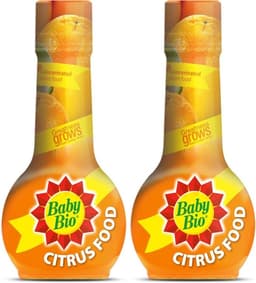
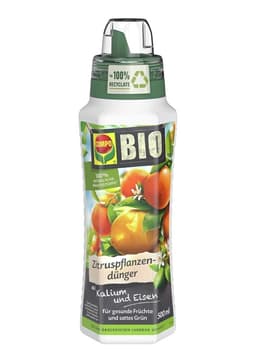
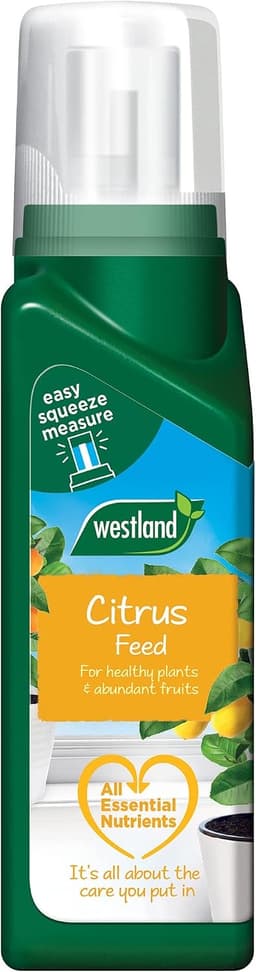
A citrus-named feed is sold for lemon, orange, lime, kumquat and similar pot plants. COMPO prints 3.1 + 0.5 + 4.1 and extra potassium. Extra potassium on a citrus bottle does not make it tomato feed. Micronutrients are the buying reason, and they are only a site fact when the card shows them. According to the product data, Westland’s bullets mention essential nutrients and trace elements without numbers. Baby Bio does not print an analysis on these listings. The citrus fertiliser buying guide is the form-and-label page if you have decided to buy a specialist bottle. The Baby Bio bundle’s houseplant half is not a citrus micronutrient set on its own.

When the shed bottle is enough for a month

Use tomato feed as a bridge when the lemon is otherwise healthy, the compost drains, and you will buy a citrus bottle on the next shop. Do not use it as a years-long programme. If leaves yellow between the veins while the pot is correctly watered, the shed bottle has reached its limit. If leaves yellow because the saucer is full, feeding is the wrong lever. A seedling can live a few weeks on a dilute tomato feed. A fruiting conservatory lemon is the plant that justifies a citrus product. Water first, then dilute, on how to feed a lemon tree. Tomato feed is not a winter formula. That calendar is on winter citrus feed.

Do not run both

Do not stack a full citrus drench and a full tomato dose in the same week. Pick one bottle for the watering can. If you switch, finish the tomato week, then start the citrus bottle at the pack rate. COMPO’s extra-potassium bullet does not mean you should add tomato feed on top. The specialist bottle is worth buying when you want the named citrus job. The shed bottle is worth using when that is all you have this week.

Common questions

Can I use tomato feed on a lemon tree?
Yes, as a short stopgap if the tree is otherwise healthy and you dilute as that tomato pack says. The RHS does not instruct you to do this. Specialist UK pages treat tomato feed as incomplete for citrus because of missing traces. Mottled leaves between the veins are the sign to switch. It is not a synonym for citrus fertiliser.
Will a lemon fruit on Tomorite alone?
We will not promise fruit from tomato feed or from a citrus bottle. Fruiting depends on light, temperature, watering and the plant, not on a shed label. Tomato feed can support a plant for a time. It is not a fruit guarantee and it is not the micronutrient set citrus sellers describe.
Why do leaves go yellow between the veins?
Interveinal yellowing is the pattern grower pages link to missing iron, magnesium and other traces after a tomato-only programme. The RHS also lists wet or dry roots, draughts, cold and hunger as reasons citrus yellow. Check watering before you buy a second bottle. If the pot is right and the mottling remains, a citrus-named feed is the next purchase.
Is houseplant food the same problem?
A general houseplant feed is closer to the stopgap than to a citrus-named bottle. It may keep leaves alive. It is not sold as a citrus micronutrient set. The Baby Bio bundle in this capture includes both a citrus concentrate and original house plant food. Those are two jobs. Do not treat the houseplant half as enough for a fruiting lemon.
When should I switch to a citrus bottle?
Switch when you want a named citrus job, when mottling appears on a tomato-only programme, or when you plan to keep the tree through a UK winter. A seedling can wait a few weeks. A conservatory lemon you paid for is worth the specialist bottle. Form and pack size are on the buying guide, not on this pair.
Does a high-potash citrus liquid replace tomato feed?
A citrus liquid that mentions extra potassium is still a citrus product. COMPO prints 3.1 + 0.5 + 4.1 and extra potassium. That does not make it tomato feed, and it does not mean you should run both. If you have bought a citrus bottle, use that bottle. Leave the tomato feed for tomatoes.
Do I need both at once?
No. One watering-can feed at a time. Stacking salts in a pot does not add traces in a measured way. If you are changing bottles, finish one programme and start the other at the pack rate. Foliar citrus spray is a top-up to a root feed, not a reason to add tomato concentrate as well.

Related pages

Sources

Public UK sources used for this page in October 2026. Prices, stars and review counts are from the eleven amazon.co.uk listings captured on 21 October 2026. A year-round line, an NPK and an organic wording are listing claims. OMRI and USDA are US schemes. This is not a laboratory test and not a feeding trial.

  1. RHS, How to grow citrus (retrieved 21 October 2026)
  2. RHS, Citrus problems (retrieved 21 October 2026)
  3. RHS, Citrus × limon (retrieved 21 October 2026)
  4. GOV.UK, Manufacturing and marketing fertilisers (retrieved 21 October 2026)
  5. GOV.UK, Product marking by sector (retrieved 21 October 2026)
  6. Defra, Compost: Peat, written answer 19 March 2026 (retrieved 21 October 2026)
  7. Plants4Presents, citrus tree care (retrieved 21 October 2026)