Biochar vs compost: which one you actually need
You hoped one bag would feed the bed and fix the soil structure, and the listing says soil improver and fertiliser in the same breath. Compost and biochar do different jobs. Compost is organic matter that breaks down and supplies a flush of nutrients. Biochar is a stable, porous carbon that holds water and nutrients and does not rot away on a compost timetable. If the bed is short of organic matter, buy compost first. Add char when you still want that stable carbon, at the rate on the bag, charged if it is plain. This page is that choice. The bags themselves are on the [biochar comparison](/hub/fertiliser-soil-and-bark-mulch/biochar). A qualifying purchase can earn a commission at no extra cost to you.
You hoped one bag would feed the bed and fix the soil structure, and the listing says soil improver and fertiliser in the same breath. Compost and biochar do different jobs.
You hoped one bag would feed the bed and fix the soil structure, and the listing says soil improver and fertiliser in the same breath. Compost and biochar do different jobs. Compost is organic matter that breaks down and supplies a flush of nutrients. Biochar is a stable, porous carbon that holds water and nutrients and does not rot away on a compost timetable. If the bed is short of organic matter, buy compost first. Add char when you still want that stable carbon, at the rate on the bag, charged if it is plain. This page is that choice. The bags themselves are on the biochar comparison. A qualifying purchase can earn a commission at no extra cost to you.
Our top picks
| Badge | Product | Pack size | Feedstock stated | Activated on the listing | Note | Price | Offer |
|---|---|---|---|---|---|---|---|
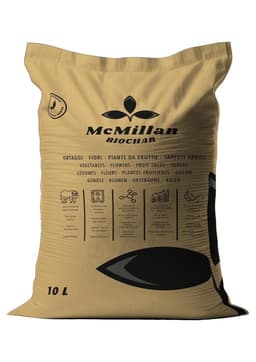
| Best overall |  McMillan McMillan Biochar 10L | 10 litre | Pure wood (listing) | No | 5.4 | about £26.95 | View offer |
 Invigortex Black Gold Activated Biochar Soil Amendment (1 Litre) | 1 litre | Sustainably sourced organic material (no species named) | Yes, in the title | 7.6 | about £7.99 | View offer | |
| Preis-Tipp |  Invigortex EarthCraft Blends Bio Char Soil Improver for Plants (40 Litre) | 40 litre | Not stated | No | 7.1 | about £33.98 | View offer |


Preis-Tipp
Invigortex EarthCraft Blends Bio Char Soil Improver for Plants (40 Litre)On this page
What each material is for
When compost is the right purchase
When biochar earns a place beside it
The fertiliser word on a listing
Common questions
Is biochar a fertiliser?
Does biochar rot away like compost?
Will it feed tomatoes on its own?
Is barbecue charcoal the same choice?
Why does McMillan say fertiliser if the RHS does not?
Related pages
Sources
Public UK sources from the research digest, used for this page in October 2026. Prices, stars and review counts are from the eight amazon.co.uk listings in this set, captured for the 19 October 2026 scoring pass. No kept bag shows an EBC class, a Soil Association number, a pH or an NPK. RPS 366 is an England position for waste-code biochar, not a household rule for Scotland, Wales or Northern Ireland.
- RHS, biochar (retrieved 19 October 2026)
- GOV.UK, RPS 366 storing and spreading biochar (retrieved 19 October 2026)
- GOV.UK, LRWP 60 making biochar from waste (retrieved 19 October 2026)
- GOV.UK, check if your material is waste (retrieved 19 October 2026)
- legislation.gov.uk, PFC 3 soil improver (retrieved 19 October 2026)
- European Biochar Certificate (retrieved 19 October 2026)
- Carbon Gold soil improver (retrieved 19 October 2026)
- SoilFixer, biochar application rates (retrieved 19 October 2026)