Bamboo fertiliser buying guide
You are looking at an amazon.co.uk search for bamboo fertiliser, and the first screen has mixed a garden sachet with a vase bottle. A 10 g pack at £2.95 sits next to a lucky-bamboo liquid at £16.79 and a spray whose bullets talk about Brazilian wood. This bamboo fertiliser buying guide is the order to use before the [bamboo fertiliser comparison](/hub/fertiliser-soil-and-bark-mulch/bamboo-fertiliser): name the plant, read the three numbers, then check the fill and the rate. Prices are GBP shelf prices on 19 October 2026. Products Compared compared the listings and public UK advice, not a lab trial. A qualifying purchase can earn a commission at no extra cost to you.
You are looking at an amazon.co.uk search for bamboo fertiliser, and the first screen has mixed a garden sachet with a vase bottle.
You are looking at an amazon.co.uk search for bamboo fertiliser, and the first screen has mixed a garden sachet with a vase bottle. A 10 g pack at £2.95 sits next to a lucky-bamboo liquid at £16.79 and a spray whose bullets talk about Brazilian wood. This bamboo fertiliser buying guide is the order to use before the bamboo fertiliser comparison: name the plant, read the three numbers, then check the fill and the rate. Prices are GBP shelf prices on 19 October 2026. Products Compared compared the listings and public UK advice, not a lab trial. A qualifying purchase can earn a commission at no extra cost to you.
Our top picks
| Badge | Product | Stated use | Stated NPK | Pack size | Note | Price | Offer |
|---|---|---|---|---|---|---|---|
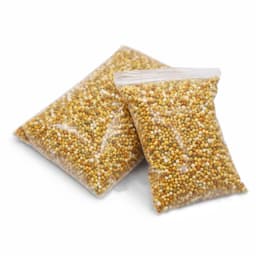
| Best overall |  Generic Slow release granules 15-9-12, 10 g | Garden bamboo | 15-9-12 | 10 g | 7.4 | about £2.95 | View offer |
| Preis-Tipp |  Generic High potassium granules 12-8-19, 500 g | Garden bamboo | 12-8-19 | 500 g | 5.4 | about £12.95 | View offer |
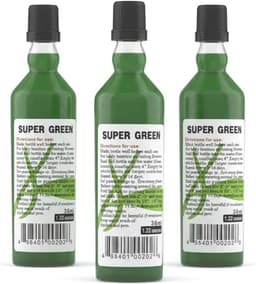
| Alternative |  LuckyBamboo Super Green lucky bamboo liquid, 3 bottles | Lucky bamboo | Not stated | 3 x 36 ml | 4.6 | about £16.79 | View offer |

On this page
Name the plant before you name the bottle
What the three numbers are doing
Pack size, price and a rate you can follow
What you can skip on the label
Common questions
Do I need a special bamboo fertiliser if the plant is in the ground?
What NPK should you look for on garden bamboo?
Is 12-8-19 the same job as 24-8-16?
Are the Osmocote titles an ICL product?
Why is a £2.95 sachet a poor way to buy granules?
Which bottle is for lucky bamboo rather than a hedge?
Related pages
Sources
Public UK sources used for this comparison, last checked in October 2026. Prices, stars and review counts are from the nine amazon.co.uk listings captured on 19 October 2026. Nursery prices for 24-8-16 are from The Palm Centre and Blue Nurseries, not from these listings. This is not a laboratory test.
- RHS, bamboo growing guide (retrieved 19 October 2026)
- RHS, feeding plants (retrieved 19 October 2026)
- RHS, fertiliser labels explained (retrieved 19 October 2026)
- RHS, bamboo control (retrieved 19 October 2026)
- GOV.UK, manufacturing and marketing fertilisers (retrieved 19 October 2026)
- GOV.UK, product marking by sector (retrieved 19 October 2026)
- Fertilisers Regulations 1991 (retrieved 19 October 2026)
- Assimilated Regulation (EC) No 2003/2003 (retrieved 19 October 2026)
- BBC Gardeners' World, lucky bamboo (retrieved 19 October 2026)
- The Palm Centre, bamboo growth fuel (retrieved 19 October 2026)
- Blue Nurseries, bamboo fertiliser (retrieved 19 October 2026)