When a garden fence needs a professional: the stop

A garden fence needs a professional when the boundary is disputed, the house is listed, or the ground is soft. Firm, level ground remains a different job.
On this page

Two of you, a string line, and a bundle of hurdles on ground that took a spade cleanly last autumn: that can be a morning's work. A garden fence needs a professional when the line is disputed, the house is listed, the holes fill with water, the screen is a balcony, or something is supposed to hold soil. The willow itself is not the reason to stop.
Products Compared used Hazel Hurdle World's fitting guide, Historic England, one council's listed-building page, and HM Land Registry. No labour price was published on those pages, so labour is n/a. Links to amazon.co.uk use the tag pcuk26-21. A qualifying purchase can earn a commission at no extra cost to you.
In short
Hazel Hurdle World times a four-panel hurdle run as a morning for two people on firm ground without concrete. Concrete adds a curing day on their account. Stop and get help, or consent, if the boundary is disputed, the building is listed or in a conservation area, the posts need real depth in soft or exposed ground, or the screen goes on a balcony or has to hold soil. A roll on a sound fence you may alter is not the professional trigger. The support underneath it might be.
The job the fitting guide treats as a morning
Hazel Hurdle World calls hurdles forgiving. Two people, a spade, a spirit level and pliers. Once the string line is set, about a panel every 15 to 20 minutes, so a four-panel run is a comfortable morning on that page. Four stainless cable ties hold each upright. The weave stays an inch or two off the soil. Screws through the rods are a mistake in their table.
That timing assumes firm ground, no concrete, permission to build, and a permitted height. A 6 ft panel beside a pavement can fail the 1 metre highway test in England and Wales. Check garden fence height rules first. Panel prices, posts excluded, are in willow hurdle fence cost. UC4 posts are 1.8 m for panels up to 4 ft and 2.4 m for 5 ft and 6 ft, one post per panel plus one. Guessing a post length is not.
A screening roll is smaller than that morning if the fence behind it is sound. You are tying a mat, not setting a line. Abaseen, the top pick in our wattle fence comparison, is £49.99, with the title and the specification both 1.5 m by 4 m. It still requires a structure you may alter. If the structure rocks, you are back to posts.
Soft ground, concrete and a slope
The fitting guide's extra day is concrete. Posts need to cure before they take the panel. Loading them the same afternoon is how a straight line becomes a lean. Soft ground, made-up ground beside an extension, a corner that has already thrown a fence, and an exposed hilltop or wind gap are the signs you have left that morning. This article does not invent a hole depth. A fencer who will specify the post and the concrete is the person to set those holes.
Hurdles can step down a slope, and the maker says you are not fighting a heavy panel into a slot. You are still setting posts at different heights. Measure the finished top against the height rules on both the uphill and downhill faces. A panel that is legal on the high side can read as too tall from the pavement below. If you cannot explain both faces, do not dig.
Water in the hole is a stop, not a problem for more postcrete. If the hole fills as you dig, the firm-ground guide does not apply. Fill it in and get someone who builds fences in that soil. A roll tied to leaning posts avoids none of this.
A disputed boundary
HM Land Registry says there is no left-or-right rule, and that posts and rails are not a reliable guide. Title plans show general boundaries, so the legal line and the fence you can see may not match. Read the documents in who owns the boundary fence before anyone digs. Until those papers are clear, call a solicitor or a surveyor if you and the neighbour cannot agree. A fencer who arrives while you are still arguing will build whatever line you point at.
Concrete makes a bad line permanent. A hurdle on spikes you could lift is still the wrong thing on disputed ground, and a concreted post is worse. Do not put it up for now and promise to move it. Musgrove's suggestion that you can erect a fence on your own side applies only once you know which side is yours.
If the papers name you as the repairing owner, a long run or poor ground can still be a skills hire. If the papers are silent, talk before you hire. Silence is not permission for the neighbour with a post auger.
Listed buildings and conservation areas
Historic England says listed status often protects garden structures, and that repair of an old boundary is usually better than replacement. A new fence at a listed house needs planning permission on that page. An Article 4 direction can require permission in a conservation area. Removing an old wall or railing is likely to need consent, because boundary structures are often as old as the house.
Bassetlaw's listed-building page draws a split you should not flatten. Alterations to historic boundary walls, railings, gates or fencing in the curtilage can need listed building consent. A new free-standing fence, on that council's wording, needs planning permission, and listed building consent is described as not required unless the new work is fixed to the listed building or a historic structure. North Hertfordshire does not use the same sentences. Ask yours before a hurdle is tied to a listed wall just as a screen.
A contractor does not supply the consent by arriving in a van. Hire after the planning question is answered. Musgrove's bespoke frames are non-returnable, so order after the authority has answered. Hedge cutting and tree preservation orders are a further consent, separate from the nest offence in nesting birds and garden fence work. You can need the council and still have to wait for a nest.
Balconies and anything holding soil
A balcony is a load, a lease and a drop. None of the four amazon.co.uk listings states a tested fixing or a balcony load. Abaseen's page mentions a porch, a patio or a garden railing, and removal without damage. If the roll can fall, the failure is not cosmetic. Treat a balcony screen as a professional job, and only where the lease allows it.
A hurdle wants air under the weave. A retaining edge wants mass. Soil against the rods is the damp the fitting guide tells you to avoid, and a tied panel is not specified for that load. If the ground level differs by more than a shallow step, get a structure designed for the soil, then decide whether willow belongs on the face. A roll on a sleeper wall that is already bowing is camouflage.
Party walls and basement lightwells sit with this stop. If you are not sure the fence is only a fence, assume it is holding something until a builder tells you otherwise. Labour stays n/a. When you hire, ask for post size, whether concrete is used, what happens if the boundary is challenged, and whether they will stop for a nest or a listing. A price without those sentences is a panel-hanging price.
Common questions
On firm ground, with no concrete, two people can fit about four hurdles in a morning on Hazel Hurdle World's terms. Concrete, soft or exposed ground, a disputed line, a listed house, a balcony, or soil behind the weave is where that morning stops. You do not need a professional merely because the screen is willow.
Common questions
Can two people fit willow hurdles in a morning?
When does concrete take the job past a weekend?
Should I stop if the boundary is disputed?
Does a listed house always need listed building consent for a new fence?
Who should set posts in soft or exposed ground?
Can I tie a screening roll to a balcony?
Is a fence that holds back soil still a hurdle job?
Do I need a professional just because the panel is willow?

Peter F. is the editor for DIY & tools at productscompared.co.uk. Comparisons in this category are checked against amazon.co.uk listings, review evidence and public UK sources.
Related articles

Who owns the boundary fence in the UK
Posts do not prove ownership. Read the register before anyone digs.

Garden fence height rules in the UK
Listed houses and highways change the height test before anyone lifts a spade.
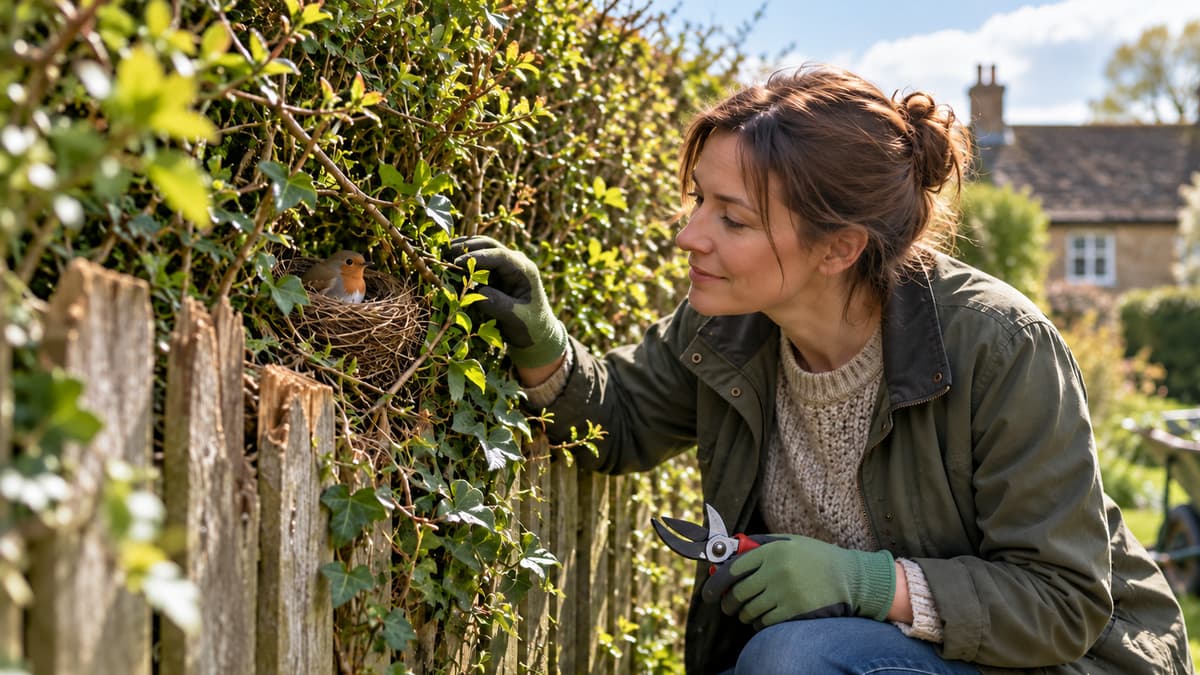
Nesting birds and garden fence work
A nest in use is a reason to wait, not a reason to hand over the strimmer.