Independent comparisons. We may earn from shop links. More info

Worm castings vs compost: a small share, not the fill

Updated: October 2026

You already buy a peat-free multipurpose compost, and a listing for worm castings is priced like a concentrate while it talks like a compost. Worm castings vs compost is that fork: one material fills a bed or a pot, the other is a small, dearer amendment you add when the pack matches its label. We set the two side by side using Royal Horticultural Society guidance, a compost price band updated on 14 October 2026, and the shelf prices in our [worm humus comparison](/hub/diy-supplies/worm-humus). A qualifying purchase can earn us a commission at no extra cost to you. We did not run a plot trial. Compost does the bulk. Castings earn a place only as a checked addition.

You already buy a peat-free multipurpose compost, and a listing for worm castings is priced like a concentrate while it talks like a compost.

Our top picks

On this page

Three different materials

Garden compost, potting compost and worm castings get bundled because the bags are brown. They are not substitutes. Garden compost from a heap improves soil, and Garden Organic says it is the wrong thing to use as the whole of a seed mix or a hanging basket. Potting compost, including a peat-free multipurpose, is built to fill pots and trays. Worm castings, also sold as worm humus or vermicompost, are what worms leave behind. The RHS calls worm compost a soil conditioner and one constituent of a homemade mix. A wormery does not replace the compost heap. Leachate from a bin, diluted about 1:10, is a different liquid, and its analysis varies. Organic on either bag is often a loose word. None of the ten castings listings prints a PAS 100 or Soil Association number. Use the checks in the worm castings buying guide before you treat a title as a certified input.

Bulk against a concentrate

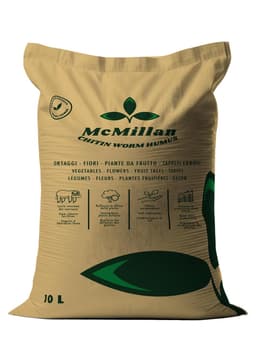
A round-up of peat-free and multipurpose compost, updated on 14 October 2026, put 50 to 70 litre bags at about £0.21 to £0.44 per litre. In our amazon.co.uk set, the small castings titles that agree with themselves land at about £3 to £7 per stated litre. The 1.5 litre B2C bag is £9.89, about £6.59 a litre. McMillan's 10 litre powder is £26.95, about £2.70 a litre, and it is a larva-digested powder rather than a straightforward earthworm casting. Willy Worms listed 20 litres at £9.99 on 16 October 2026, about £0.50 a litre, still far dearer than multipurpose compost. A bed a metre square and 10 cm deep is about 100 litres. At £6 a litre of castings that is a different budget. Titles that look cheaper because they say 40 or 100 litres are not the bargain when the weight cell says 1 kg or 850 g.

Pots and hungry plants

Castings justify their litre price when the job is small. A houseplant mix, a greenhouse pot, or a ring around a hungry plant can take a 5 to 10 percent share. You buy a litre or two, and the rest of the container is still compost. That is a poor case for emptying castings in as the medium. Bought castings will not rebuild a whole plot, so they belong in pots and beside hungry plants. A courgette in a 40 litre container might get a litre worked in. A new allotment bed gets compost, not a title with a broken weight cell. Rates, and the warning not to sow into neat castings, are on how to use worm castings. If your peat-free compost already lists castings, you may not need a second bag this month.

When compost wins outright

Buy the compost bag when you are filling. New raised beds, hanging baskets, patio pots and any seed sowing want volume and a medium made for that job. Castings do not stand in for seed compost, or for the 50 litres a basket and two large pots will swallow. At about £0.21 to £0.44 a litre, the compost is the spend that matches the hole. Compost also wins when the castings listing cannot be priced honestly. A 40 litre title at £29.99 with a 1 kg cell is not 40 litres of amendment. A liquid at £28 with no volume is not a concentrate you can dilute from the label. Use both only when compost fills the pot and a small, checked share of castings goes where a plant is growing. You can garden with peat-free compost and never buy castings.

Common questions

Are worm castings better than compost?
They are better only at a different job. Castings are a concentrated amendment. Compost is the bulk medium or the soil improver. The RHS treats worm compost as a conditioner and as part of a mix, not as a replacement for a compost heap or for potting compost. Better without that split is how the dearer bag gets used for the wrong task.
Can I fill a raised bed with them?
No. A bed needs tens or hundreds of litres. Castings in this set cost about £3 to £7 per stated litre when the small packs agree, against about £0.21 to £0.44 for multipurpose compost in the 14 October 2026 round-up. Fill the bed with compost or soil improver. Add castings, if you add them, as a small share around plants that are already growing.
Can I raise seeds in them?
Not as the whole tray. Seed compost, or a fine potting compost, is the medium. Neat castings are the wrong sowing mix, and garden compost from a heap is also a poor sole medium for a tray or a basket. A small share later, in a larger pot, is the point where castings join the compost.
Why do they cost more per litre?
You are paying for a concentrated amendment, often in a 1 to 10 litre pack, not for a 60 litre sack of multipurpose compost. Specialist 20 litre castings can be about £0.50 a litre, as with Willy Worms at £9.99 on 16 October 2026, which is still above compost and far below a muddled small Amazon bag. The price is only meaningful after the litre cells agree.
Is worm compost the same as the compost heap?
No. A wormery makes castings and a liquid. A compost heap makes garden compost. The RHS says the wormery does not replace ordinary composting. Wormery liquid, diluted about 1:10, is not a bag of multipurpose compost either. The two stay separate jobs even when both bags are brown.

Related pages

Sources

Public UK sources for this comparison. amazon.co.uk listings were read on 16 October 2026.

  1. RHS, worm composting (retrieved 16 October 2026)
  2. RHS, homemade fertilisers (retrieved 16 October 2026)
  3. RHS, houseplant growing media (retrieved 16 October 2026)
  4. GOV.UK, waste exemption T26 (retrieved 16 October 2026)
  5. GOV.UK, compost from waste resource framework (retrieved 16 October 2026)
  6. PAS 100:2018 via NBS (retrieved 16 October 2026)
  7. Consumer Rights Act 2015, section 11 (retrieved 16 October 2026)
  8. RHS, statement on peat (retrieved 16 October 2026)
  9. Gardenware, how to apply worm castings (retrieved 16 October 2026)