Independent comparisons. We may earn from shop links. More info

Citrus plants buying guide: UK checks before you pay

Updated: October 2026

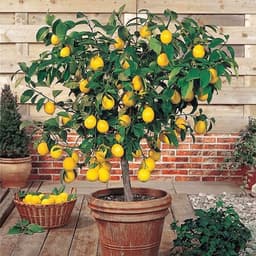
You have a lemon, a calamondin, or a faux lemon tree in the basket on amazon.co.uk, and the photograph looks like a finished crop. A citrus plants buying guide should settle four things before you pay: whether the object is alive, whether you can hold a winter place for it, what size will actually arrive, and whether a UK plant passport applies. The [citrus plants comparison](/hub/trees-and-palms/citrus-plants) ranks the listings in this set. This page is the order of checks, not a winner for a conservatory. Named jobs sit on [best citrus plants](/hub/trees-and-palms/citrus-plants/sub/citrus-plants-best).

You have a lemon, a calamondin, or a faux lemon tree in the basket on amazon.co.uk, and the photograph looks like a finished crop.

Our top picks

On this page

Live plant or artificial tree

A living citrus plant and an artificial lemon tree are different purchases, even when the search results put them in one row. Stars, watering, and a plant passport belong to one group or the other. The question that matters is whether you want fruit, or the look without light and water. If the flat is dark, or you already know you will not water, stop the living-plant checks and use artificial or live citrus plants. The best value, a Hollyone table tree at about £19.99 and 40 cm, is a décor object. The top pick, a Carbeth lemon at about £26.99 in a 12 cm pot, is a young plant that still needs a bright, frost-free winter.

The winter place you can hold

No citrus in this set is hardy outdoors through a British winter. Bring it in when autumn nights start to dip, and match the room to the type before you order. The RHS grow guide says some lemons are fine near 5°C, while the RHS citrus problems page says lemons should not sit below 10°C at night. Those are two RHS pages, not one figure you can average. The Duchy of Cornwall nursery leaflet also uses 10°C at night for lemon and lime. A warm, dry living room is a poor long-term home. Calamondin is the stricter night. The grow guide, the problems page, and the Duchy leaflet all put it at least at 13°C. Meyer is not confirmed on the Carbeth lemon rows here, so do not buy those pots as a named Meyer. If you cannot hold the night minimum, buy a faux tree rather than a fleece plan on the patio. Watering through those months is the subject of citrus winter care.
Carbeth Plants Carbeth calamondin

Testsieger

Carbeth Plants Carbeth calamondin
5.6/10about £27.99

Pot size, height, and the photograph

Most of the living plants in this set arrive in a 12 cm pot, about 20–30 cm tall. That is a young plant, not the laden tree in the photograph. Do not plan a huge new pot on day one. The RHS problems page says not to move citrus into a container much larger than the root ball. One gift calamondin, ASIN B0FXH3X4FZ, lists a 2 metre height against that same 12 cm pot. Treat the 2 metre line as a conflicting attribute, not as the plant you will unpack. Calamondin fruit that does appear is small and acid, useful for marmalade and a garnish, not a sweet orange. A floor faux tree at 120 cm or 150 cm is stated plastic height, and you should measure the ceiling yourself.

Passport, price, and reviews

A distance sale of a living plant to a private buyer in Great Britain still needs a UK plant passport, under GOV.UK guidance on issuing plant passports. A plant sold in person to a private buyer does not. Northern Ireland follows a different plant-health regime. A faux tree sits outside that passport rule. The passport does not prove the cultivar, the pot size, or that fruit will appear this year. Prices here are shelf figures for this set. Small faux plants sit around £18.99–£19.99. Living 12 cm pots sit around £26.99–£29.99. A lemon-and-orange pair is £34.99. Floor faux trees are £49.99 and £69.99. Carbeth’s lemon B09R4RLNQH shows 4.4 from 629, and part of the review text belongs to another plant. Do not treat that score as a clean lemon sample.

Common questions

Can I leave a lemon or calamondin outside through a British winter?
No. RHS guidance treats citrus as a plant you bring in when autumn nights dip, not as a shrub that stands a typical UK winter in the open. A lemon still needs a bright, frost-free place, and a calamondin needs nights around 13°C. Fleece on a patio is not a substitute.
What night temperature do I need before I order?
Match the room to the type. The RHS grow guide allows some lemons near 5°C, and the problems page says lemons should not fall below 10°C at night. The Duchy leaflet uses 10°C for lemon and lime. Calamondin is at least 13°C on those sources.
Does an amazon.co.uk citrus plant need a UK plant passport?
For a living plant posted to you in Great Britain, yes. GOV.UK says a distance sale to a personal-use buyer still needs a UK plant passport. A plant you buy in person is exempt. Northern Ireland is a different plant-health regime. The passport does not confirm the variety or the height.
Does a faux lemon tree need a passport?
No. A plant passport is for plants for planting. An artificial lemon tree is décor, so the passport check does not apply. You still check height and whether the pot is heavy enough for the spot.
Why do some listings claim a 2 metre plant in a 12 cm pot?
Because a marketplace attribute and the pot size have not been reconciled. B0FXH3X4FZ is a 12 cm calamondin with a 2 metre height line that conflicts with the pot. Ignore the 2 metre figure and expect the young plant.

Related pages

Sources

Public UK sources used for this comparison, last checked in October 2026.

  1. RHS, How to grow citrus (retrieved October 2026)
  2. RHS, Citrus problems (retrieved October 2026)
  3. RHS, Meyer’s lemon (retrieved October 2026)
  4. GOV.UK, Issuing plant passports (retrieved October 2026)
  5. Clifton Nurseries, citrus (retrieved October 2026)
  6. Duchy of Cornwall Nursery, citrus leaflet (retrieved October 2026)
  7. Cats Protection, citrus fruit (retrieved October 2026)
  8. Consumer Rights Act 2015 (retrieved October 2026)