Independent comparisons. We may earn from shop links. More info

How to use a mushroom grow kit safely

Updated: October 2026

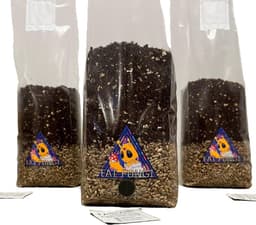
Knowing how to use a mushroom grow kit begins with checking that you actually have a ready, colonised culinary block. This page is for products such as the named Carbeth shiitake kit in the [mushroom culture comparison](/hub/seeds-and-plants/mushroom-culture), not the Fat Fungi bags that still need a culture and not a liquid-culture syringe. On day one, read the enclosed instructions, inspect the block and choose indirect light away from hard sun and a radiator. Open the kit as its species requires, keep the surface moist rather than waterlogged, harvest at the maker's cue and stop if coloured growth or a sour smell appears. A qualifying purchase can earn a commission at no extra cost to you.

Knowing how to use a mushroom grow kit begins with checking that you actually have a ready, colonised culinary block.

Our top picks

On this page

Start only with a block that is already growing

A ready kit arrives with mycelium through its food. It may look white and thread-like, and a shiitake block can develop brown areas as it matures. A bag that says just add spores is different. The £12.99 rye-and-CVG bag and the £14.99 manure bag contain substrate and no culture, so this sequence cannot make them fruit. Check the label for a named culinary species. A collapsed, split or apparently spent block is a seller issue. Photograph it and keep the packaging. Carbeth's file includes a reported crop and two reports of no mushrooms. Read the insert before you open anything. Some oyster kits fruit through a slit. Some shiitake methods remove the bag after the block has matured. If the parcel has no usable instructions, ask the seller. If a syringe or an uninoculated bag arrived, stop. Mushroom kit versus liquid culture explains the difference and does not give inoculation steps.

Give the block indirect light, air and measured moisture

UK kit makers use indirect daylight as a cue. A shelf set back from a window is safer than a hot sill. Keep the block away from a hob and a radiator. Caley Brothers gives roughly 15–24°C for most gourmet species it sells, and Some Funguys about 15–18°C for its oyster kits. Neither range is a Carbeth specification. Mist as the insert says. Caley Brothers advises once or twice daily for its kits, and at least twice daily after a shiitake block is exposed. Those are examples, not a universal schedule. Aim for a lightly moist surface, not a pool. Tip water away if it collects. Soaking restricts air, and a dry block can stop pins. Do not seal a fruiting block in a cupboard unless the product says to keep it enclosed. Rooms are compared in growing mushrooms indoors. Keep the kit away from ready-to-eat food and household sprays.

Treat shiitake as shiitake, not as an oyster kit

Caley Brothers waits for brown nodules of around 1 cm before it removes the bag from its own shiitake block, then mists the block in bright indirect light. Many oyster kits stay in the bag and fruit through a cut. An oyster photograph cannot override the insert with Carbeth's shiitake kit. The Carbeth listing gives no soak duration and no day-by-day schedule. If the surface stays unchanged, send the seller a dated photograph. No listing in this set prints a crop timetable or a gram yield. Another brand's seven-to-ten-day claim cannot be moved onto Carbeth. The £7.49 chicken-of-the-woods culture does not belong here. Its listing describes oak and other deciduous trunks and supplies no ready block.

Harvest, rest or stop

Many makers say harvest when the caps are developed but the edges are still slightly curled. Use the cue for your species. Cook the mushrooms. A second flush may be smaller. Follow the restart instructions. Which? notes a second flush can take two to five weeks in its test, which is not a Carbeth promise. If the block dries out, do not keep it beside food. Merryhill describes healthy mycelium as white, earthy and thread-like, and says brown patches can be normal on shiitake. Green, black, blue, orange or pink growth, a sour smell or slime is different. Isolate the kit, do not eat coloured growth and contact the seller. If anyone eats mould or an unidentified mushroom and feels unwell, use NHS 111, or 999 in a life-threatening emergency.

Common questions

What should I do on day one?
Confirm that the parcel is a named, ready culinary kit, photograph its condition and read the insert before opening anything. Choose a clean position with indirect light away from a radiator and hard sun. If the block looks spent, collapsed or widely discoloured, contact the seller first.
How often should I mist a mushroom kit?
Follow the maker's instructions for that species and design. UK suppliers commonly describe misting once or twice daily, but room conditions differ. Aim for the moist surface the insert describes, not standing water. Tip away pools and do not compensate for a hot radiator by soaking the block.
Does a shiitake kit stay in its bag?
Not always. Caley Brothers waits for brown nodules and then removes the bag from its own shiitake block, while many oyster kits fruit through a slit. The instructions supplied with your kit take priority because brands prepare and package blocks differently.
Is white fluff mould?
White, thread-like growth with an earthy smell is commonly the mushroom's mycelium, and brown areas may be normal on maturing shiitake. Green, black, blue, orange or pink growth, a sour odour or slime is a warning. Isolate the kit and ask the seller rather than eating it.
When should I harvest?
Use the species-specific cue in the insert. Many gourmet-kit makers advise picking when caps are developed but the edges are still slightly curled, before they flatten and shed many spores. No Carbeth harvest day or gram yield is stated in the available listing.
Can I use these steps for a rye bag?
No. The Fat Fungi rye-and-CVG bag says to add spores and is not already a ready fruiting block. This page does not describe inoculation. Buy and follow a lawful named culture system from a supplier that provides complete instructions.

Related pages

Sources

Sources checked for this comparison; last retrieved on 16 October 2026.

  1. GOV.UK, drugs penalties (retrieved 16 October 2026)
  2. Drugs Act 2005, section 21 (retrieved 16 October 2026)
  3. Misuse of Drugs Regulations 2001, regulation 4A (retrieved 16 October 2026)
  4. Woodland Trust, chicken of the woods (retrieved 16 October 2026)
  5. Kew Grow Wild, chicken of the woods (retrieved 16 October 2026)
  6. Food Standards Scotland and the FSA, listeria in imported enoki (retrieved 16 October 2026)
  7. Merryhill Mushrooms, contamination on a growing kit (retrieved 16 October 2026)
  8. amazon.co.uk listings for the four products (retrieved 16 October 2026)