Independent comparisons. We may earn from shop links. More info

All-female cucumber seeds and male flowers

Updated: October 2026

The plant is covered in flowers and you still have no fruit, or the first cucumber tastes bitter. All-female cucumber seeds are a greenhouse contract: the plants are bred to set fruit without pollen, and a male flower can undo that. The same pinch on an outdoor ridge variety can stop the crop, because those plants need the males and the bees. Our [cucumber seeds comparison](/hub/seeds-and-plants/cucumber-seeds) shows which listings print a flower rule. This page is only that rule. We used the listing text and RHS, Suttons, and Gardeners' World guidance, and we did not grow the seed. A qualifying purchase can earn a commission at no extra cost to you.

The plant is covered in flowers and you still have no fruit, or the first cucumber tastes bitter.

Our top picks

On this page

What all-female means on a packet

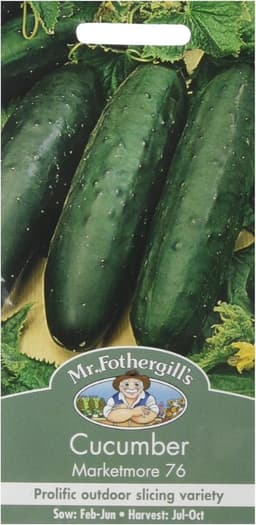
An all-female cucumber is bred so that the flowers are female and the fruit develops without pollination. You do not want pollen on those flowers. The words have to be on your packet. A variety that another retailer calls all-female is not all-female in your hand until this listing or this envelope says so. Socrates F1 is the packet that prints all-female. The bullets say an all-female variety, best in a greenhouse or tunnel, with mini fruit the listing calls bitter-free, at £4.99 for about five seeds, rated 4.4 from 102 reviews. Skip it for an outdoor ridge bed. Telepathy tells you to remove male flowers and does not say all-female. Mini Munch does not print all-female on this amazon.co.uk text. Marketmore 76 does not either. If you are still choosing the place, use the greenhouse versus outdoor page.

Which flower to remove

A female flower has a tiny cucumber behind the yellow bloom. A male flower has a plain stalk and no fruit behind it. On a greenhouse type that must not be pollinated, pinch the males while they are still small, before they open and shed pollen. Telepathy's bullets say to do that to prevent bitterness. On an outdoor ridge type you do the opposite. The RHS Marketmore 70 page says not to remove male flowers. Without those males you get flowers and little fruit. If the packet says neither, do not guess. The buying guide is the check before you are standing over a flowering plant.

Why the fruit turns bitter

Gardeners' World says that growing a ridge variety beside an all-female greenhouse type produces bitter, seedy fruit. One male flower can be enough. Suttons describes a second route: irregular watering and heat stress. An all-female F1 reduces the pollination route. It does not cancel a plant that dried out and then sat in a soaked bag. Do not treat bitterness as proof of cucumber mosaic virus. The RHS says that virus has no chemical cure, and a bitter taste alone is not how you diagnose it. The RHS pet note on all-female cultivar pages treats bitter fruit as toxic if it is eaten. Do not eat a cucumber that tastes bitter. Sowing steps are on the how to sow cucumber seeds page.

If the plants do not match the title

Unwins Burpless Tasty Green is classified as an outdoor cucumber at £1.78, and the bullets do not say all-female. Two written reviews say the plants produced mostly male flowers. That can be normal on a ridge plant, and it is a failed purchase if you wanted an all-female greenhouse type. Leave the males, and buy Socrates if the greenhouse is what you meant. Do not sow a bag with no name. Reports go to planthealth.info@apha.gov.uk. If your packet prints all-female or tells you to remove males, do that and keep ridge plants out. If it is Marketmore, leave the males. If it prints neither, stop pinching until you know which contract you bought.

Common questions

What is an all-female cucumber?
It is a cucumber bred to produce female flowers and to set fruit without being pollinated. You grow it in a greenhouse, polytunnel, or similar cover, and you keep male flowers and ridge plants away so the fruit does not turn bitter. In this set, Socrates F1 is the listing that prints all-female, at £4.99 for about five seeds. Telepathy tells you to remove males and does not use the words all-female. Mini Munch does not print the claim.
How do I tell a male flower from a female flower?
Look behind the bloom. A female flower has a tiny cucumber already forming. A male flower is on a plain thin stalk with no swelling. On a greenhouse type that must stay unpollinated, pinch the males before they open. On a ridge type such as Marketmore, those plain-stalked flowers are the pollen source the crop needs. Check more than one flower, because ridge plants often open males first.
Should I remove male flowers on Marketmore?
No. Marketmore 76 is an outdoor ridge cucumber, and the RHS Marketmore 70 guidance is to keep the male flowers. Insects have to pollinate it. Removing the males is the instruction for a greenhouse type such as Telepathy, and it is the wrong instruction here. You may grow Marketmore under glass according to the RHS Marketmore page, and you still should not put it beside an all-female plant such as Socrates.
Can one male flower make the crop bitter?
Yes. Pollen from a single male flower can fertilise female flowers on a greenhouse cucumber that is meant to fruit without pollination. Gardeners' World warns that a ridge plant in the same house as an all-female type leads to bitter, seedy fruit. Remove males early on the greenhouse type, and do not grow the ridge variety beside it. This is separate from bitterness caused by water stress or heat.
Is bitter fruit safe to eat?
Do not eat it. The RHS notes on all-female cultivar pages treat bitter cucumber as toxic if eaten, including a warning about pets. That is a reason to discard a bitter fruit, not a claim that every cucumber in a normal crop is dangerous. A mild fruit from a plant that also produced one bitter cucumber is a different case from eating the bitter one. If the whole crop tastes bitter, stop using it and check whether a ridge plant shared the greenhouse.

Related pages

Sources

Public UK sources used for sowing, flower rules and seed marketing. Last checked on 16 October 2026.

  1. RHS, How to grow cucumbers (retrieved 16 October 2026)
  2. Gardeners' World, How to grow cucumbers (retrieved 16 October 2026)
  3. The Seed Marketing Regulations 2011 (retrieved 16 October 2026)
  4. GOV.UK, Apply to have seeds certified for marketing in England and Wales (retrieved 16 October 2026)
  5. RHS, Cucumis sativus Socrates (retrieved 16 October 2026)
  6. RHS, Cucumis sativus Marketmore (retrieved 16 October 2026)
  7. Suttons, How to avoid bitter cucumbers (retrieved 16 October 2026)
  8. RHS, Cucumber mosaic virus (retrieved 16 October 2026)