Independent comparisons. We may earn from shop links. More info

How to use a salt chlorinator

Updated: 21 October 2026

The bag is open, the water looks ready, and the quickest place to tip the salt is the skimmer. That is the mistake that produces a day-one alarm. How to use a salt chlorinator is an order: the right salt, a dose for your volume, the cell off until the crystals have gone, then a free-chlorine test and a pH test you read yourself. The machine does not hold the residual. The listings and prices are on [Salt chlorinator](/hub/pool-care/salt-chlorinator). A qualifying purchase can earn a commission at no extra cost to you. Figures below are from those amazon.co.uk listings on 19 October 2026, not from a lab test.

The bag is open, the water looks ready, and the quickest place to tip the salt is the skimmer. That is the mistake that produces a day-one alarm.

Our top picks

Intex Intex CG-26664

Best overall

Intex Intex CG-26664
7.2/10about £118.56
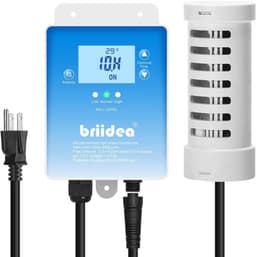
Briidea Briidea BR-159

Alternative

Briidea Briidea BR-159
6.3/10about £169.89
Intex Intex 26670

Rank 3

Intex Intex 26670
8.1/10about £301.32
On this page

Salt the manual allows

Buy pool salt, not table salt. BS EN 16401:2013 covers sodium chloride for electrochlorinator systems. Intex's manual wants at least 99.4% NaCl, not iodised salt and not salt with anti-caking agent E535. The 26670 listing states 2.5–3.5 g/L. The window for the unit you buy is the salt chlorinator buying guide. Drop-in listings do not state grams per litre.

How much, and where it goes

One gram per litre is one kilogram per cubic metre. At about 3 kg per cubic metre, a 10 m³ pool from unsalted water wants about 30 kg. Test what is already dissolved first. Put the salt in the pool, with the pump on and the cell off. Do not pour it through the skimmer. Brush until you cannot see the grains.
Intex Intex CG-26664

Testsieger

Intex Intex CG-26664
7.2/10about £118.56

When the cell may start

Intex's salt chapter wants about 24 hours of circulation, then a retest, before the cell runs. If your manual names a different wait, use that wait. A low-salt light with a strip already inside 2.5–3.5 g/L is not an order for another 10 kg. Too much salt is fixed by a partial drain and a refill, not by running the cell harder.

What you still test

The QS400 manual says the owner keeps free chlorine about 1.0–3.0 ppm. The machine does not read it. You change the residual by changing hours. PWTAG's note says that at pH 7.5 only about half of a free-chlorine reading is the active form. That note is for managed pools. These cells still push pH up, and none of the seven doses acid.

Where a professional takes over

You can add the salt and set a timer. You should not redesign the electrics. The QS400 manual wants an RCD not exceeding 30 mA and no converter plug. Call an electrician for a lead that is not BS 1363. Which unit you should have bought is best salt chlorinator UK. The hose loop is salt chlorinator above ground pool.

Common questions

What salt do I buy in the UK?
Pool-grade sodium chloride for an electrochlorinator, at least 99.4% NaCl to BS EN 16401, which is the Intex manual's line. Not iodised table salt, and not salt with anti-caking agent E535. A bag that only says salt does not meet that line. The percentage has to be on the sack you are holding.
How much salt does a pool need?
Test what is already dissolved, then make up the gap. For the Intex 26670 listing the window is 2.5–3.5 g/L, about 3 kg per cubic metre. A 10 m³ pool from unsalted water is about 30 kg at 3 g/L. One gram per litre equals one kilogram per cubic metre. The drop-in listings do not state grams per litre, so this sum is not their dose.
Do I start the cell the same day I add the salt?
No. Keep the cell off and the pump on, brush the crystals out, and retest before the cell runs. Intex's salt chapter uses about 24 hours of circulation. Starting on a heap that has not dissolved is how a low-salt alarm appears on a pool you have just salted. If your manual names a different wait, use that wait.
What do I test after the salt has dissolved?
Salt, free chlorine and pH. The QS400 manual puts free chlorine about 1.0–3.0 ppm on the owner, because the machine does not read it. Set the hours from that test. At pH 7.5, PWTAG's note says only about half of a free-chlorine reading is the active form. That note is for managed pools. You still adjust pH, because none of these units doses acid.
Why is the pH climbing?
The cell makes hypochlorite-type chlorine, and that dosing lifts pH. It is the chemistry, not a sign that the salt was wrong. None of the seven units includes an acid pump. You add the acid your manual allows, then retest. Leaving pH high makes the same free-chlorine number less active. Do not chase pH by adding more salt.
The alarm says low salt but the strips look fine. What is the first check?
Retest with a method that is not the cell's sensor, and look for scale. Intex 26670 reviews describe salt alarms, and hard-water owners describe acid soaks. A light that disagrees with a strip is not an order for another 10 kg. Adding salt on a false alarm is how you finish above the window. Clean first if the manual gives you that step.
Can I fix high salt without draining some water?
No. Running the cell does not bring the excess back down. The deliberate fix is a partial drain and a refill, then another salt test. Intex's wording associates a salty taste with levels above about 3,500–4,000 ppm on that manual. Dilute first. Do not turn the output up.

Related pages

Sources

Public UK and manufacturer sources used for this page in October 2026. Shelf prices and star lines are the amazon.co.uk figures for these seven listings.

  1. Hayward UK salt chlorinator configurator (retrieved 19 October 2026)
  2. Bayrol: how a salt chlorinator works (retrieved 19 October 2026)
  3. BSI BS EN 16401:2013 sodium chloride for electrochlorinators (retrieved 19 October 2026)
  4. Intex QS400 saltwater system manual (retrieved 19 October 2026)
  5. Intex hose sizes and connections (retrieved 19 October 2026)
  6. NAPIT: BS 7671 Section 702 swimming pools (retrieved 19 October 2026)
  7. HSE: swimming pools (retrieved 19 October 2026)
  8. PWTAG TN60: free chlorine and pH (retrieved 19 October 2026)